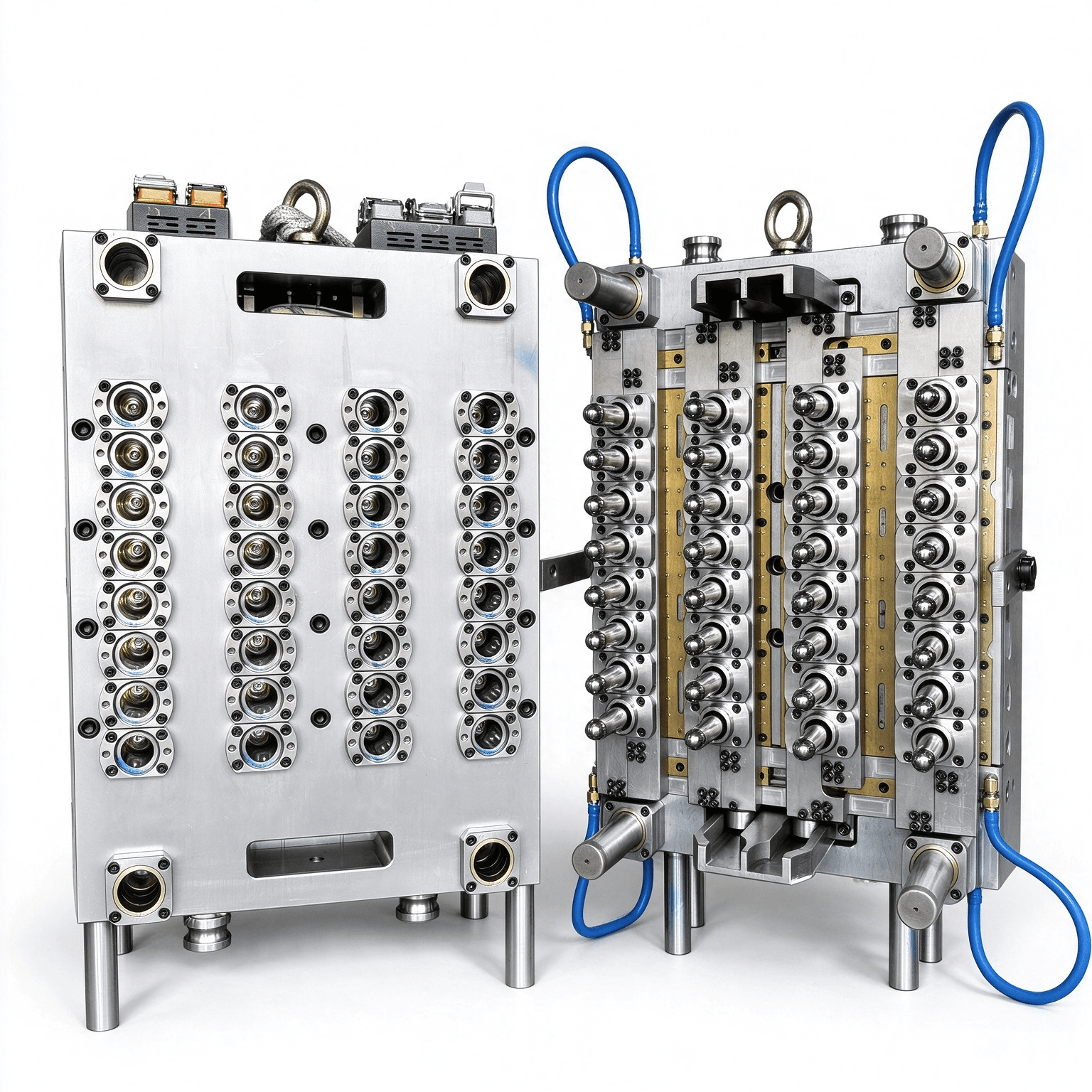
PET Preform Mould Parting Line and Flash Control: A Buyer Validation Guide
Define PET preform mould parting-line and flash acceptance with drawings, cavity sampling, trial records and corrective-action evidence.
Read guide
Define PET preform mould parting-line and flash acceptance with drawings, cavity sampling, trial records and corrective-action evidence.
Read guide
Define wall-distribution targets, sample checks, stretch-blow transfer conditions and acceptance evidence before approving a PET preform mould.
Read guide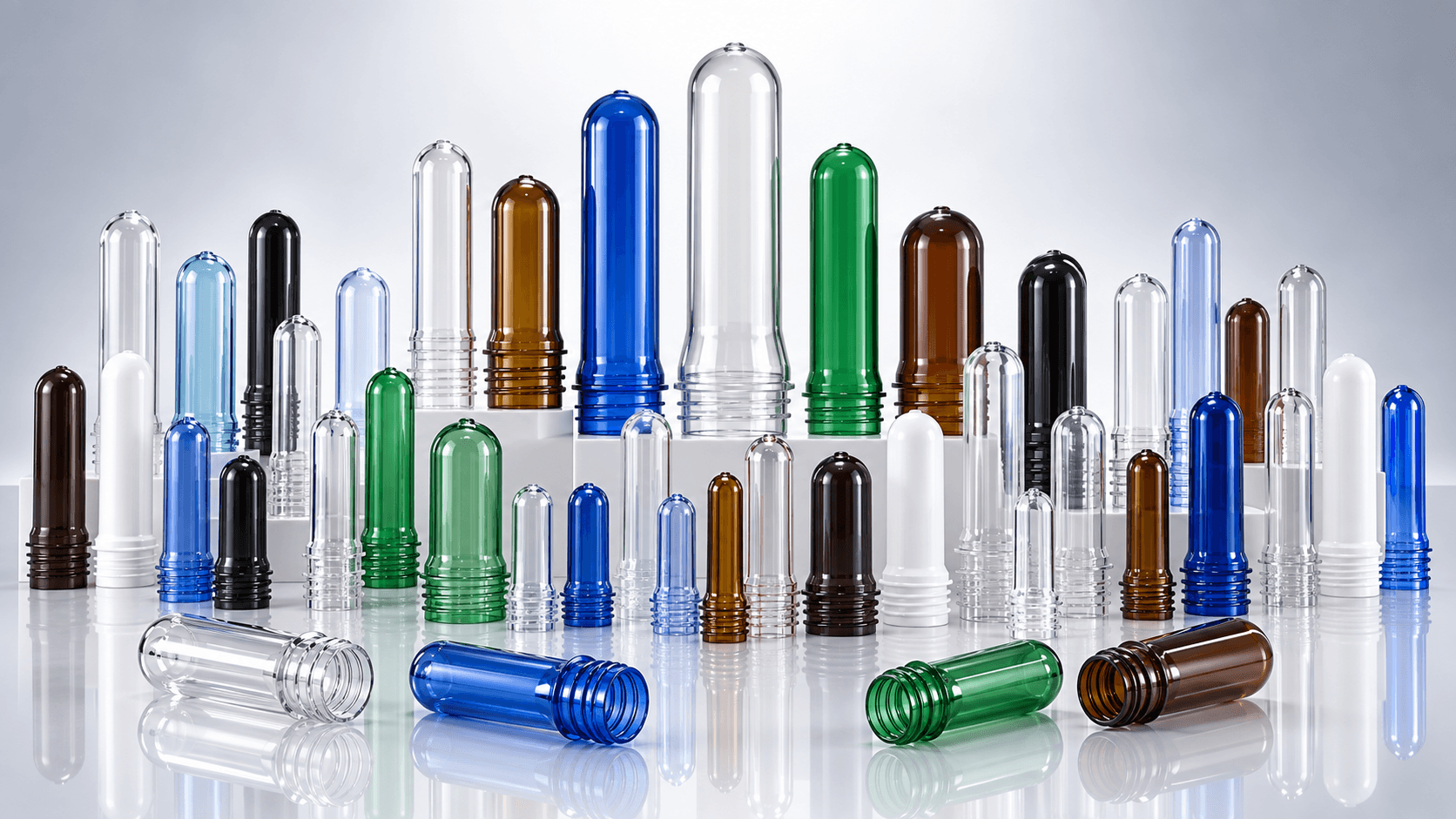
Define PET resin drying, moisture evidence, trial controls and factory handover requirements before accepting a PET preform mould.
Read guide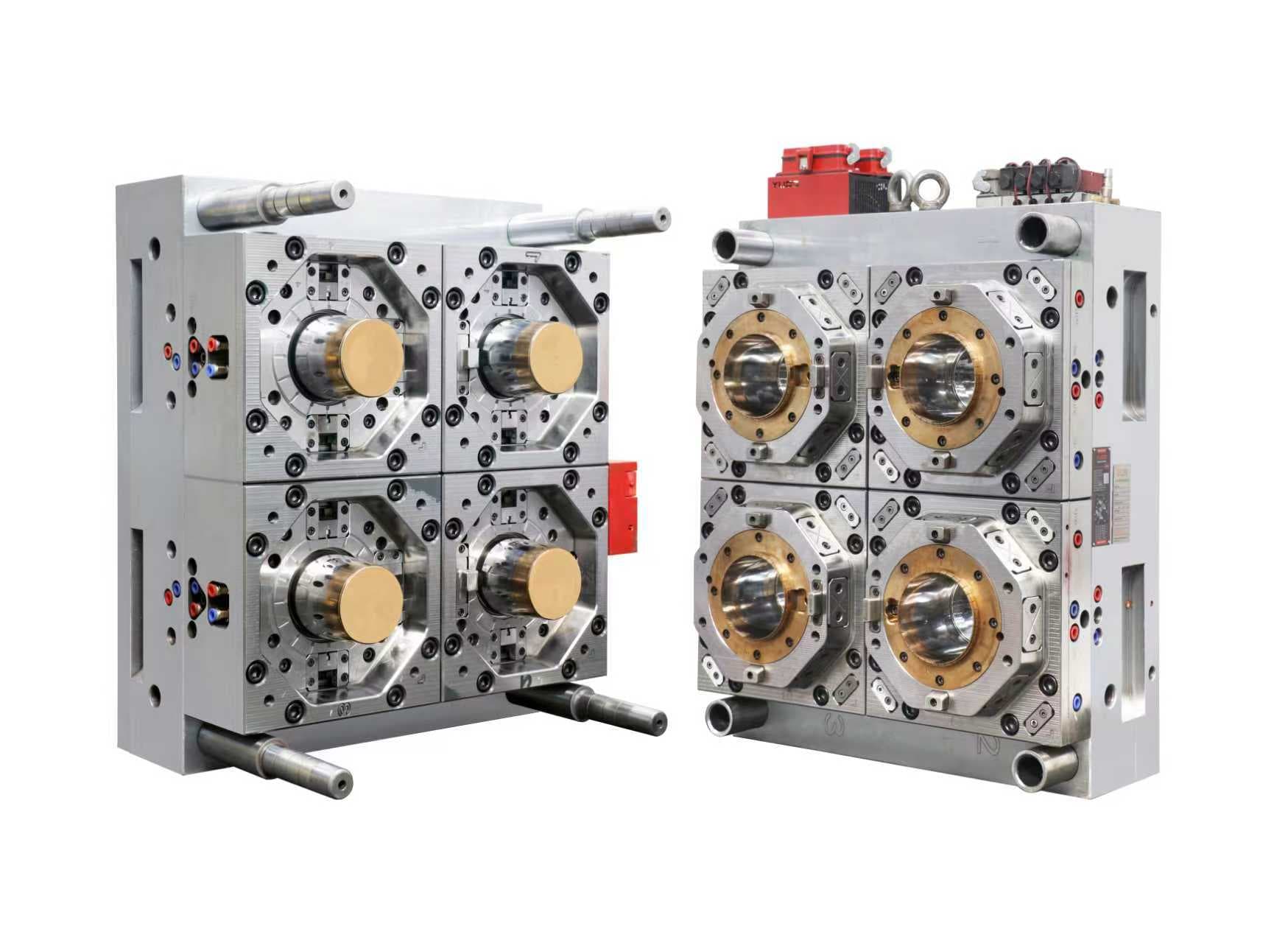
Define acetaldehyde risk, trial conditions, cavity sampling and handover evidence before accepting a PET preform mould for sensitive beverage applications.
Read guide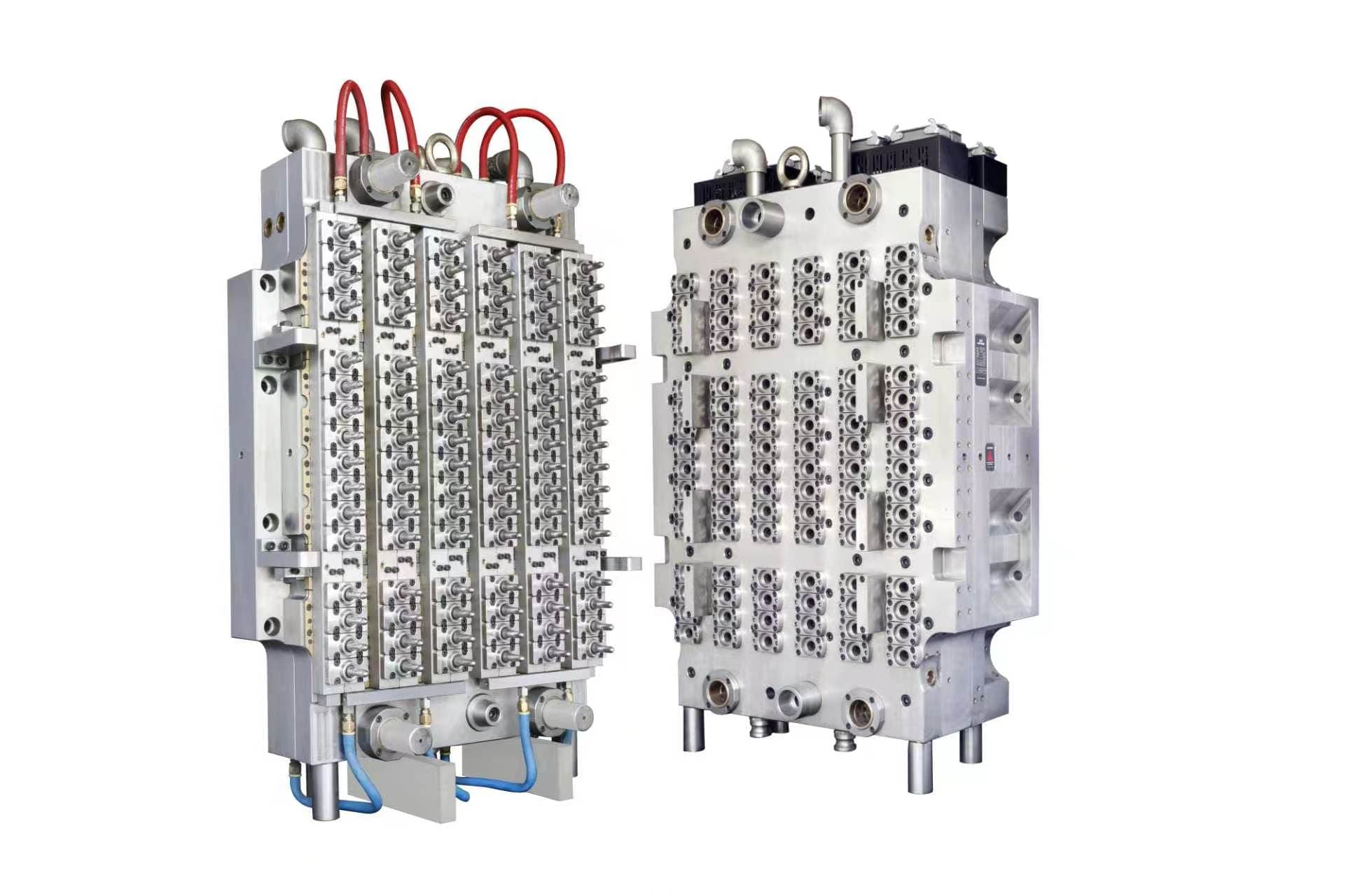
Define PET regrind boundaries, material traceability, cavity sampling and factory evidence before accepting a preform mould for production.
Read guide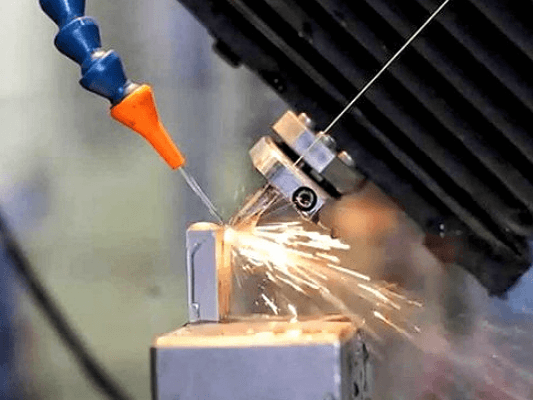
Define gate strategy, weld-line acceptance, cavity sampling and trial evidence before accepting a plastic bucket mould for production.
Read guide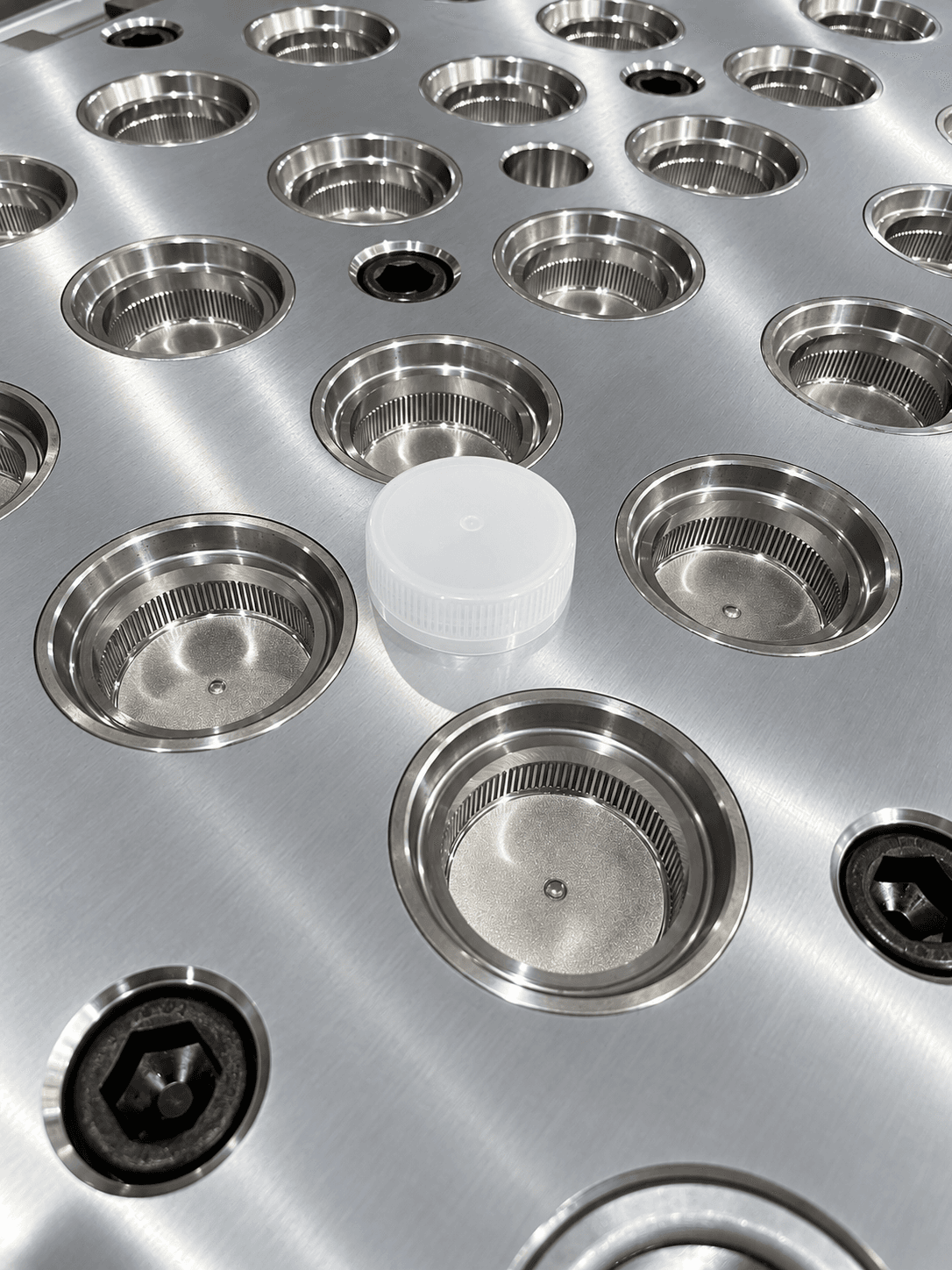
Define cap-mould venting, gas-burn inspection, cavity traceability and corrective-action evidence before accepting production tooling.
Read guide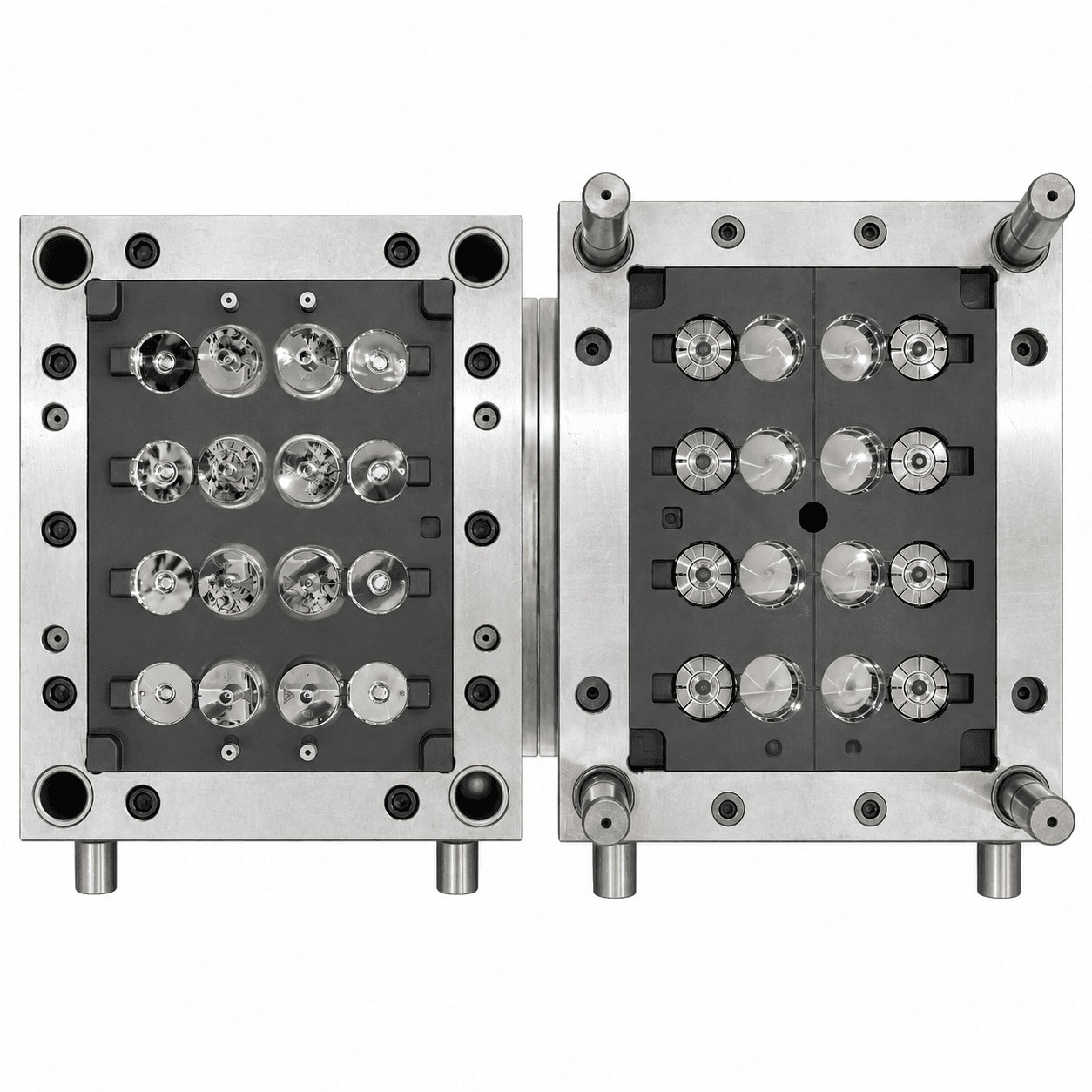
Specify colour-change ownership, purging boundaries, cavity checks and restart evidence before approving a plastic cap mould production plan.
Read guide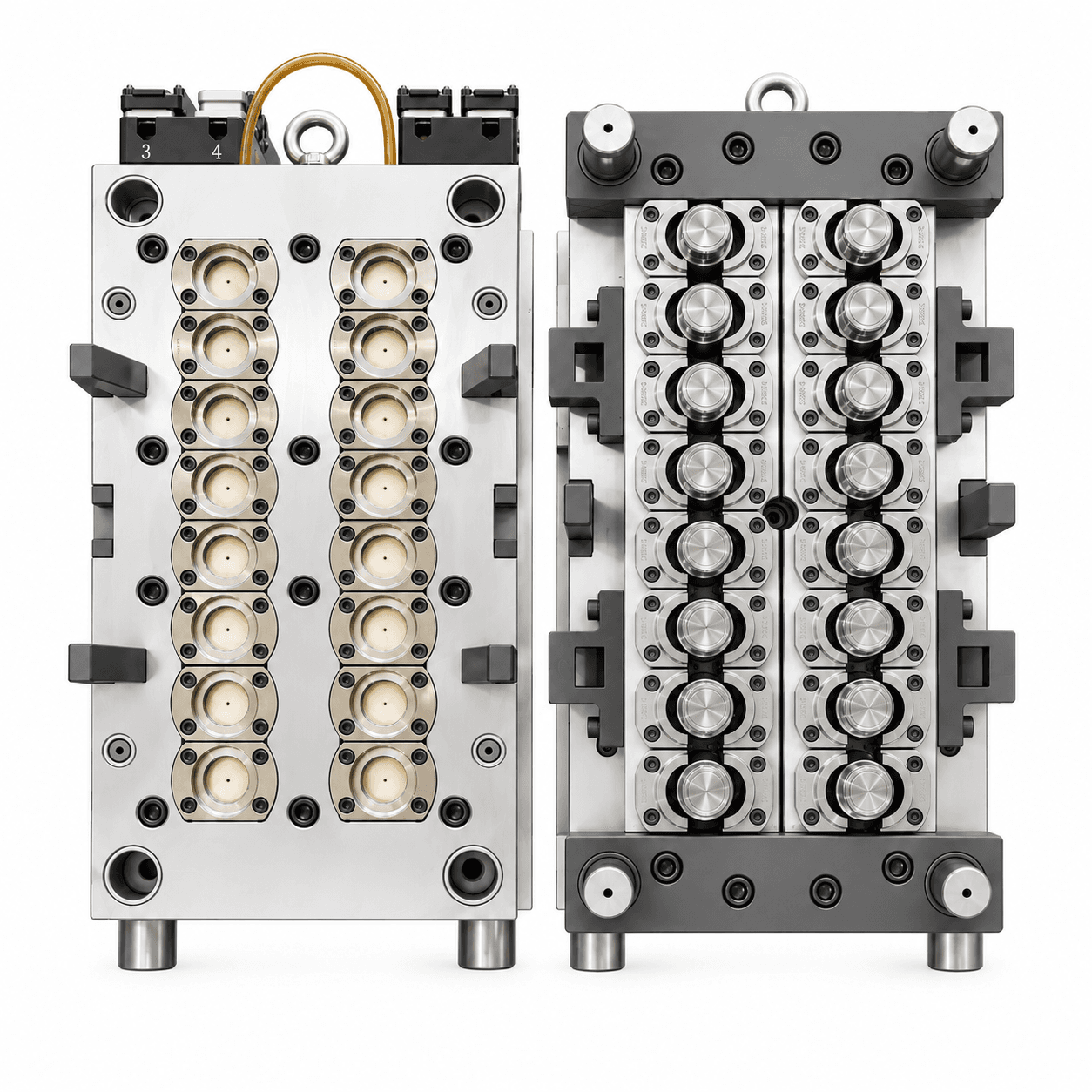
Define closure drawings, capping conditions, torque-retention evidence and leakage boundaries before accepting a plastic cap mould.
Read guide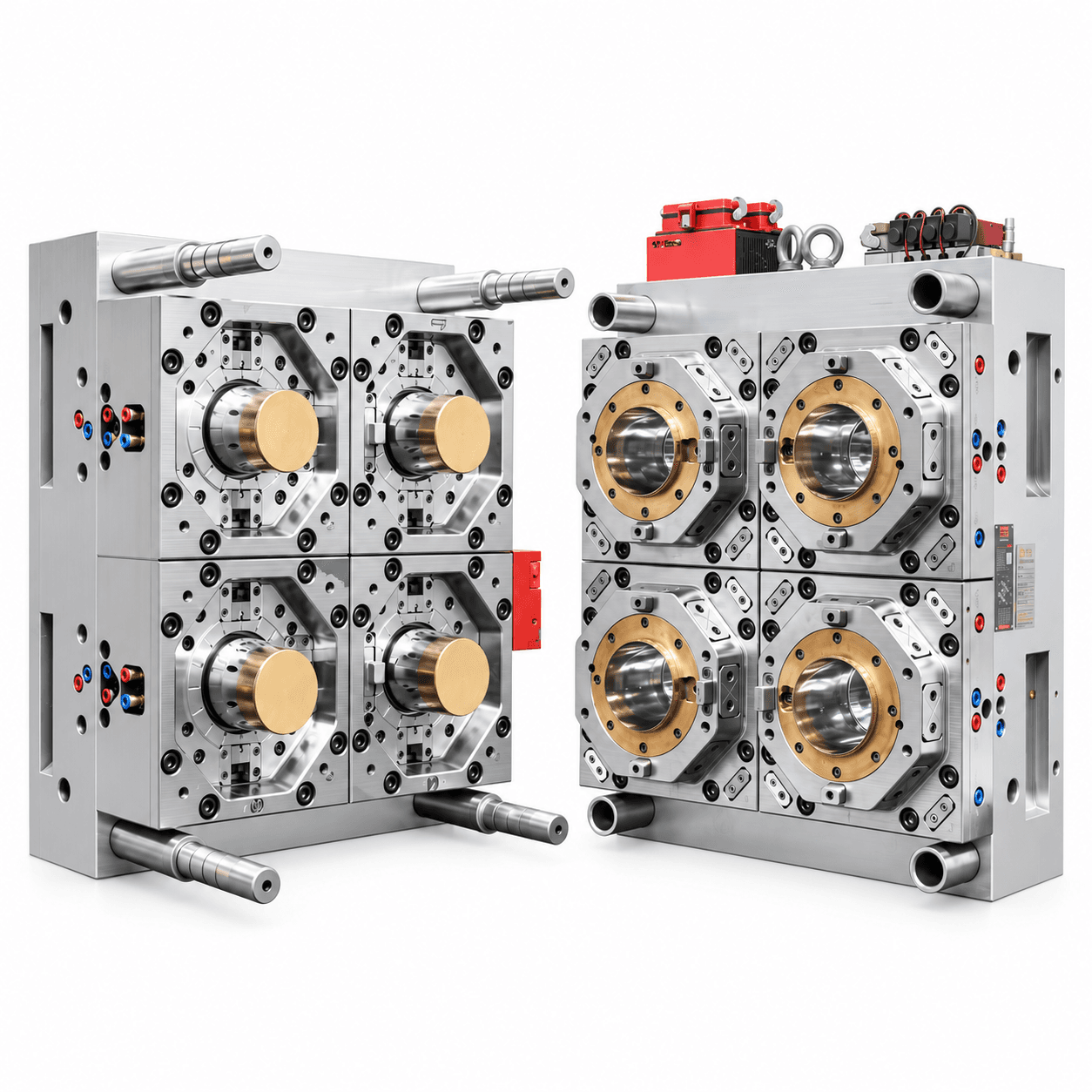
Specify bucket wall-thickness maps, dimensional checks, warpage evidence and stable FAT sampling before accepting a plastic pail mould.
Read guide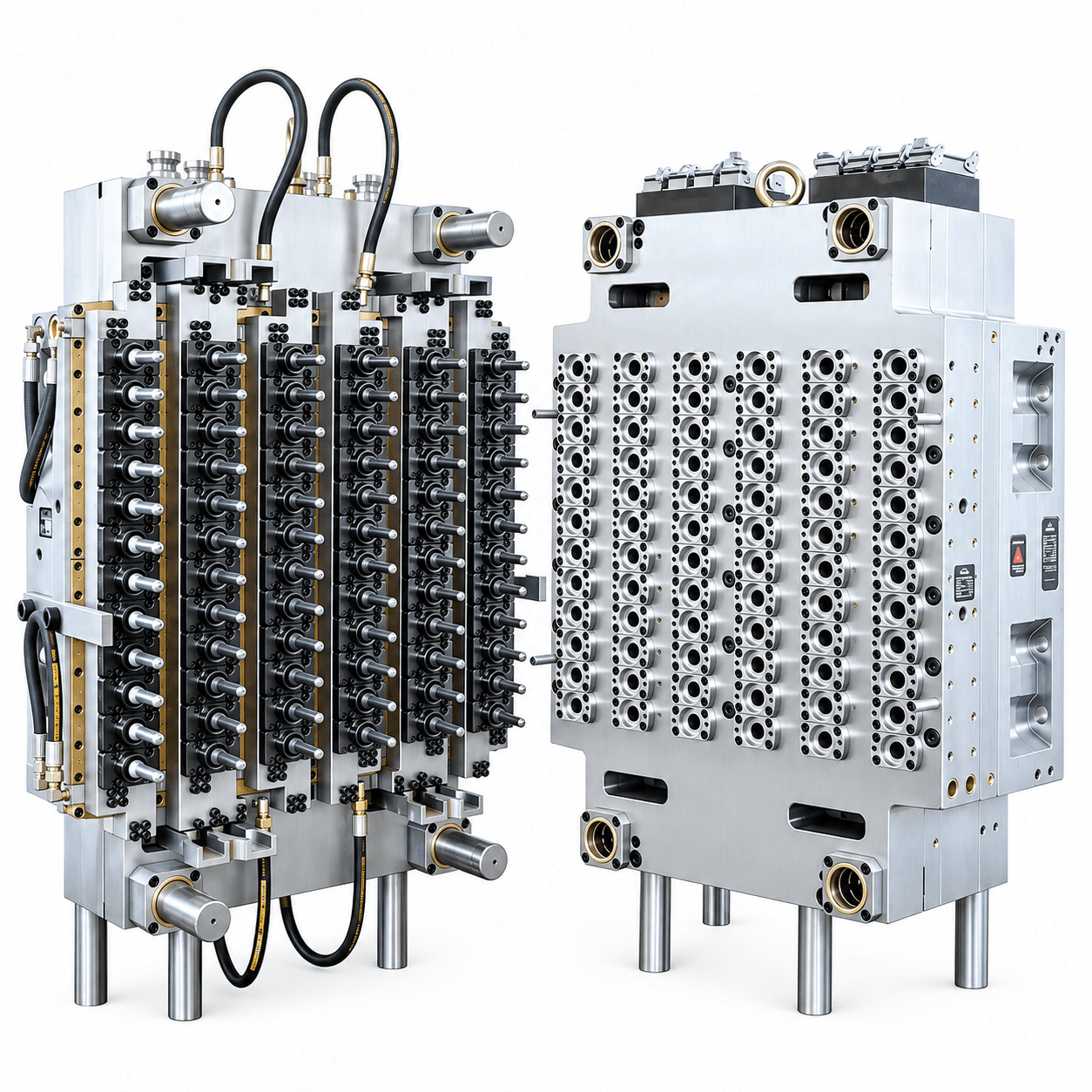
Specify PET preform mould SKU conversions, tooling interfaces, FAT evidence and site restart before accepting a changeover proposal.
Read guide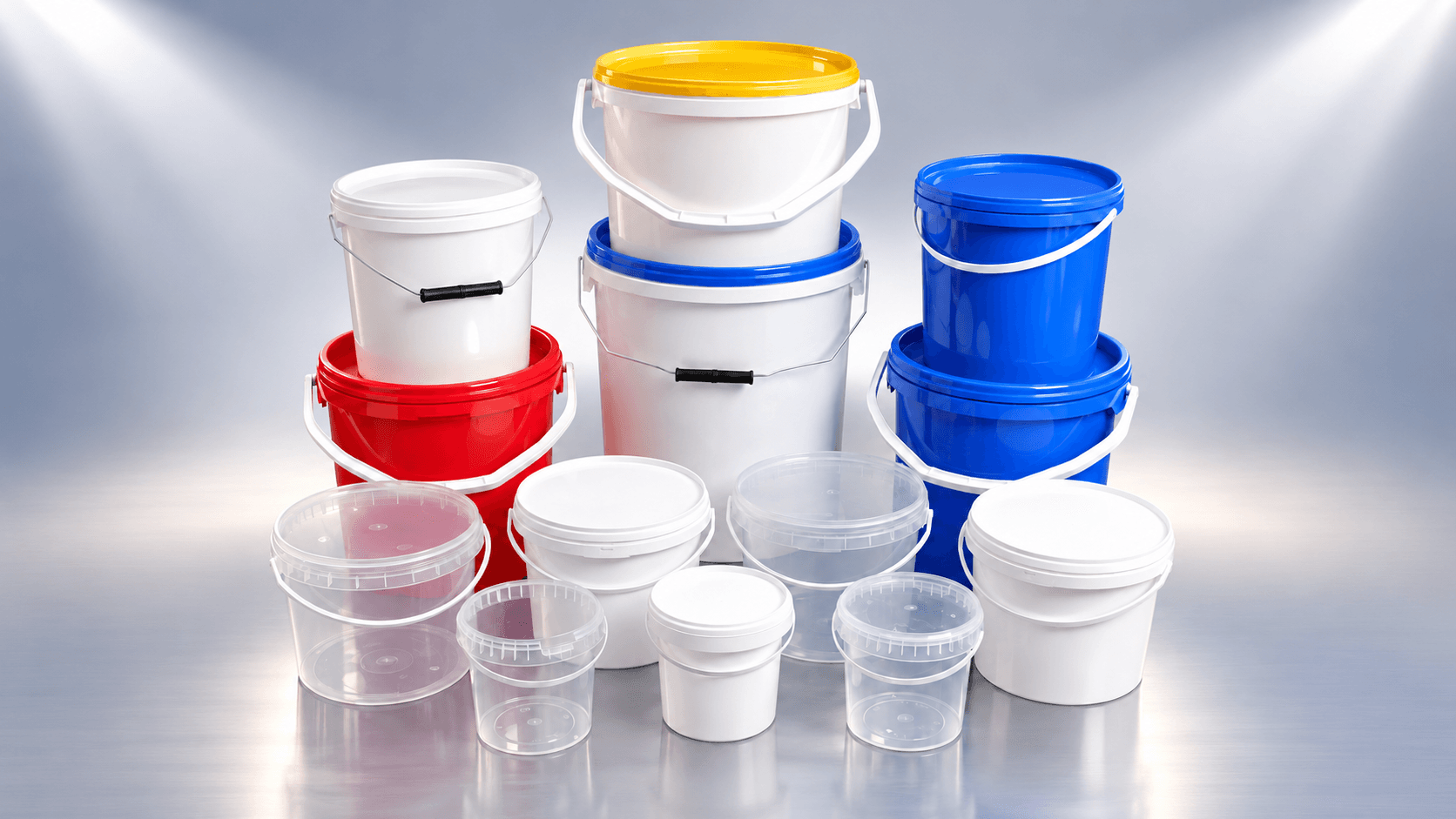
Specify bucket handle, lug and assembly acceptance around filled mass, handling conditions, cavity sampling, factory trials and site qualification.
Read guide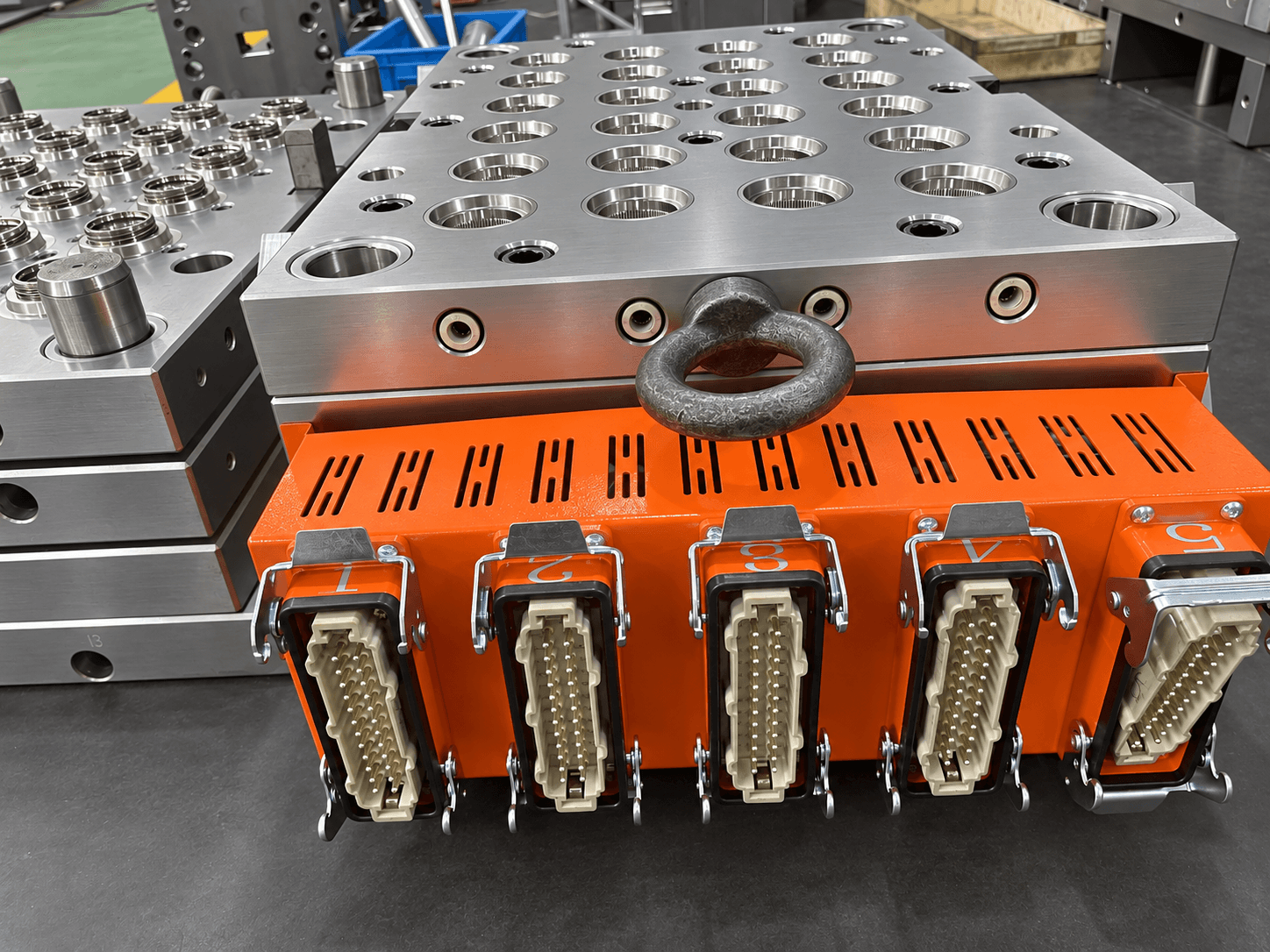
Define mould cooling-water circuits, water quality responsibilities, flow evidence and site handover before buying packaging tooling.
Read guide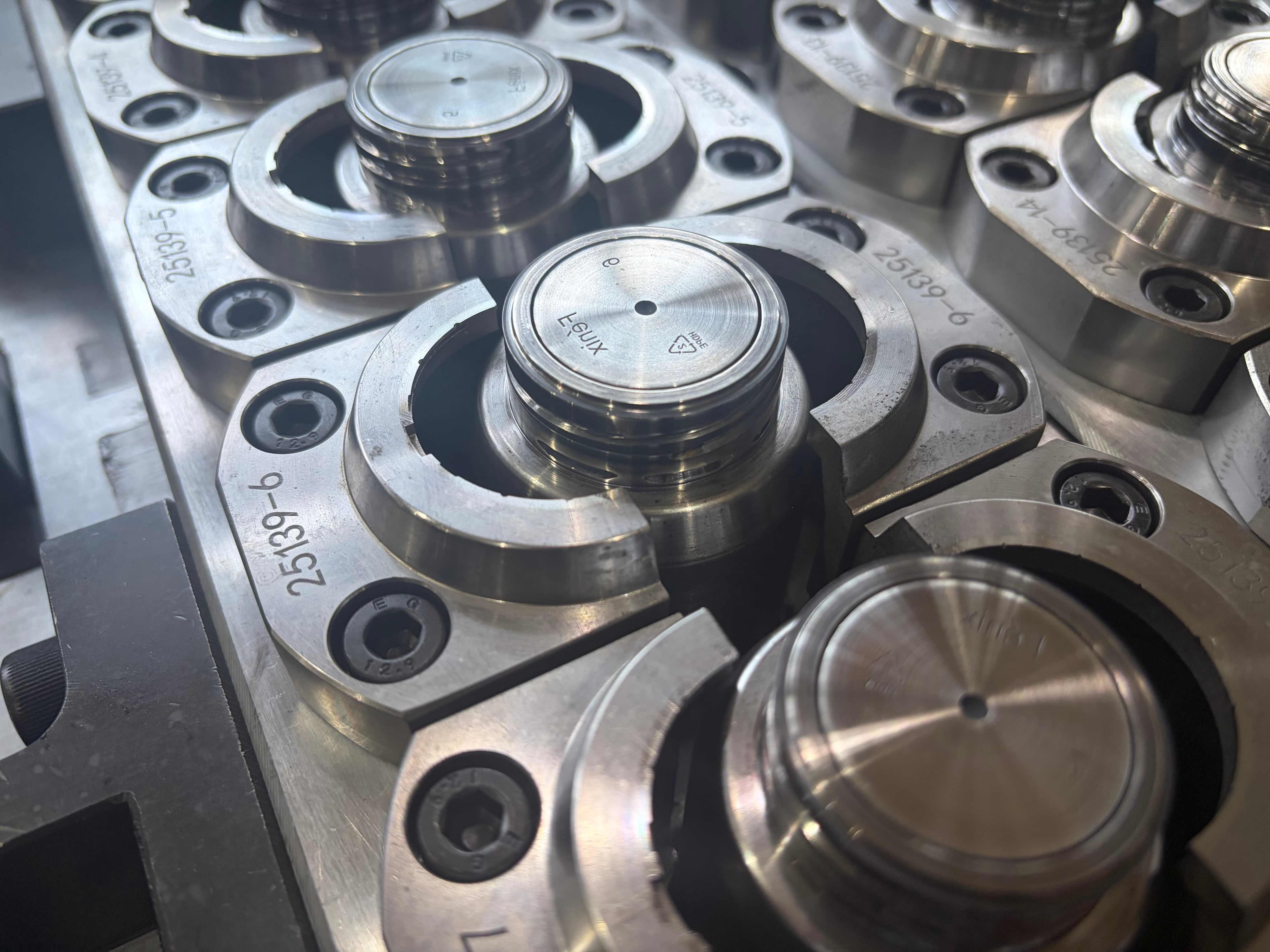
Specify cap mould ejection, release quality and factory acceptance across cavities before approving production tooling.
Read guide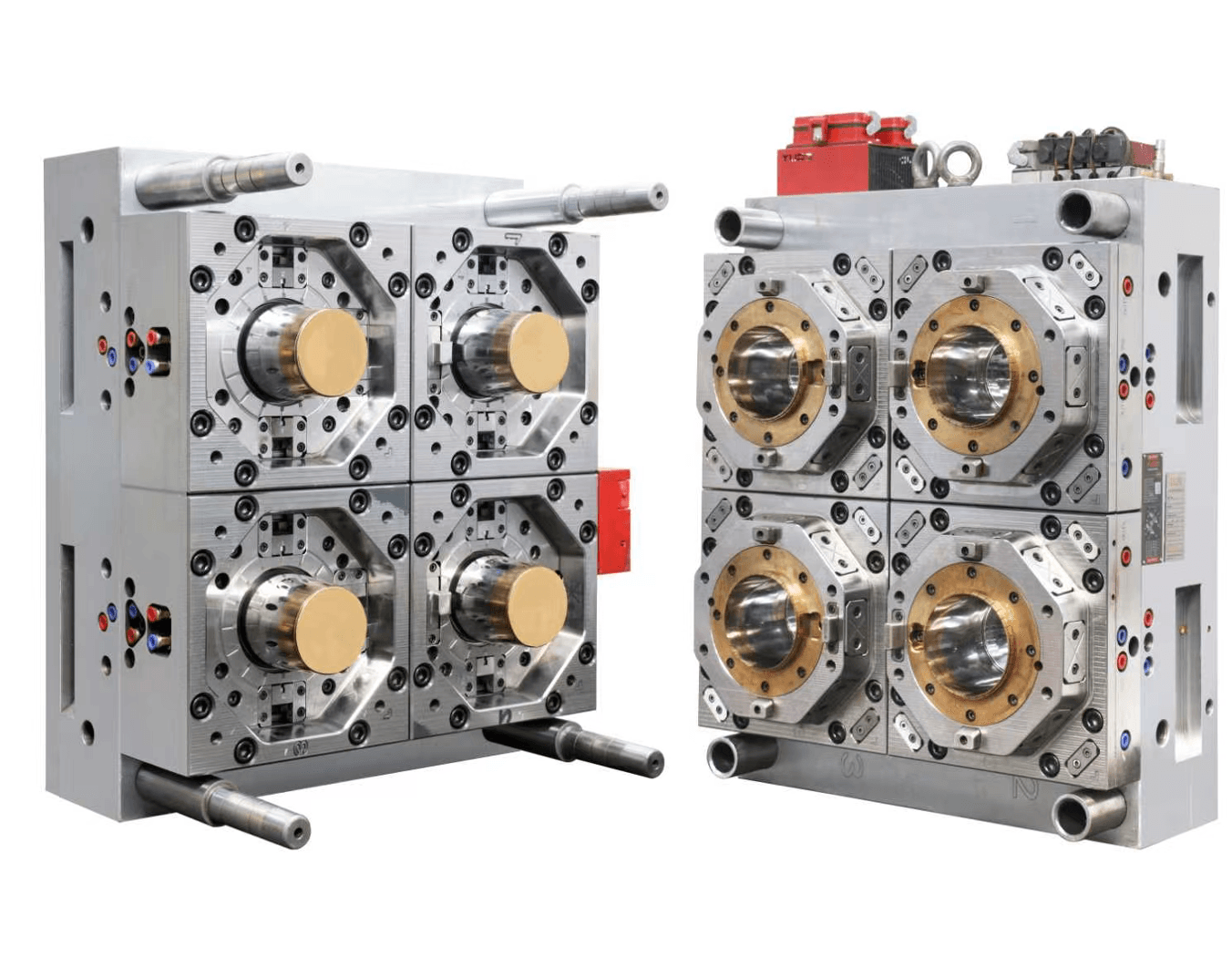
Plan bucket and lid mould validation around rim fit, sealing, stack load, sample traceability, factory acceptance and site commissioning.
Read guide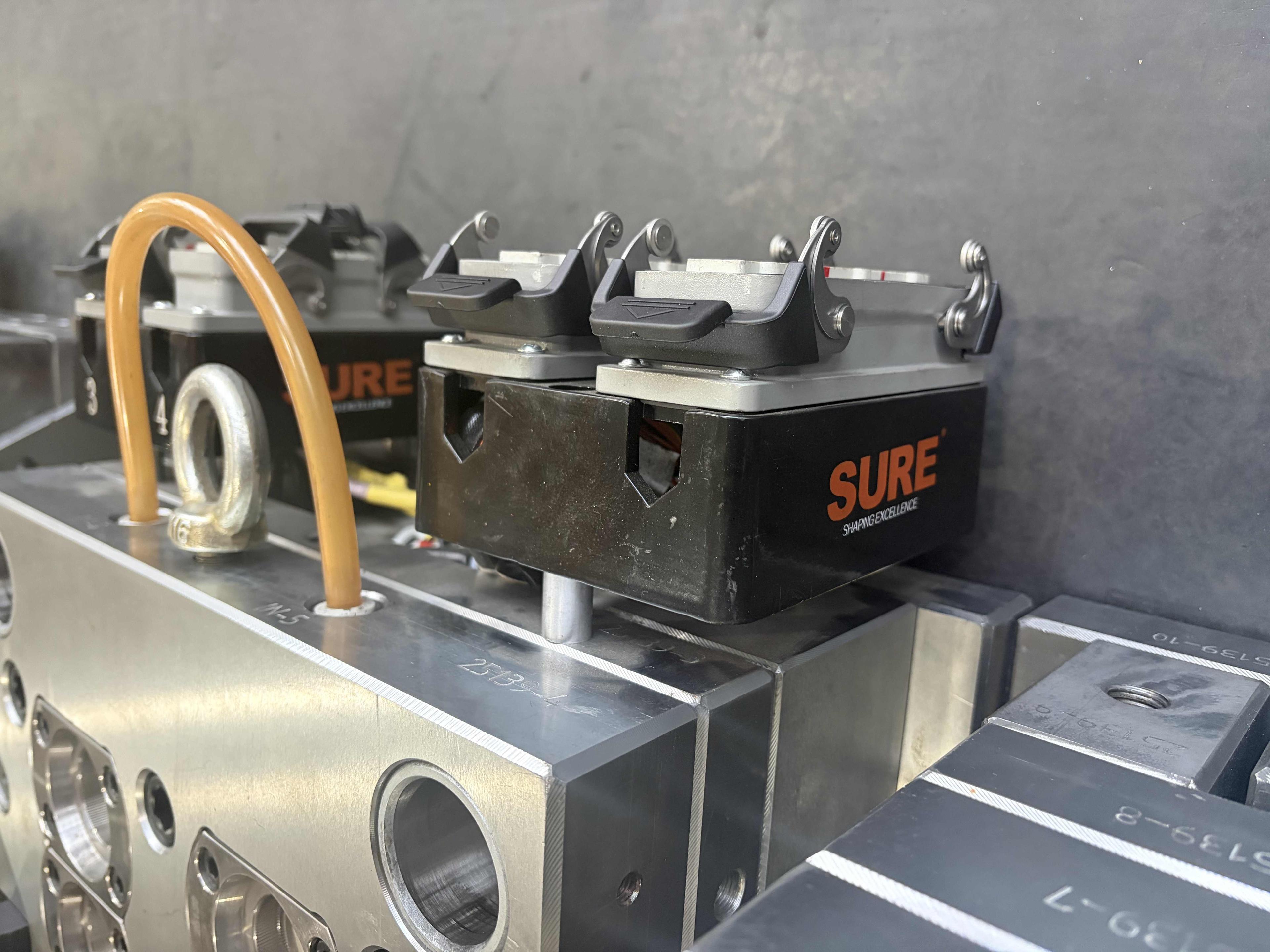
Plan drawings, mould trials, bottle fit, inspection and commissioning for tamper-evident plastic cap mould projects.
Read guide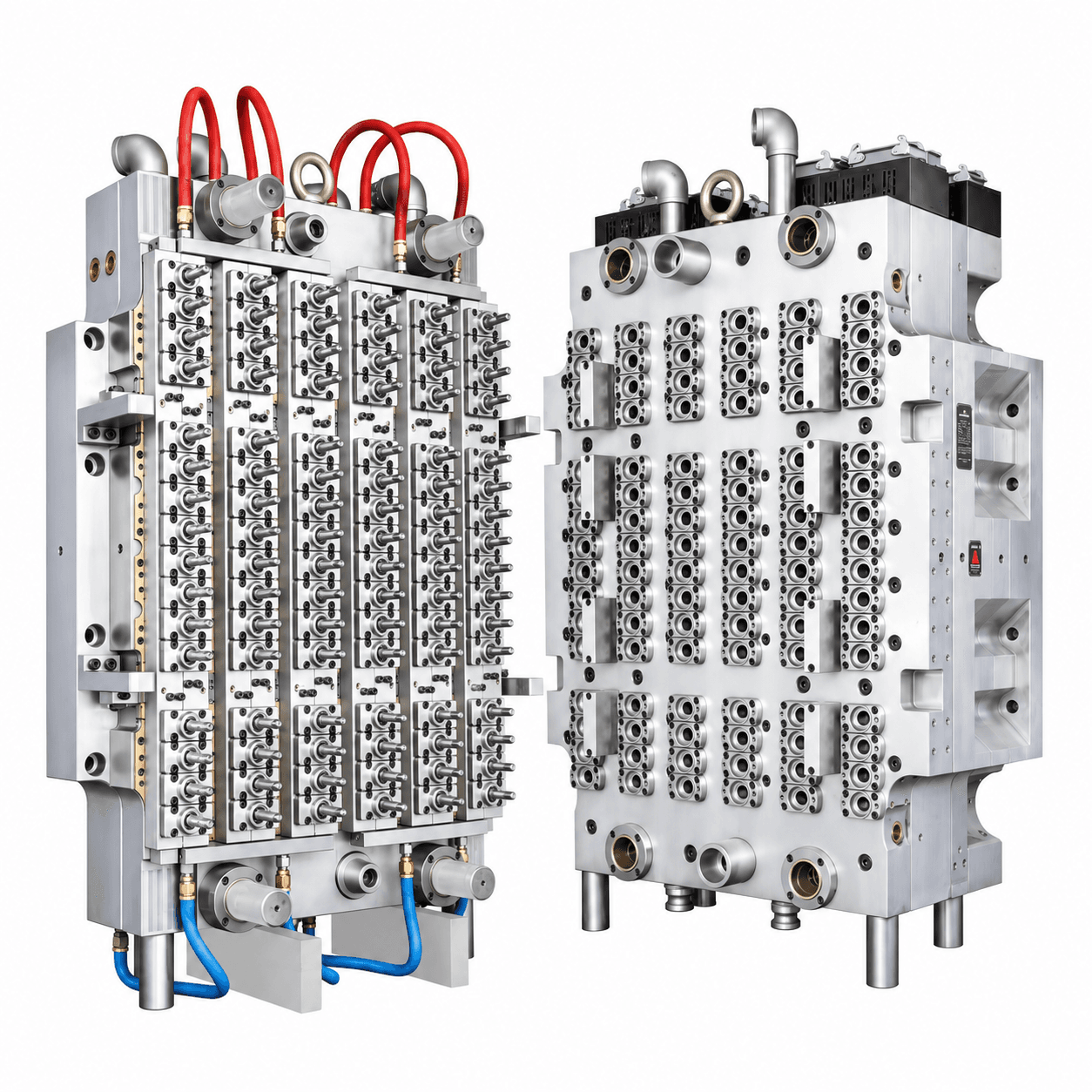
Specify PET preform mould venting and gate-quality requirements with practical design-review, factory-test and installation checks.
Read guide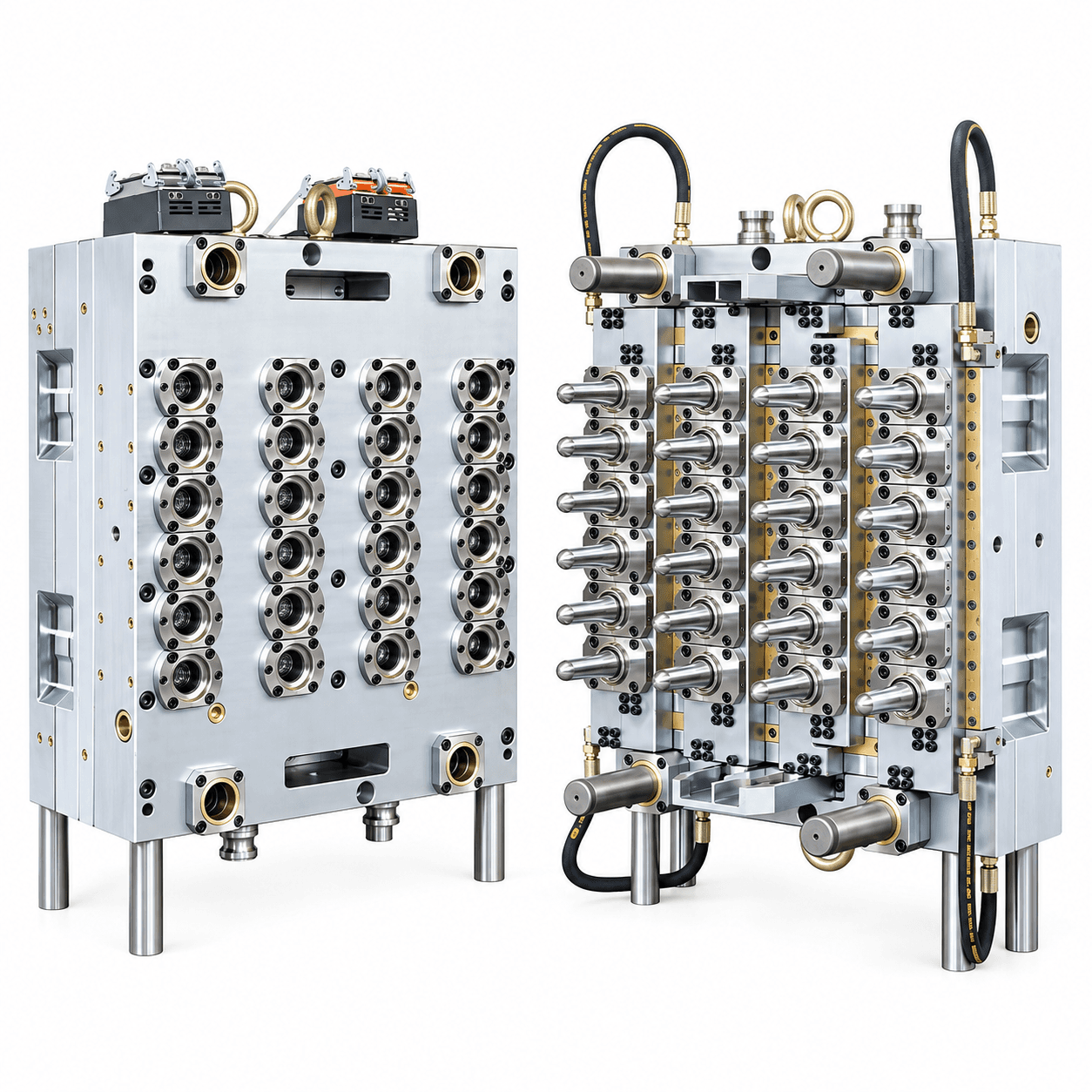
Specify a traceable FAT for multi-cavity PET preform moulds, including cavity identification, sampling, balance evidence and shipment preparation.
Read guide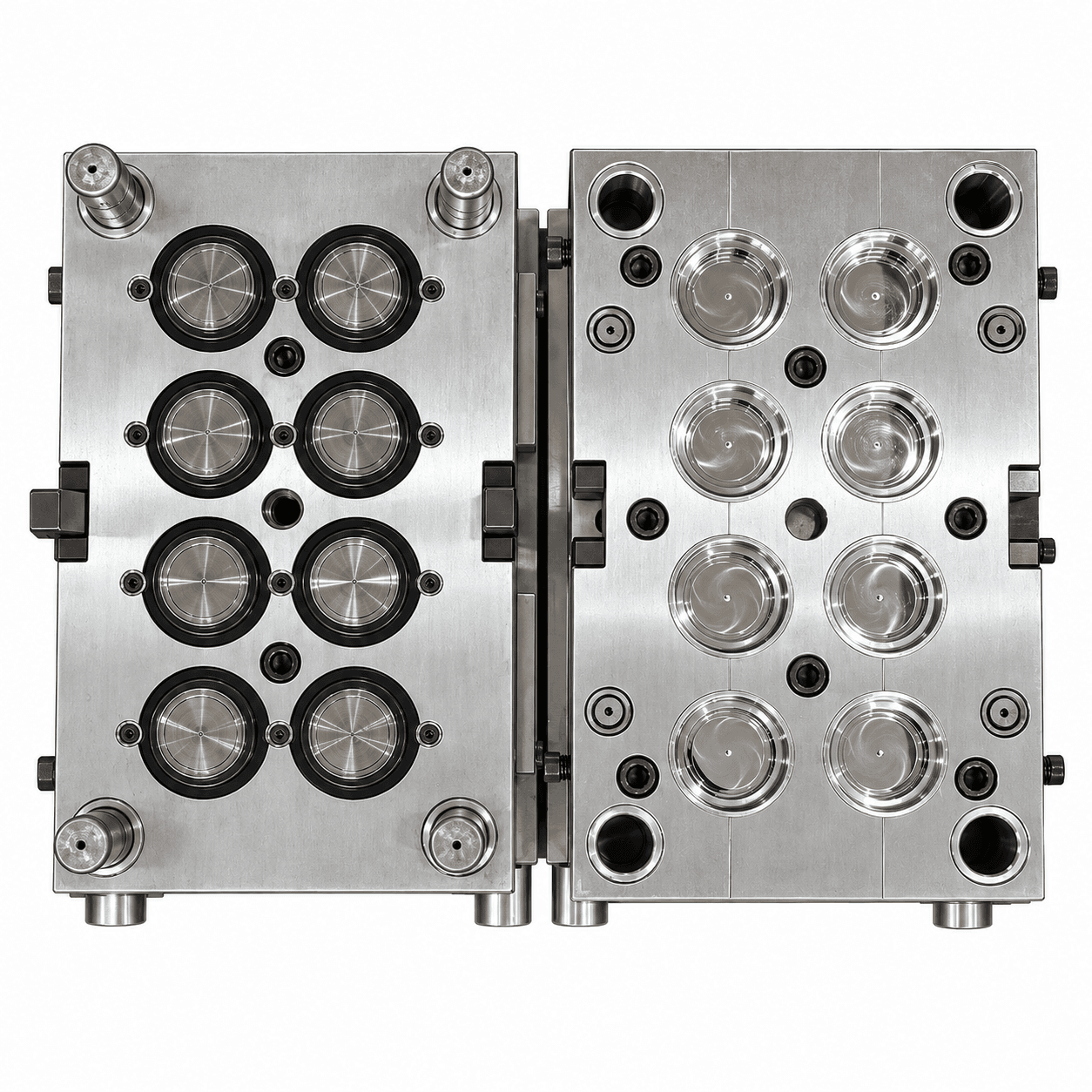
Evaluate cap mould cycle-time and output proposals through cooling, ejection, machine fit, trial evidence and installation preparation.
Read guide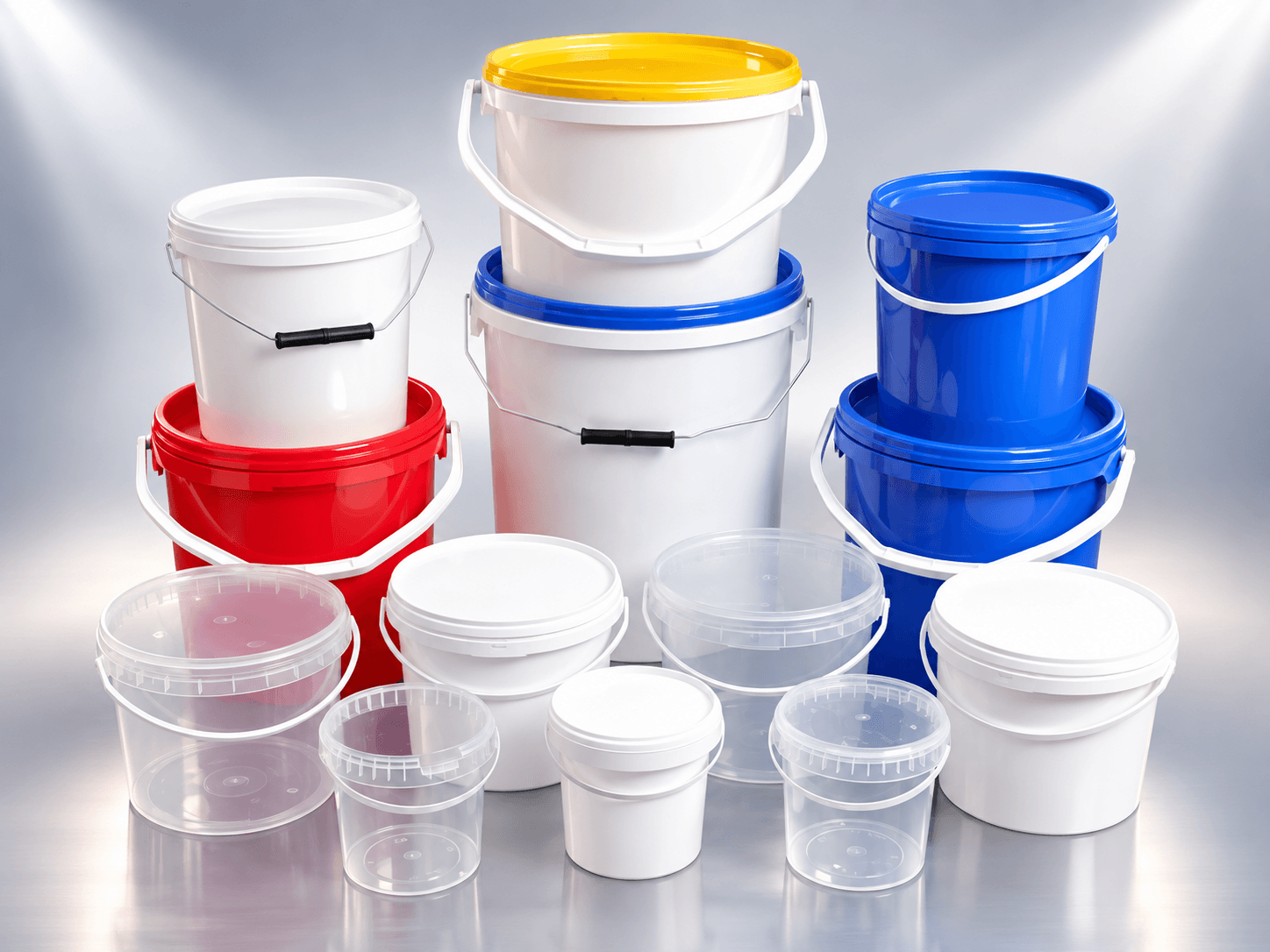
Prepare an IML bucket mould project by aligning label, mould, robot, static control, factory acceptance and installation requirements.
Read guide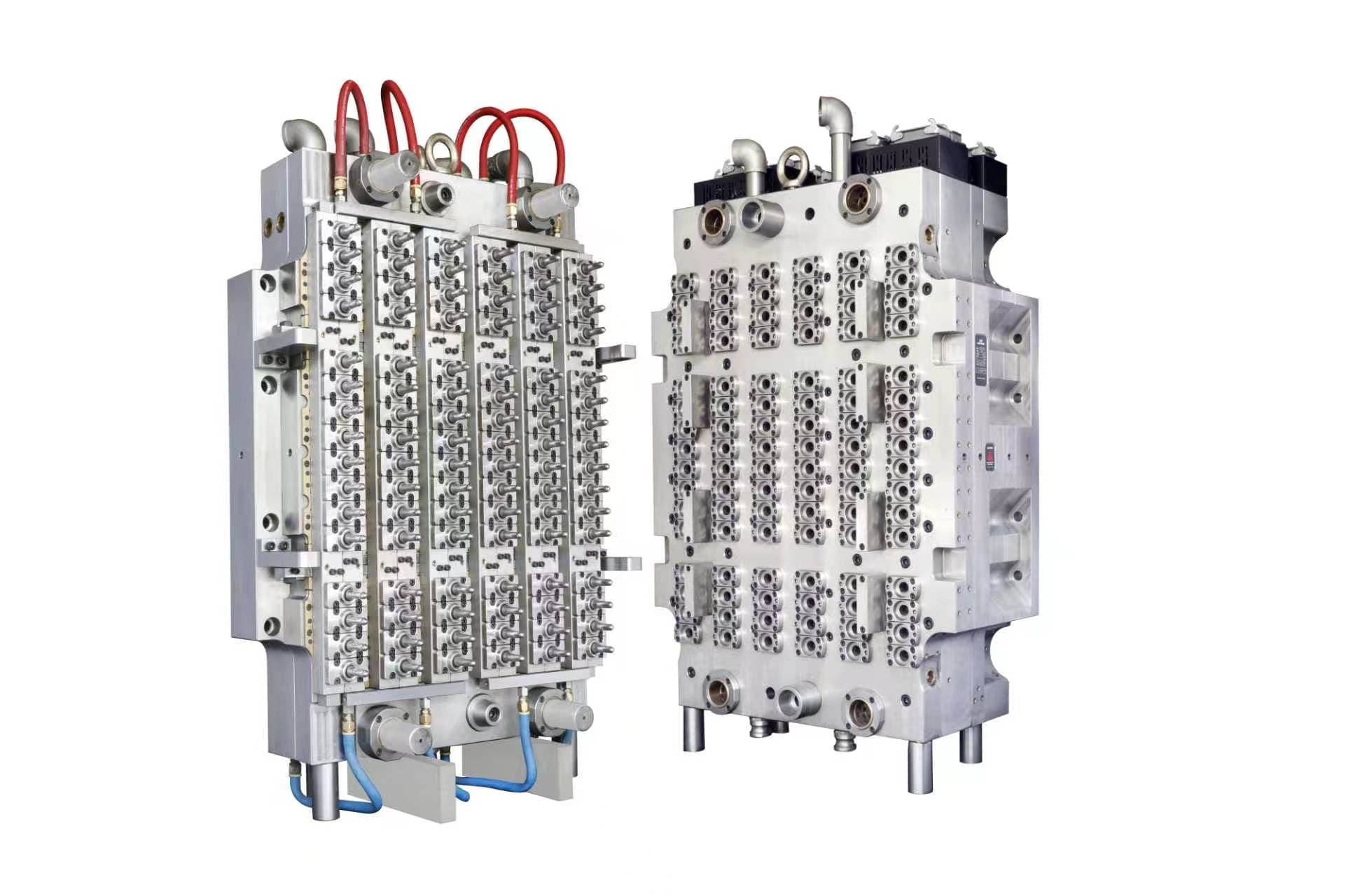
A buyer guide to PET preform neck finishes, including 28mm PCO 1881 and PCO 1810, closure compatibility, tooling inputs and validation.
Read guide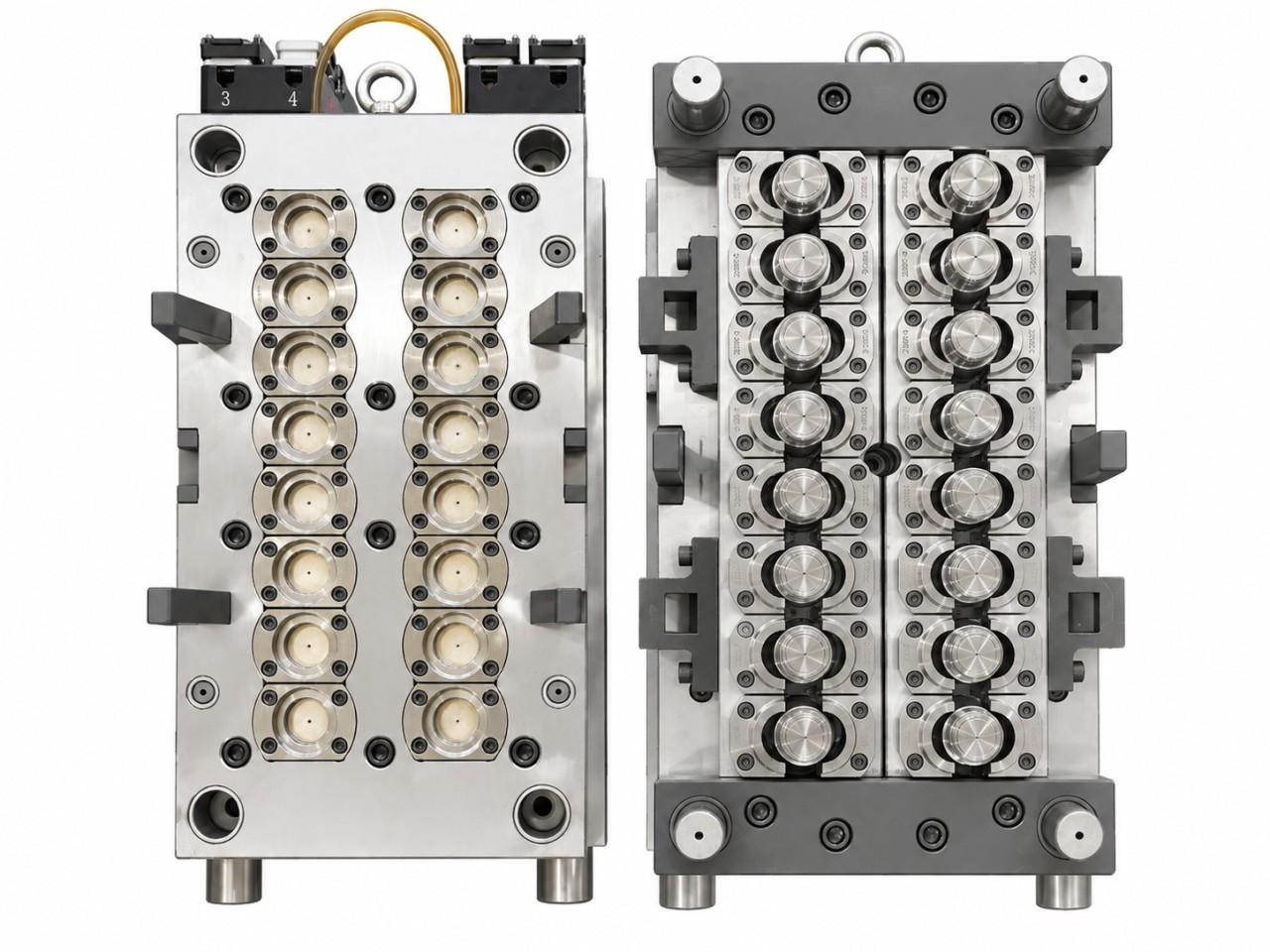
Compare 8 to 96 cavity bottle cap moulds by stable cycle time, injection-machine fit, production capacity and total investment.
Read guide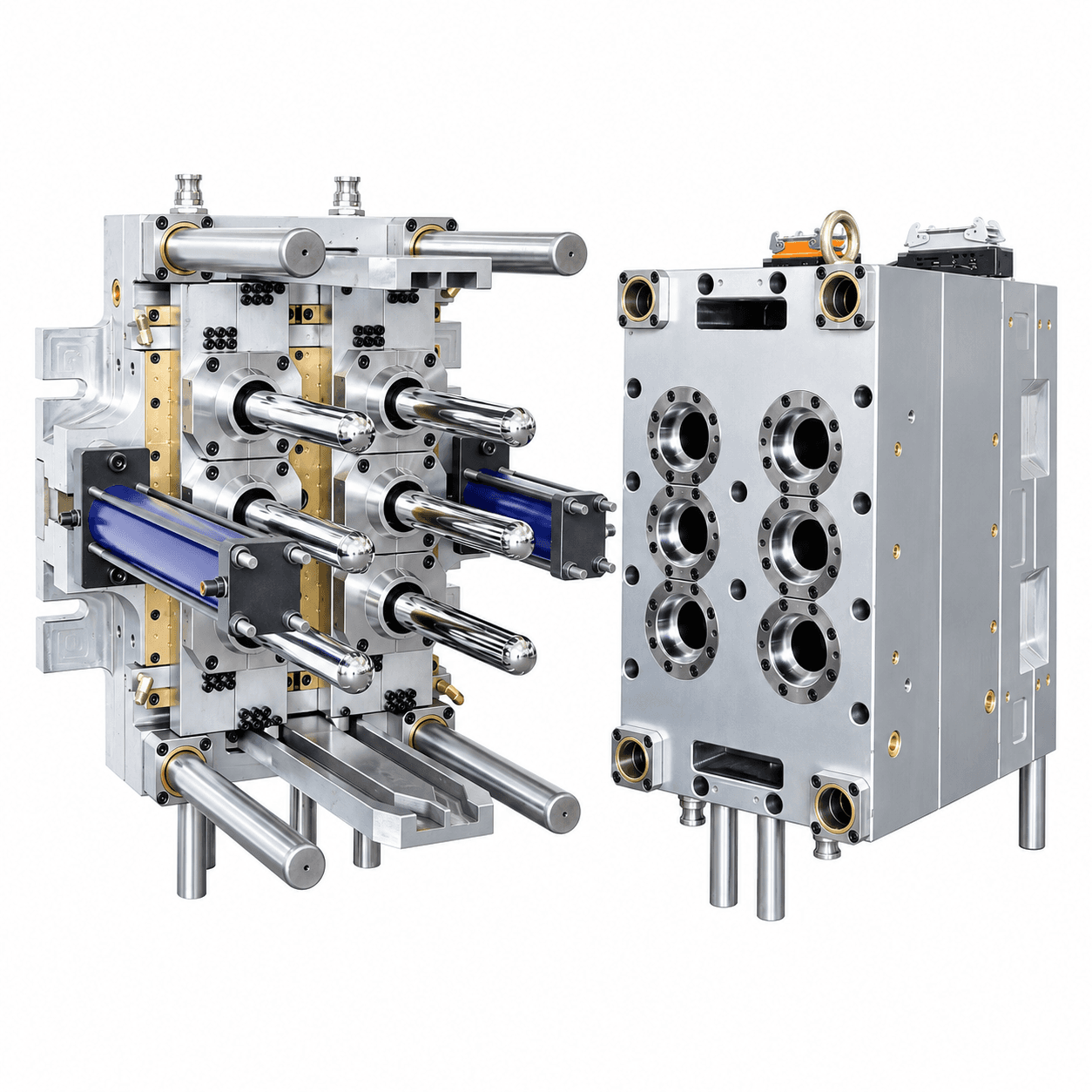
Compare 28mm PCO 1881 and PCO 1810 neck-finish decisions for PET preform tooling, closure compatibility and filling-line validation.
Read guide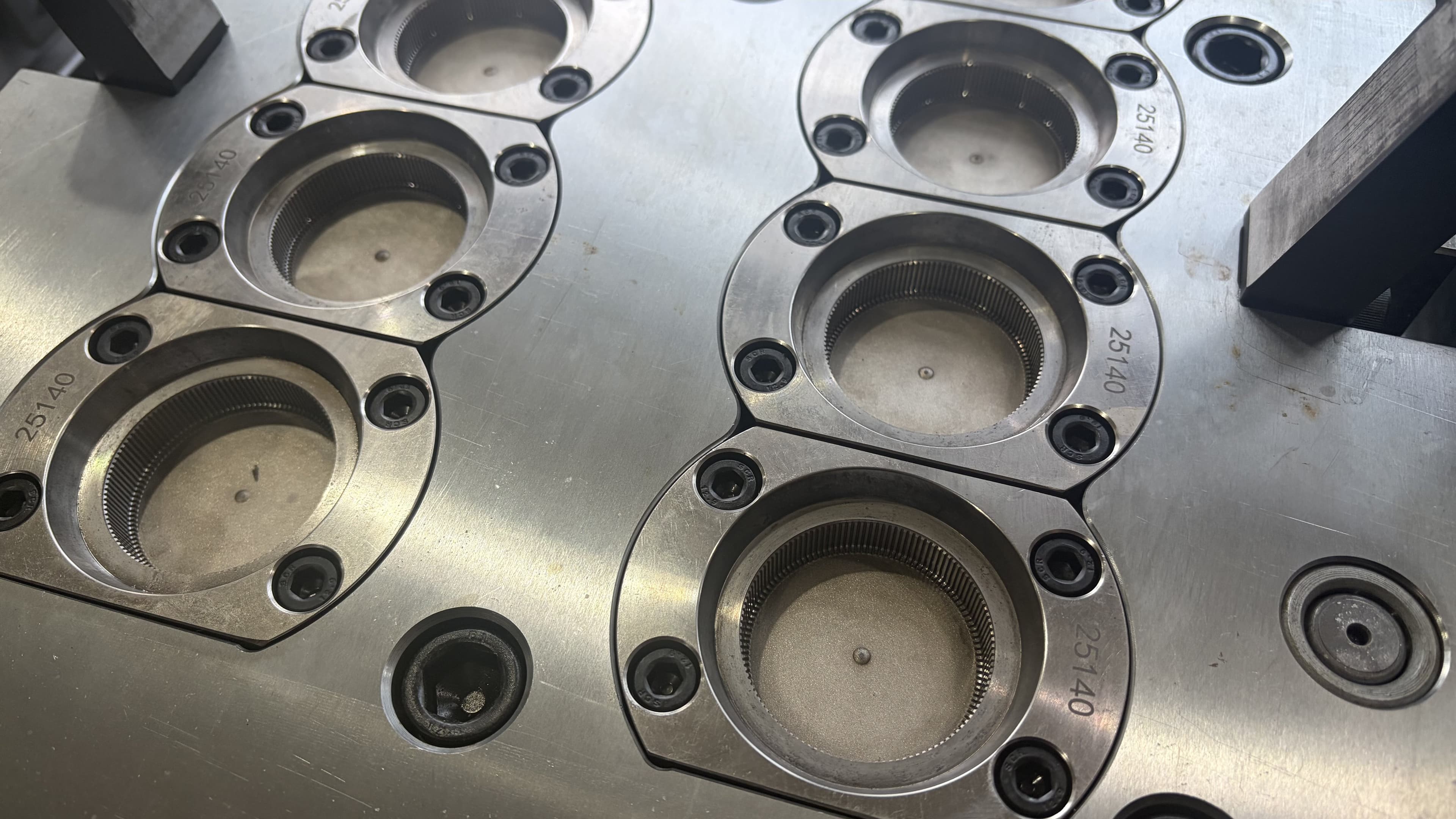
A neutral sourcing framework for SURE, MODO, YUDO, Husky, Mold-Masters and Mastip hot-runner proposals for high-cavity cap moulds.
Read guide
A component-level guide to S136, FS636, FS632, M333, M335, 2316, P20, 4Cr13, 3Cr13, H13, 2344 and 45# steel.
Read guide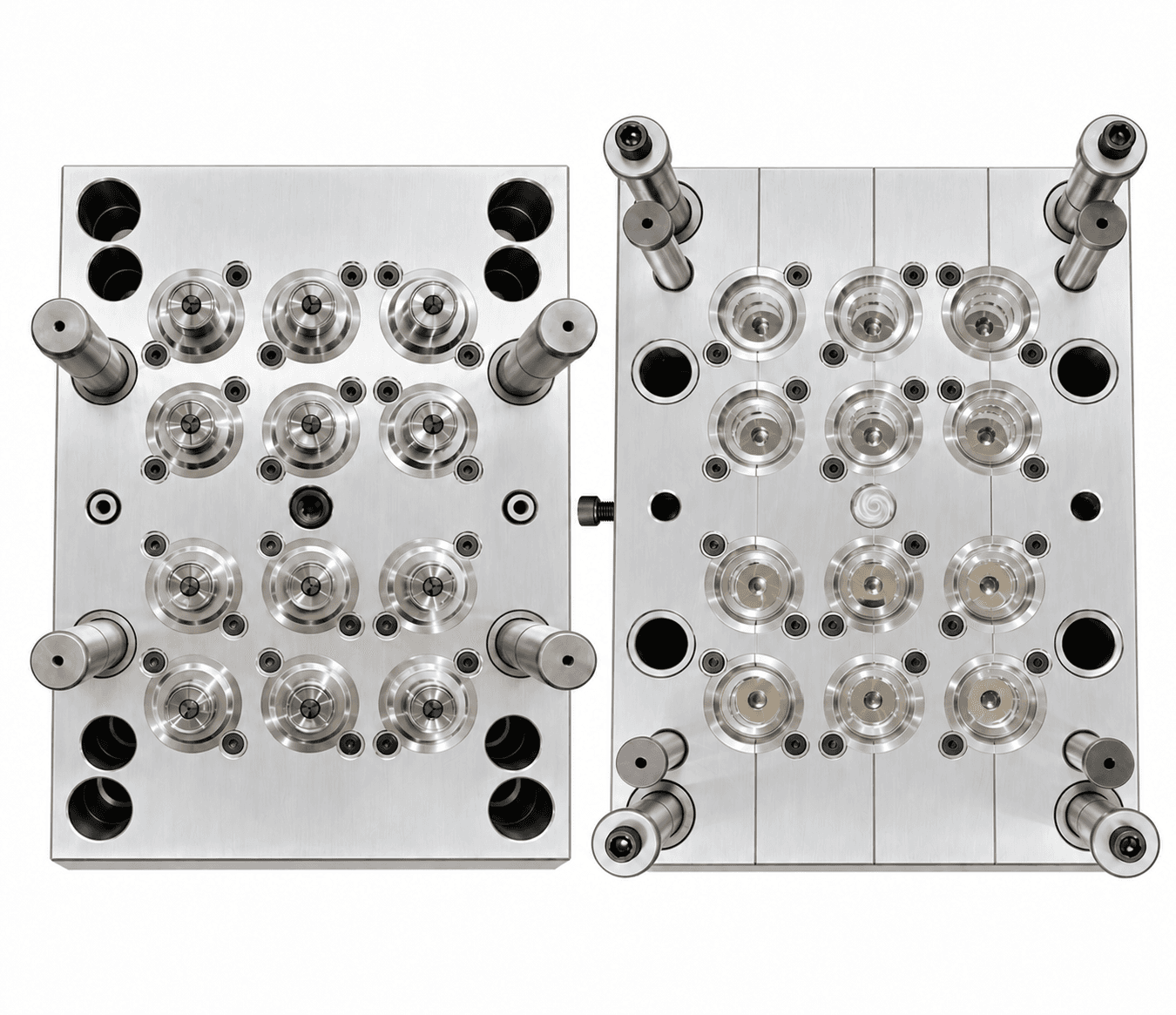
Understand water caps, CSD caps, oil caps, flip tops, sports caps, tamper-evident caps and 5-gallon closures before tooling starts.
Read guide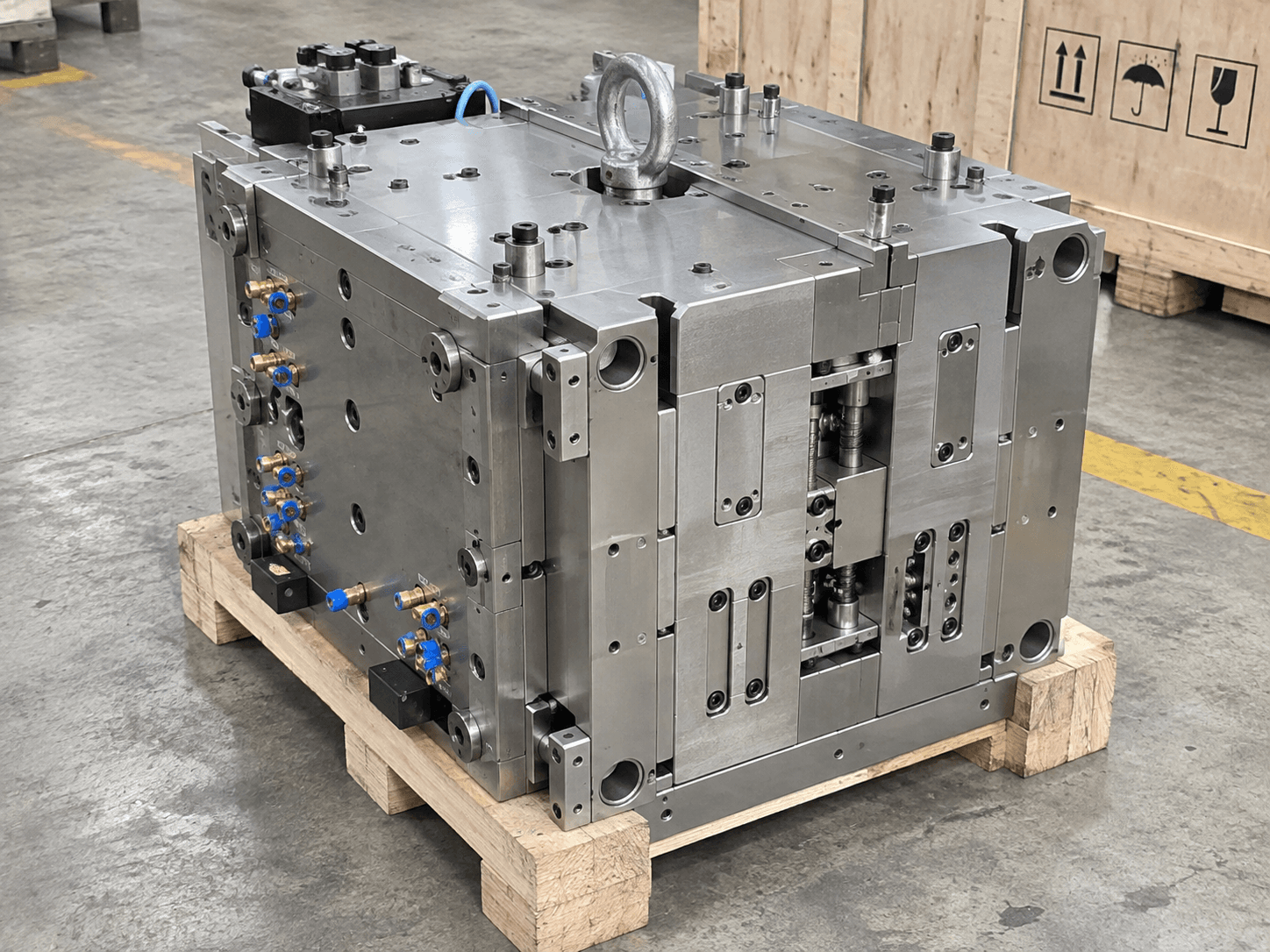
Compare packaging mould quotations beyond price: scope, steel, hot runner, trial evidence, spare parts, shipment inspection and handover.
Read guide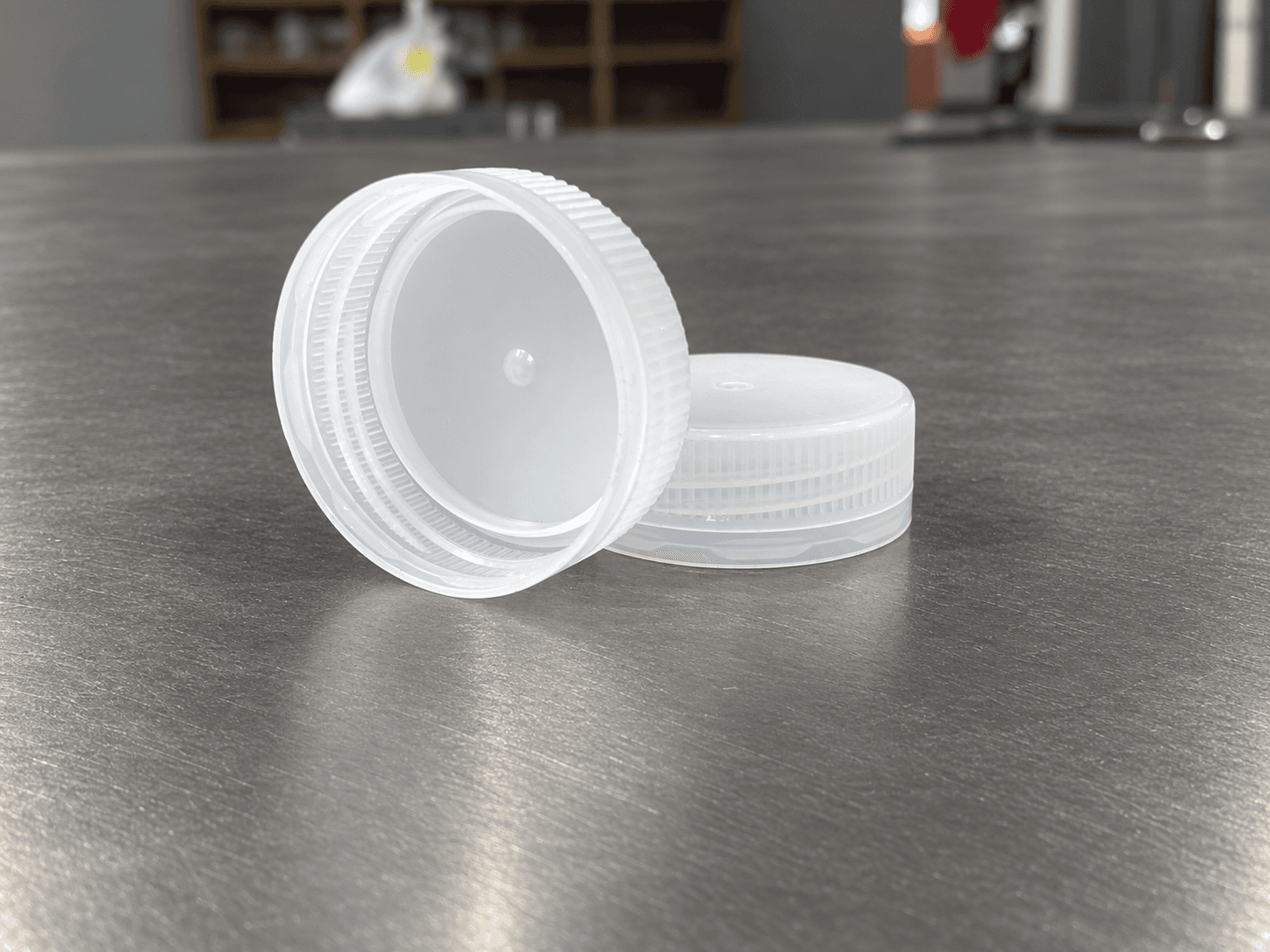
Avoid late tooling changes by confirming PET neck finish, cap fit, sealing, tamper evidence, production equipment and validation before design release.
Read guide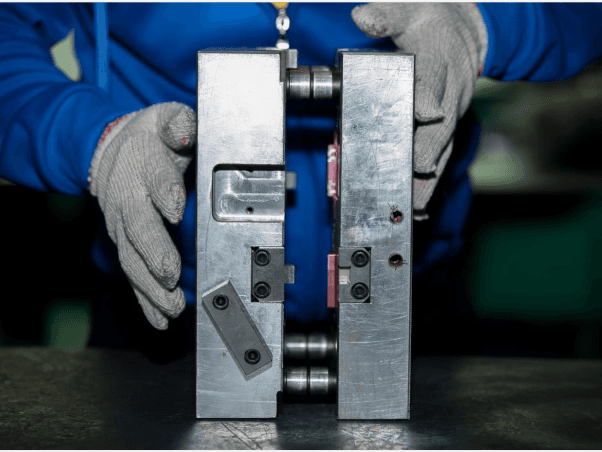
Specify spare parts, maintenance records and shipment handover requirements for multi-cavity packaging moulds to reduce avoidable production downtime.
Read guide
A practical buyer guide to hot runner selection for cap moulds: gate type, resin, cavity balance, controller interfaces, factory testing and maintenance handover.
Read guide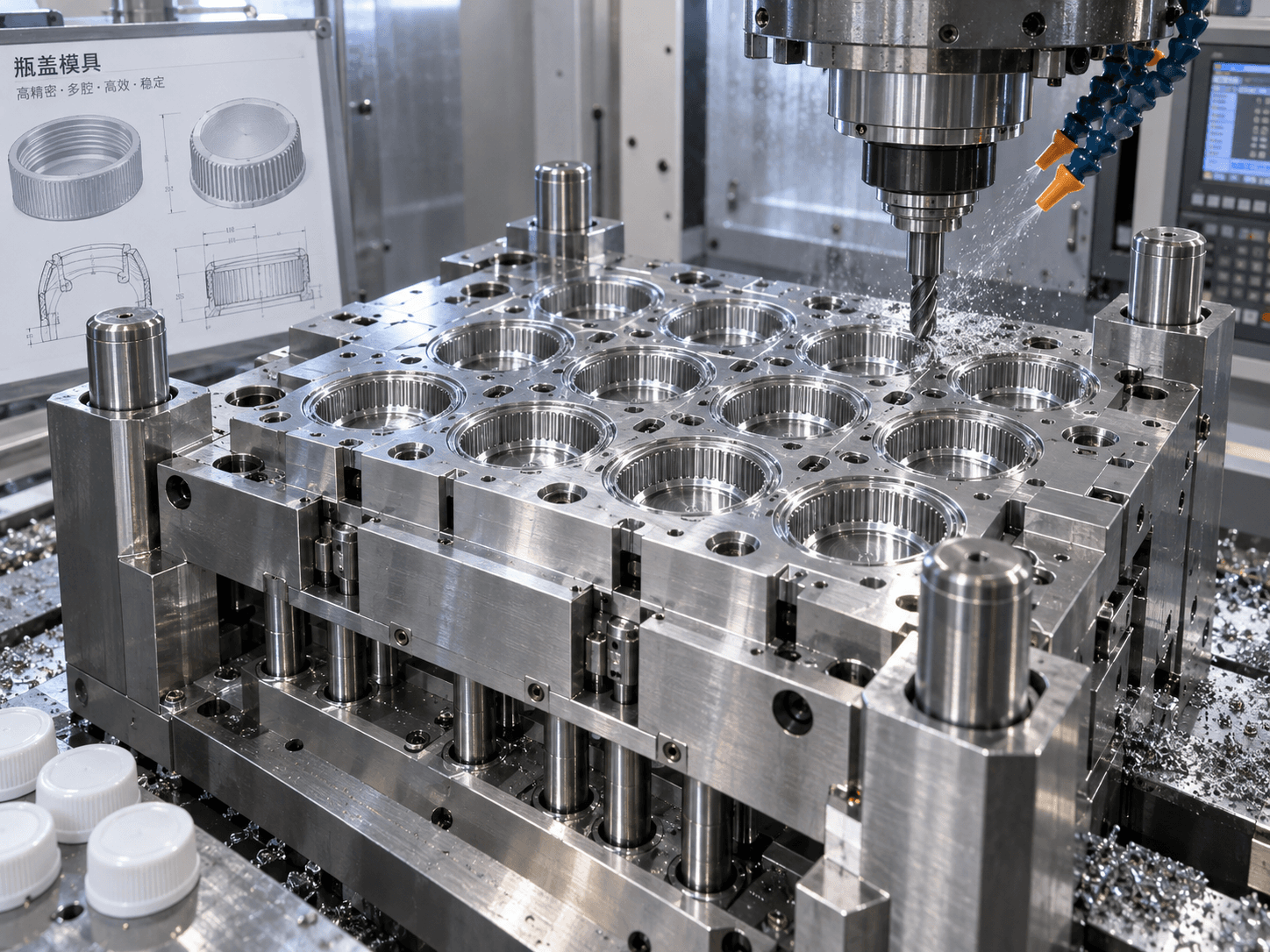
Learn how packaging-mould buyers should compare cavity, core and mould-base steel by resin, corrosion risk, surface finish, output, maintenance and factory acceptance.
Read guide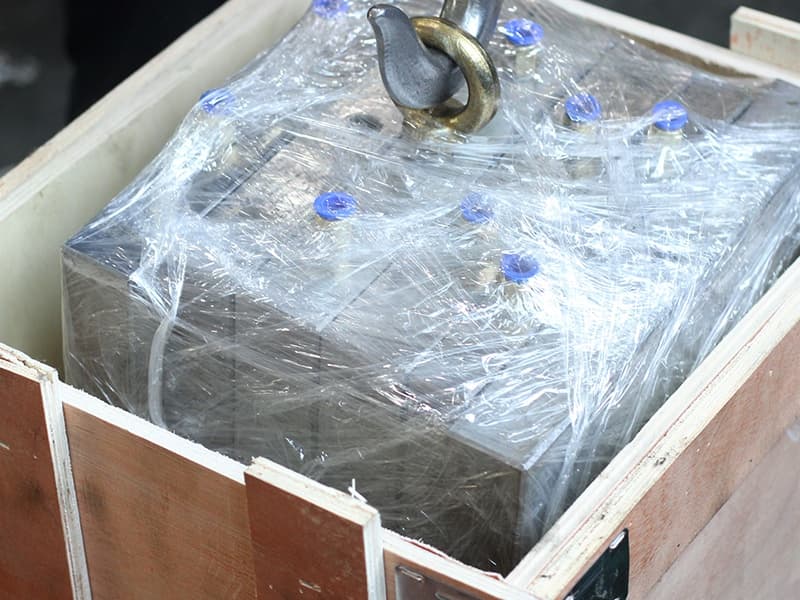
Prepare for mould delivery with this practical checklist covering machine fit, utilities, hot runner connections, trial records, commissioning, training and shipment handover.
Read guide
Learn how to specify a PET preform mould for your bottle program, from cavity count and neck finish to cooling, trials and shipment checks.
Read guide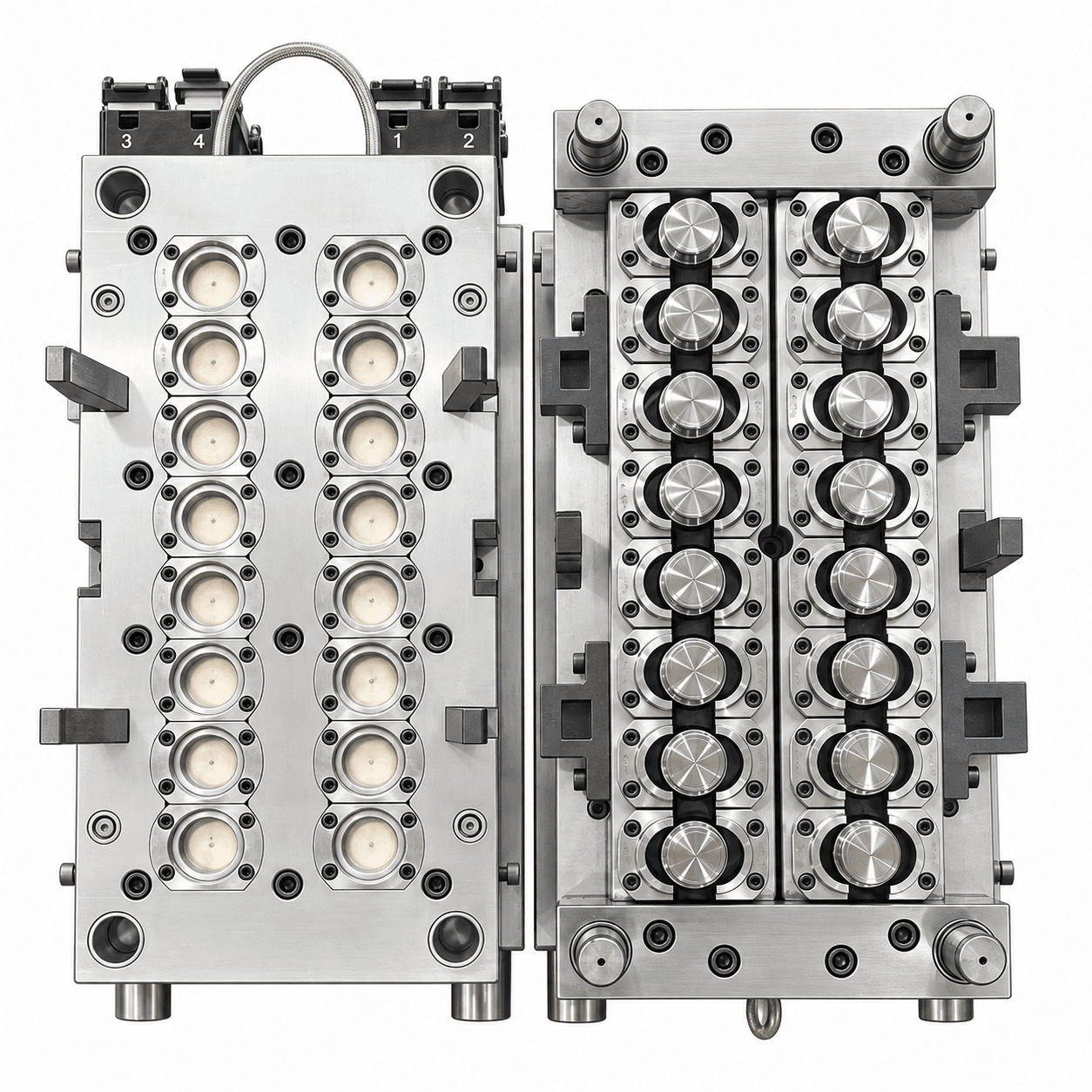
Compare tethered and standard beverage cap moulds, including cap-and-neck compatibility, cavities, testing, automation and shipment checks.
Read guide
Use this RFQ and acceptance checklist to specify plastic bucket, pail, lid, handle and IML mould projects with less sourcing risk.
Read guide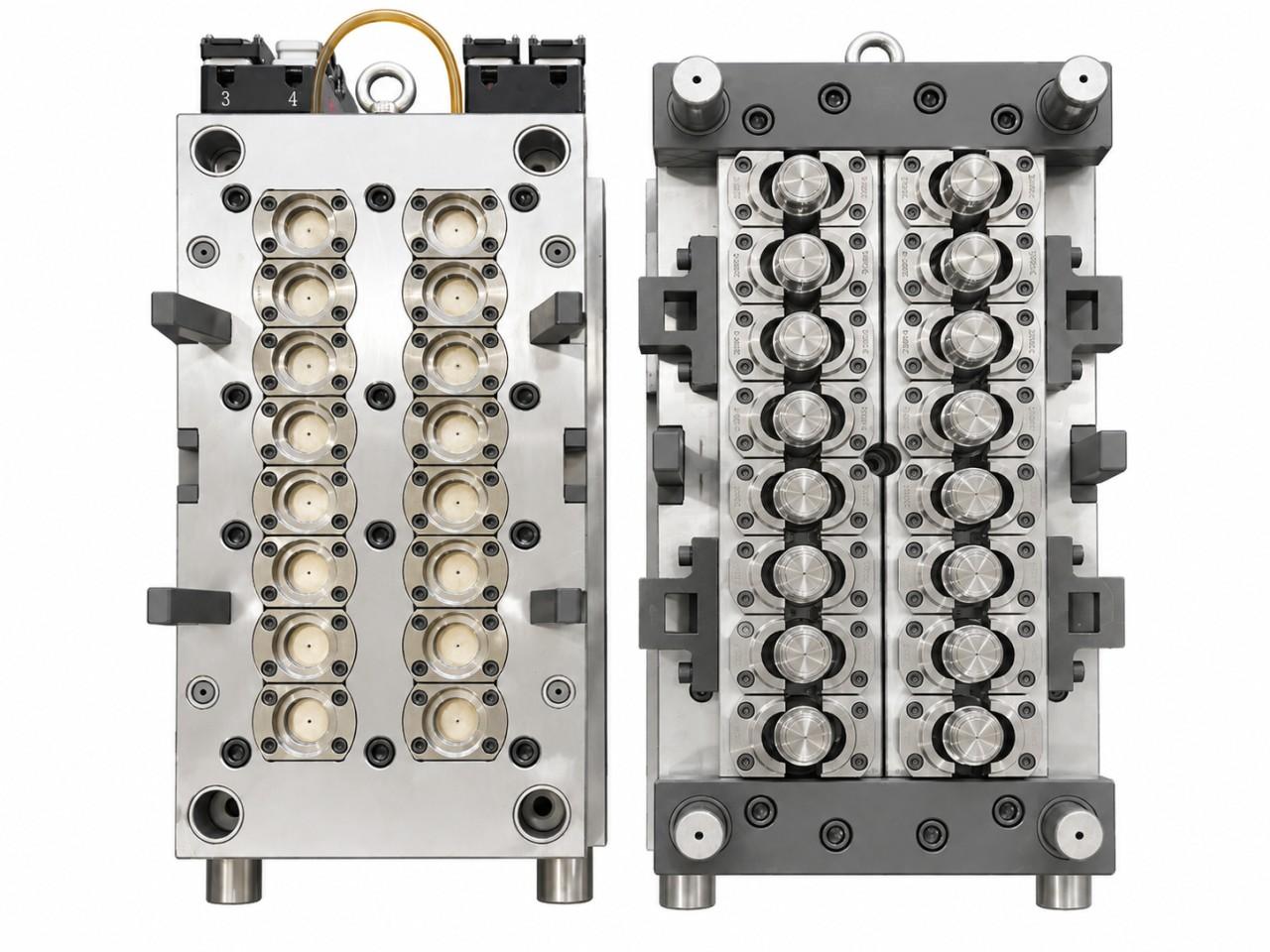
Learn how to evaluate plastic cap mould sealing, thread accuracy, cooling, defects and factory testing before purchasing tooling.
Read guide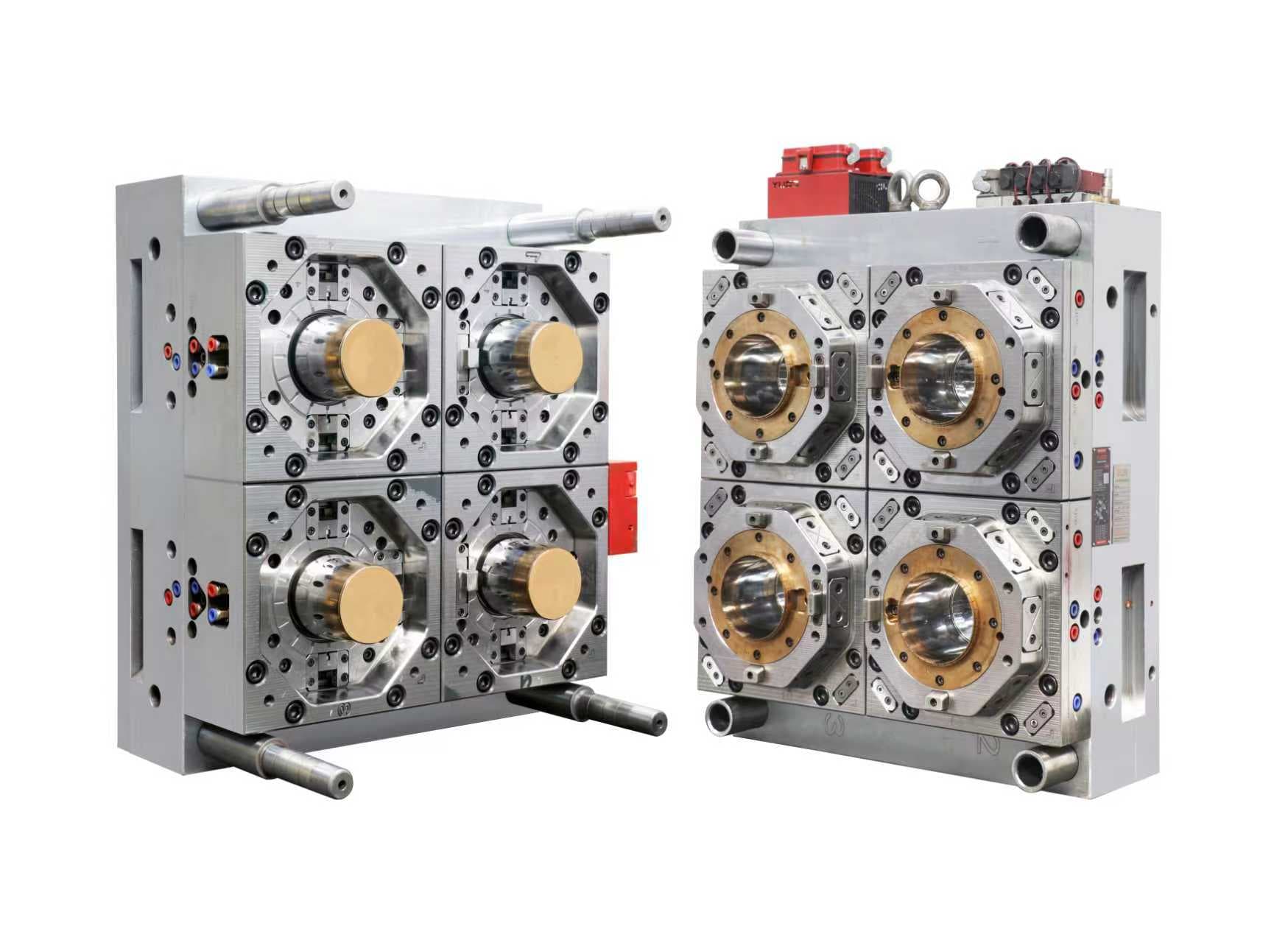
A buyer guide to plastic bucket and pail moulds for food, paint and industrial packaging, including IML, stackability and testing.
Read guide