
Plastic Bucket Moulds · 9 min read
Published: September 23, 2026
Plastic Bucket Mould Selection Guide: IML, Lid Fit, Cooling and Factory Acceptance
Bucket and pail mould projects combine product design, lid fit, handle details, stacking strength, decoration and line automation. This guide explains the decisions that should be made before tooling begins.
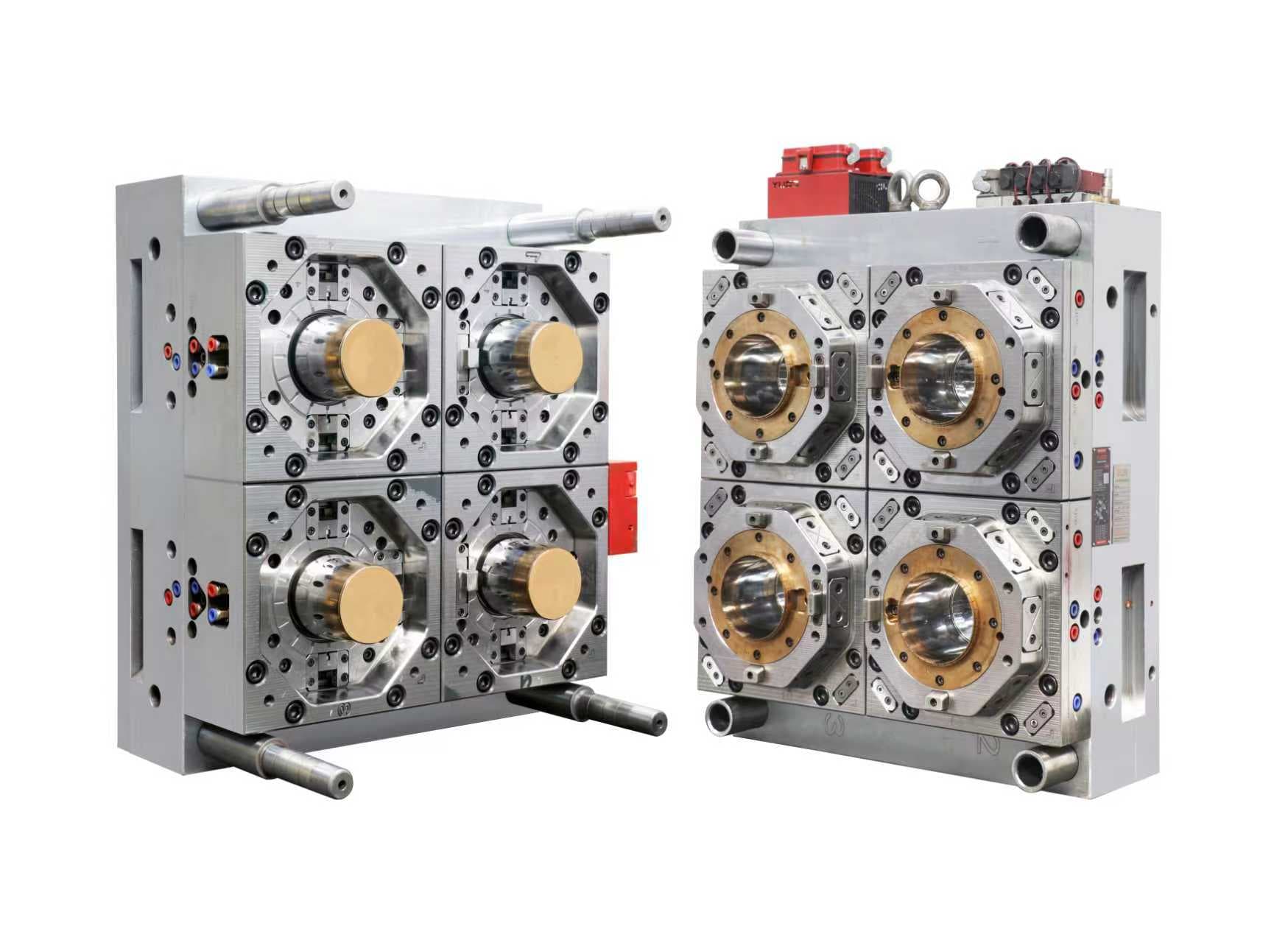
Bucket and pail mould projects combine product design, lid fit, handle details, stacking strength, decoration and line automation. This guide explains the decisions that should be made before tooling begins.
Build the RFQ around the finished packaging
Provide bucket volume, dimensions, target weight, resin, lid and handle details, filling condition, stacking requirement, machine data and annual output. For IML projects, include label artwork, robot concept and surface-quality expectation.
A supplier should use these requirements to recommend cavity count, gate strategy, cooling layout and ejection method—not simply reuse a generic mould configuration.
Review lid fit, IML and stackability together
The bucket rim and lid must work as a package. Paint, food, chemical and household applications can need different sealing, transport and handling performance.
For IML buckets, label positioning, static control, robot coordination and cycle timing are engineering requirements. They should be confirmed before mould manufacture, not added after a first trial.
Validate cooling and acceptance at the factory
Larger surfaces and longer flow paths make cooling balance important for wall stability, warpage, ejection and cycle consistency. Ask to inspect rim flatness, lid fit, handle interfaces, wall appearance and stackability during the trial.
Before export shipment, verify lifting points, water and hydraulic connections, protection against corrosion, packing method and commissioning documents.
Frequently asked questions
Is a hot runner always the right choice for a bucket mould?
No. The decision depends on resin, part size, gate requirement, output, maintenance capacity and budget.
Can bucket and lid be made in one mould?
They are usually separate tools because their geometry and moulding conditions differ, but they should be engineered as one packaging system.
What is most important for IML bucket moulds?
Label placement, automation compatibility, surface finish, static control and stable cycle timing.
Talk to a mould engineer
Send your bucket drawing, lid details and IML requirements to receive a practical mould proposal.
Get a Quote →