
Plastic Cap Moulds · 11 min read
Published: September 28, 2026
How to Choose a Hot Runner System for Plastic Cap Moulds
A hot runner should be selected around the cap, resin and production cell. This buyer guide explains the interfaces, testing evidence and maintenance questions that should be clear before a cap mould is released.
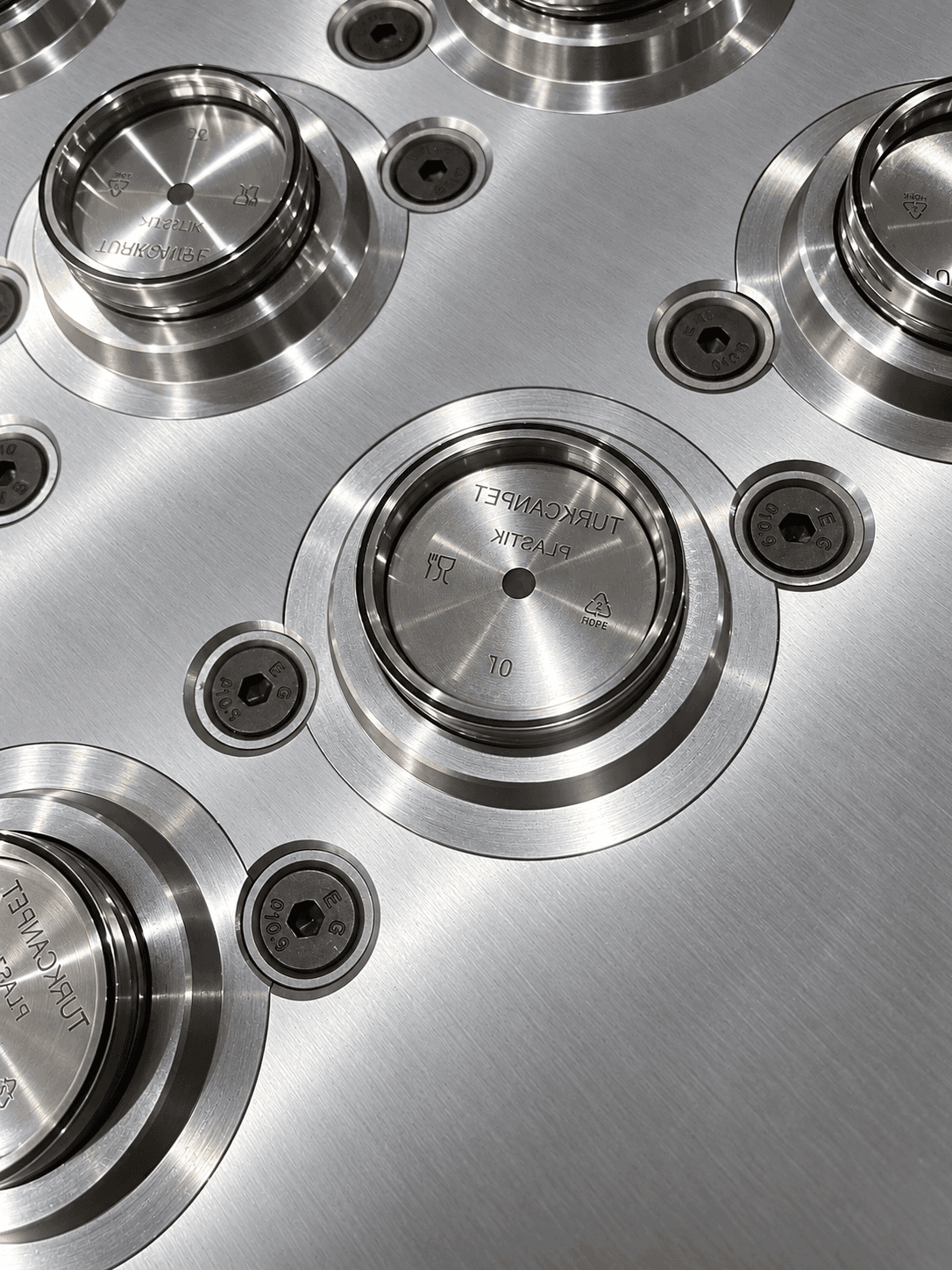
For a cap mould, the hot runner is not an optional accessory that can be selected after the cavity layout is finished. It is part of the melt-delivery system that influences filling balance, gate appearance, colour change, start-up procedure and the work needed to keep all cavities running consistently. This matters most on high-output water, beverage, tethered and flip-top closures, where small cavity-to-cavity differences can become a production issue over a long run.
The most useful way to select a system is to start with the finished cap and the production cell, rather than a preferred brand name. A buyer should define the cap drawing, resin grade, cavity count, target output, gate location, colour-change expectation, available controller, machine nozzle interface and site maintenance capability. The mould maker can then match the manifold, nozzle concept, heating zones and gate detail to a real application.
Start with the cap, resin and gate requirement
The cap drawing establishes more than the outside shape. Thread detail, sealing land, tamper band, hinge, wall transitions and cosmetic zones affect where material can enter the cavity and how visible the gate mark may be. For a thin-wall cap, an apparently small gate change can affect filling pressure, weld lines, gate vestige and the repeatability of part weight.
Resin information should be specific. PP and HDPE have different processing windows, shrinkage behaviour and colour-change characteristics. A recycled-content target, a high-slip formulation or a customer-specified masterbatch can introduce further variables. It is better to describe the actual production resin and alternatives that may be used than to approve a generic temperature range in an RFQ.
Open gate or valve gate
An open nozzle can be suitable where a small, controlled gate is acceptable and the application benefits from a simpler configuration. Valve gating can provide more control in applications where gate appearance, sequential filling or material shut-off is critical, but it adds components, connections and maintenance requirements. Neither option is universally better. The decision should be recorded with the reason, expected gate condition and service plan.
Evaluate balance as a system, not a drawing feature
A balanced manifold is intended to give each cavity a comparable melt path, but mechanical symmetry alone does not prove stable moulding. Heater performance, temperature sensing, nozzle seating, gate dimensions, cooling influence and machine-side conditions all affect what happens in production. During a factory trial, buyers should request samples from multiple cavities, not only a group sample selected from the best positions.
Useful trial evidence includes the resin and colour used, controller set points, heat-soak time, cycle conditions, sample weights where relevant, visual checks and a record of any cavities adjusted during the test. This does not turn one trial into a guarantee of every future condition; it creates a clear baseline for installation preparation and later troubleshooting.
Confirm the controller and machine interfaces before shipment
A hot runner is only as usable as its connection to the customer’s production cell. Before manufacture is released, confirm voltage, plug and socket arrangement, number of zones, thermocouple type, alarm interface, controller availability and machine nozzle geometry. If valve gates are included, clarify the pneumatic or hydraulic interface and who supplies the related equipment.
This review should include the practical details that are easy to overlook: cable routing, clear labelling of zones, lifting access, water connections, spare heaters or sensors, and whether the customer can obtain local technical support for the chosen system. Where a customer has an approved brand list, record it in the mould specification instead of relying on an informal email reference.
Make maintenance requirements visible in the quotation
Hot runner maintenance should be planned as part of tool ownership. Ask how nozzle tips, heaters, thermocouples and seals are accessed; what spare parts are recommended; and what actions are required after a long shutdown, a resin change or a suspected gate imbalance. A clear manual is more valuable than a broad statement that the system is “easy to maintain.”
For colour changes, the process should protect the mould as well as product quality. The machine-side plasticising unit and the hot runner must be cleaned with an agreed procedure for the resin and purging material. The team should not improvise temperatures or disassembly steps at the machine. Controller records, maintenance logs and labelled spare parts shorten the time needed to identify a failed zone later.
What to check during factory testing and shipment inspection
Factory testing should show the complete mould system: opening and closing, heating response, cooling, ejection, automatic cycling and samples from more than one cavity. For cap projects, add the relevant functional checks, such as thread condition, tamper-band detail, hinge action or fit with the approved bottle neck. If the intended customer resin or bottle is not available at the trial, record that limitation rather than implying the test covered it.
Before shipment, buyers should receive the agreed mould specification, electrical drawing or zone list, controller interface information, trial record, sample identification, spare-parts list and packing photographs. The shipment inspection is also the right time to verify that heating cables, plugs, manuals and accessories described in the quotation are physically included.
Frequently asked questions
Is a hot runner always necessary for a plastic cap mould?
No. The decision depends on the part, resin, output target, gate requirement, waste tolerance and maintenance resources. A hot runner can improve material efficiency and automation, but it adds cost and requires a suitable operating plan.
Can any hot runner brand be fitted to an existing cap mould?
Not automatically. The manifold space, nozzle layout, gate detail, electrical zones, controller, machine interface and support arrangement must be reviewed before a retrofit is accepted.
What should a buyer send for a hot runner proposal?
Send the cap drawing or sample, resin and colour information, cavity target, production machine details, gate expectation, preferred brands if any, expected annual output and available controller information.
Talk to a mould engineer
Mid-article CTA placement: after “Confirm the controller and machine interfaces before shipment.” Use “Ask for Product Catalog” with: “Share your cap drawing and production target for a practical hot-runner and mould configuration review.”
Get a Quote →