
Mould Project Delivery · 10 min read
Published: September 29, 2026
Packaging Mould Spare Parts and Preventive Maintenance: What Buyers Should Specify
A successful factory trial is only the start. Use this guide to define spare-parts, maintenance and handover requirements before a packaging mould is shipped.
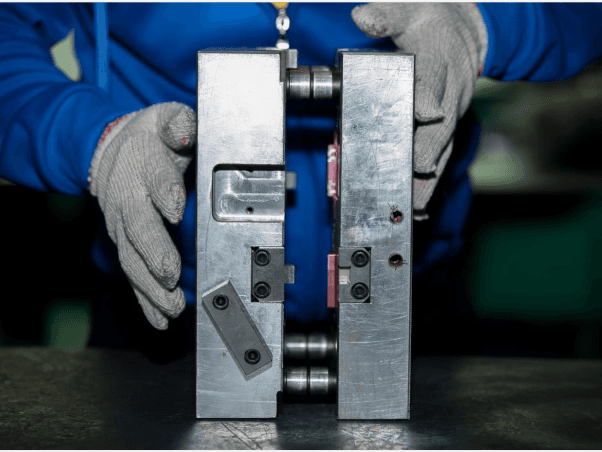
A packaging mould is not fully defined by its first successful trial. It must remain serviceable after shipment, after repeated cleaning cycles and during normal production interruptions.
This matters most for multi-cavity cap, preform and container moulds. A small wear component, heater, sensor, seal, spring or insert can affect output across the line. The buyer does not need to purchase every conceivable replacement part with the mould. They do need a documented maintenance strategy, an initial spare-parts package and a clear route for identifying parts later.
Separate Consumables, Wear Parts and Critical Spares
Consumables
Consumables are items expected to be used during regular maintenance, such as seals, lubricants or approved cleaning materials. The supplier should identify recommended type and use; the buyer can normally source some of these locally once specifications are known.
Wear parts
Wear parts may include items whose condition changes with operating cycles, resin, cleaning practice and alignment. Depending on the mould design, this can include:
- O-rings and seals
- Springs
- Ejector-related components
- Slide wear plates
- Bushings and guide components
- Gate inserts or selected neck components
- Cutting or trimming components where used
The correct list is mould-specific. Avoid accepting a generic spare-parts list without part numbers, quantities and location references.
Critical production spares
Critical spares are not necessarily the most frequently replaced. They are the items that could create prolonged downtime if unavailable. For a hot-runner mould, this may include defined heaters, thermocouples, connectors or controller-related components. For a high-cavity mould, the buyer may require selected cavity, core or neck inserts based on the commercial risk of a single cavity being unavailable.
Ask for a Traceable Spare-Parts Package
A useful spare-parts package includes:
- Part name
- Drawing or reference number
- Applicable mould location
- Quantity supplied
- Recommended stock quantity
- Material or component brand where relevant
- Installation note
- Lead-time indication for replenishment
- Packing and preservation method
During shipment inspection, verify that the package matches the list and that each component can be identified after arrival. Loose, unlabelled parts create avoidable uncertainty during future maintenance.
Build a Preventive-Maintenance Plan Around Operating Conditions
There is no honest universal maintenance interval for every mould. The right interval depends on resin, production hours, mould design, water quality, cavity count, operator practice and product tolerance.
Instead of accepting a vague promise of “easy maintenance,” ask the supplier to define the required inspection points:
- Cooling-circuit condition and leakage check
- Core, cavity and neck-ring cleanliness
- Gate condition
- Slide, lifter and ejection movement
- Guide and alignment condition
- Seal condition
- Hot-runner wiring and controller checks
- Fastener and connection review
- Rust-prevention process during shutdown
- Recommended storage method
The buyer’s maintenance team should then record actual operating observations and adjust intervals based on the production environment.
Make Maintenance Handover Part of Project Delivery
Before final shipment, request a handover package containing:
- Approved assembly drawing
- Cooling-water layout and connection information
- Electrical wiring or hot-runner information
- Trial report and approved sample record
- Spare-parts list
- Maintenance instructions
- Recommended preservation method for sea shipment and storage
- Lifting points and safe handling information
- Contact path for replacement-part identification
Factory testing and shipment inspection are useful opportunities to confirm that the buyer’s maintenance representative understands the mould’s critical interfaces.
For remote projects, a structured video walk-through can supplement the document package. It should show the mould identification, key maintenance points, spare-parts boxes, accessory list and export packing condition. It is not a replacement for technical documents, but it can reduce misunderstandings during receiving inspection.
Balance Cost Against Downtime Risk
Some buyers reduce initial cost by excluding spares completely. This can work for low-risk tools with short local replenishment lead times. It is less suitable when the mould will operate continuously, use specialized components or ship far from the supplier.
The better question is: which replacement event would stop production, and how long would recovery take? The answer guides the initial spare-parts list.
For example, a buyer may choose to stock standard seals locally, keep supplier-specified hot-runner electrical spares with the mould and agree a lead-time process for larger inserts. The decision should reflect real customer requirements, not an arbitrary “one set of every part” rule.
Frequently asked questions
Should every cavity have a complete spare insert?
Not automatically. The decision depends on part complexity, cavity design, production commitment, availability and the buyer’s risk tolerance. Ask for a recommendation with a reasoned commercial and technical basis.
What should be checked during shipment inspection?
Confirm the mould condition, corrosion protection, accessories, spare-parts package, documentation, mould identification, lifting information and export crate records against the agreed packing list.
Can maintenance be planned from cycle count alone?
Cycle count is helpful, but it is not enough. Water condition, resin, cleaning method, production interruptions and observed mould condition also affect maintenance needs.
Talk to a mould engineer
Get a Quote: Preparing a multi-cavity packaging mould project? Send your production plan and request a maintenance-and-spares review before quotation.
Get a Quote →