
Mould Engineering · 9 min read
Published: September 29, 2026
Injection Mould Steel Selection Guide: S136, FS636, FS632, M333, M335 and More
Compare injection-mould steels by component, resin, corrosion, finish, heat treatment and maintenance—not by grade name alone.
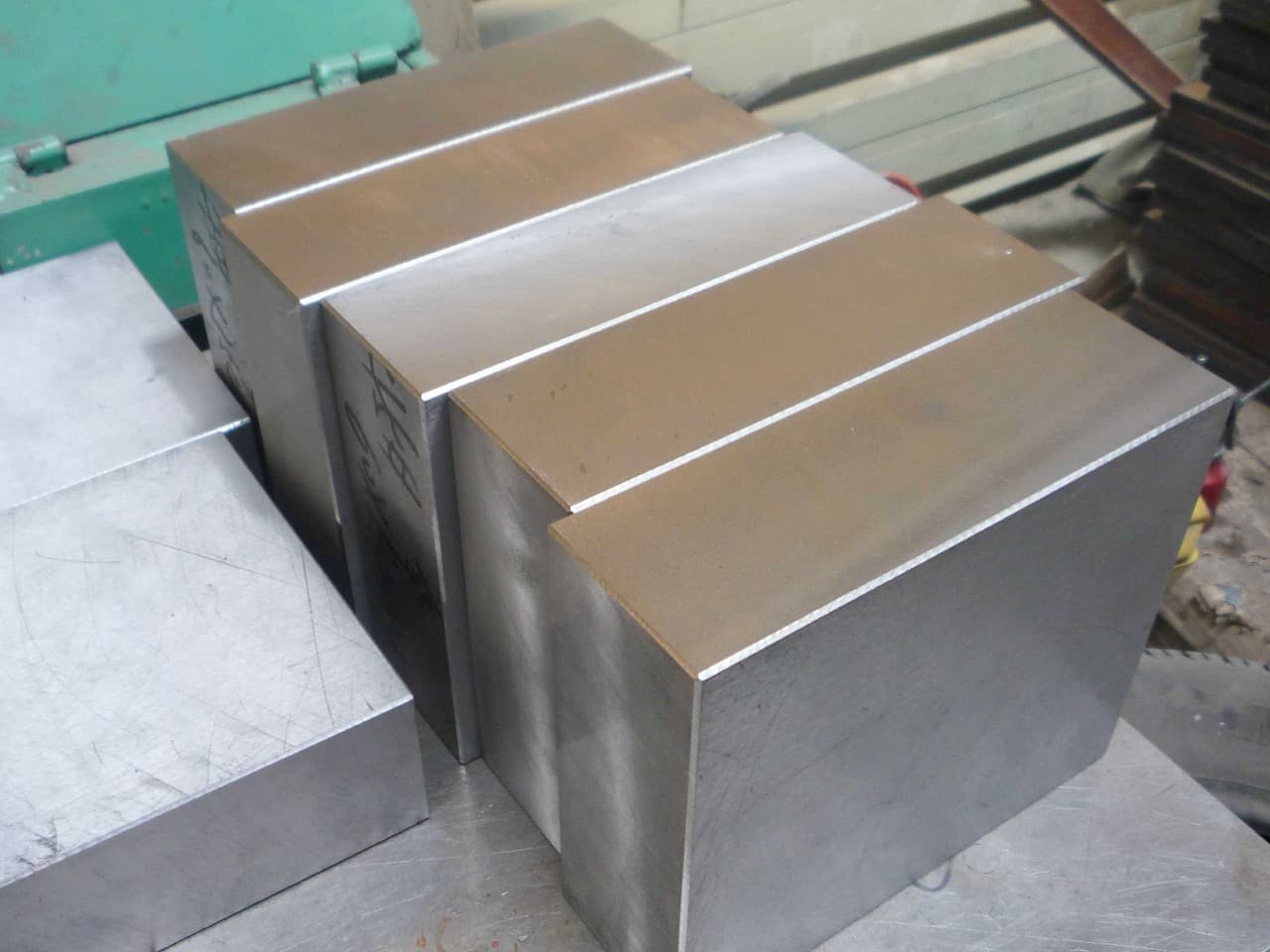
Injection-mould steel selection is not a contest to specify the most expensive grade. The correct choice depends on the mould component, resin, corrosion exposure, surface finish, cooling design, expected production use, heat treatment and maintenance plan.
This guide provides a practical RFQ framework for S136, FS636, FS632, M333, M335, 2316, P20, 4Cr13, 3Cr13, H13, 2344 and 45# steel. It does not treat similarly named grades from different producers as automatically identical. For every critical component, the final specification must reference the supplier's material certificate, delivery condition and heat-treatment plan.
Start With the Mould Component
A useful steel proposal identifies the exact component and its function. Cavity inserts, cores, neck rings, thread details, slides, wear plates, hot-runner-adjacent components and mould bases do not face the same conditions. An RFQ should require a component-by-component list rather than a single line saying “high-quality mould steel.”
| Mould area | Engineering questions |
|---|---|
| Cavity and core inserts | resin exposure, corrosion risk, polish requirement, cooling and wear |
| Neck rings and threads | dimensional stability, wear, serviceability and replacement method |
| Slides and wear components | friction, lubrication, contact load and spare-part planning |
| Mould base and support plates | rigidity, machinability, corrosion environment and cost balance |
| Heat-affected or thermally cycled details | heat treatment, temperature exposure and fatigue considerations |
Steel Families to Include in a Quotation Review
Corrosion-resistant and polish-oriented options
S136, 4Cr13, 3Cr13 and 2316 are often considered when corrosion resistance, polishability or moisture exposure is relevant. Their suitability cannot be decided by name alone: the resin, water quality, surface requirement, supplier's material condition and requested treatment must be documented.
For packaging moulds, this discussion can be relevant to cavity, core or neck components exposed to humid production conditions, corrosive additives or demanding cosmetic surfaces. Specify where the grade will be used and what result it is expected to support.
Pre-hardened and mould-base options
P20 is frequently evaluated for mould bases and, where appropriate, selected components requiring a practical machining and cost balance. 45# steel may appear in support or structural applications when its proposed role is clearly stated. Neither should be assumed to provide the same corrosion resistance, finish behaviour or service role as a stainless or specialist insert grade.
Thermal-cycle and wear considerations
H13 and 2344 may be considered for components where thermal cycling, strength or wear is part of the design discussion. The proposal should explain the component location, heat-treatment scope, working condition and inspection requirements. A grade name without this context is not a complete engineering specification.
Supplier- or producer-specific designations
FS636, FS632, M333 and M335 should be reviewed against the exact producer's technical datasheet and certificate. These designations can be commercially meaningful in a supplier proposal, but buyers should not assume they are direct equivalents to another maker's grade based only on a similar number or name.
For each of these grades, request: material producer, certificate reference, delivery condition, intended component, heat-treatment proposal, hardness range where specified, machining notes and replacement/spare-part reference.
Match Steel to Resin and Application
PP and HDPE closures, PET preforms, filled compounds, recycled-content blends and resins with different additives can present different wear and corrosion conditions. State the actual resin, additives where known, expected operating environment, product surface requirement and planned output before the mould supplier finalises the steel scope.
Do not request a universal mould-life promise from any grade. Real service performance also depends on design, heat treatment, machining quality, cooling-water condition, process stability, cleaning practice and preventive maintenance.
Surface Finish, Cooling and Maintenance
A specified surface finish must be connected to the product requirement and inspection method. If a cap sealing area, PET neck detail or visible container surface needs a particular polish or texture, identify it in the drawing package. The steel proposal should then show which insert supports the requirement.
Cooling should be reviewed at the same time. An unsuitable water condition or neglected circuit can undermine corrosion-resistance assumptions. For high-cavity tools, request identifiable inserts, cavity maps, spare-part numbers and a service procedure so that maintenance teams can act on a documented design.
Factory Testing and Shipment Inspection
Factory testing cannot prove material chemistry, but it can verify how the completed mould operates. Agree sample checks, cavity identification, appearance requirements, relevant dimensions and open-point handling before the trial. For shipment inspection, check the agreed material and component documentation, supplied spares, preservation, labels and packing record.
Frequently asked questions
Is S136 always the best steel for an injection mould?
No. It may be appropriate for certain corrosion-resistance or finish requirements, but steel must be chosen for the specific component and operating conditions.
Are FS636, FS632, M333 and M335 directly interchangeable with other grades?
Do not assume so. Confirm the producer, datasheet, certificate, delivery condition and engineering role before accepting any claimed equivalence.
What should appear in a mould quotation?
Request the material by component, producer or source where applicable, intended treatment, the reason for selection, resin assumptions and a traceable spare-part reference.
Talk to a mould engineer
Request a steel-scope review: Send your product drawing, resin, finish requirement and output plan for a component-by-component mould steel proposal.
Get a Quote →