
Plastic Cap Moulds · 8 min read
Published: September 23, 2026
Plastic Cap Mould Buying Guide: How to Reduce Leakage, Flash and Quality Variation
A small closure controls sealing, product protection and customer perception. For water caps, beverage caps, flip-top caps and edible-oil caps, the best mould decision starts with functional requirements rather than appearance alone.
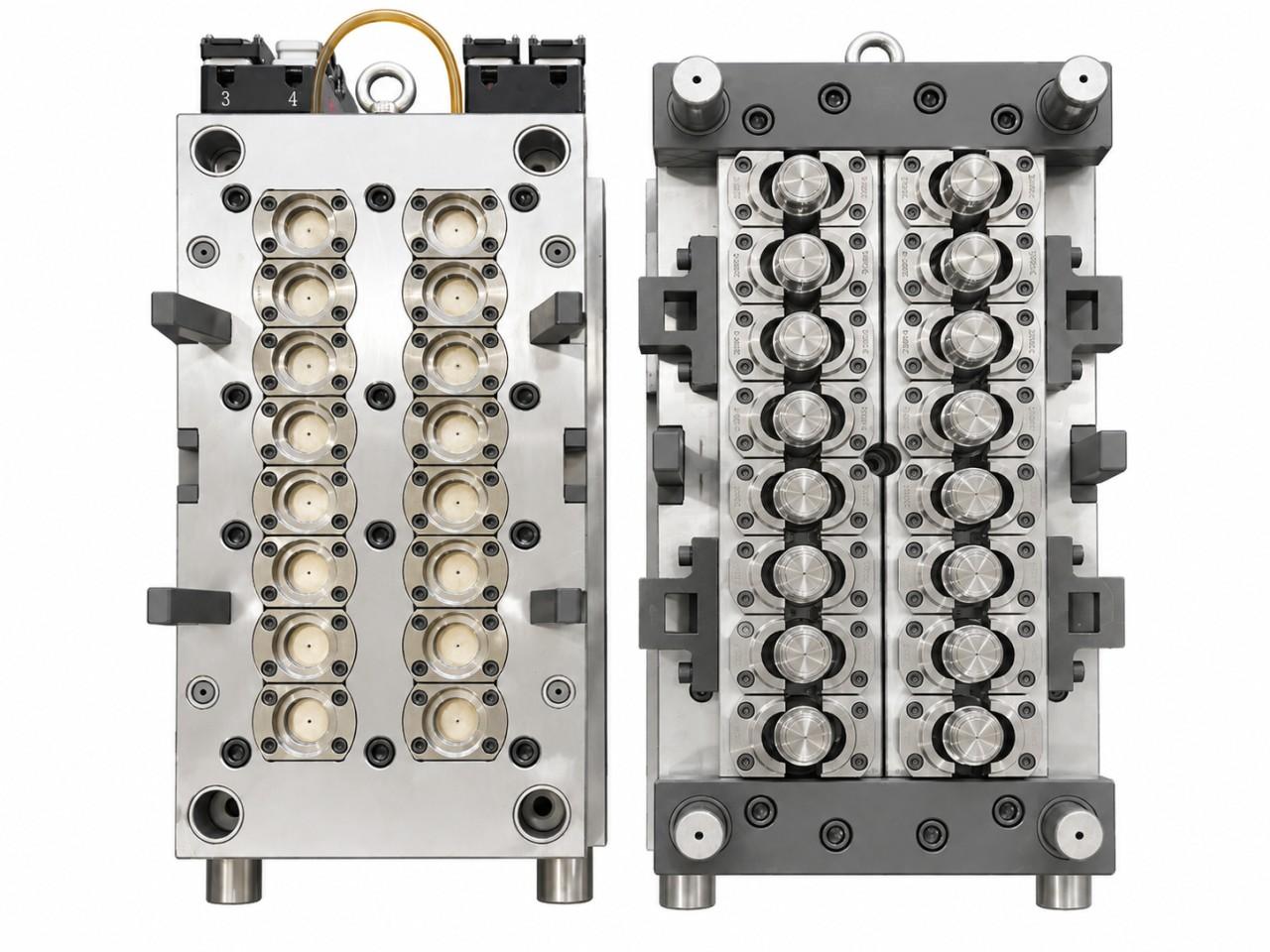
A small closure controls sealing, product protection and customer perception. For water caps, beverage caps, flip-top caps and edible-oil caps, the best mould decision starts with functional requirements rather than appearance alone.
Define the closure and bottle interface
Share the cap sample or drawing, matching bottle-neck specification, material, filling condition, expected torque and annual output. Thread form, sealing land, tamper evidence and liner interface should be considered as one system.
When a cap leaks, the mould is only one possible cause. Bottle tolerance, capping torque, material and filling conditions also need a structured review.
Understand the defects that affect production
Flash, short shots, drag marks, gate blush and uneven threads are useful diagnostic signals. They can relate to mould fit, clamping force, material, cooling, venting, filling conditions or ejection.
Buyers should ask how critical components are aligned, cooled and serviced. A lower tool price loses value quickly if routine maintenance is difficult or cavity variation is not controlled.
Use factory testing to verify function
Trial samples should be checked for weight, thread quality, sealing surfaces, tamper-band performance and visual condition. Where a matching bottle is available, a cap-and-bottle fit check gives buyers more useful evidence than appearance alone.
Shipment inspection should include a mould-running video, sample record, spare-parts list, connection labels and export-packing photographs.
Frequently asked questions
Why can a cap leak when dimensions look correct?
Leakage can involve thread fit, sealing geometry, bottle tolerance, liner condition, capping torque and filling conditions.
Can one cap mould run different colors?
Usually yes; color is controlled by resin and masterbatch, with a documented color-change procedure.
What should be checked in a cap mould trial?
Inspect samples from multiple cavities, functional fit, tamper evidence, surface condition and repeatability.
Talk to a mould engineer
Send your cap sample and bottle-neck drawing for a focused sealing and production-stability review.
Get a Quote →