
PET Preform Moulds · 10 min read
Published: October 14, 2026
PET Preform Mould Acetaldehyde Control: A Buyer Validation Guide
Turn acetaldehyde control from a vague low-AA request into a documented material, process and factory-acceptance plan for PET preform projects.
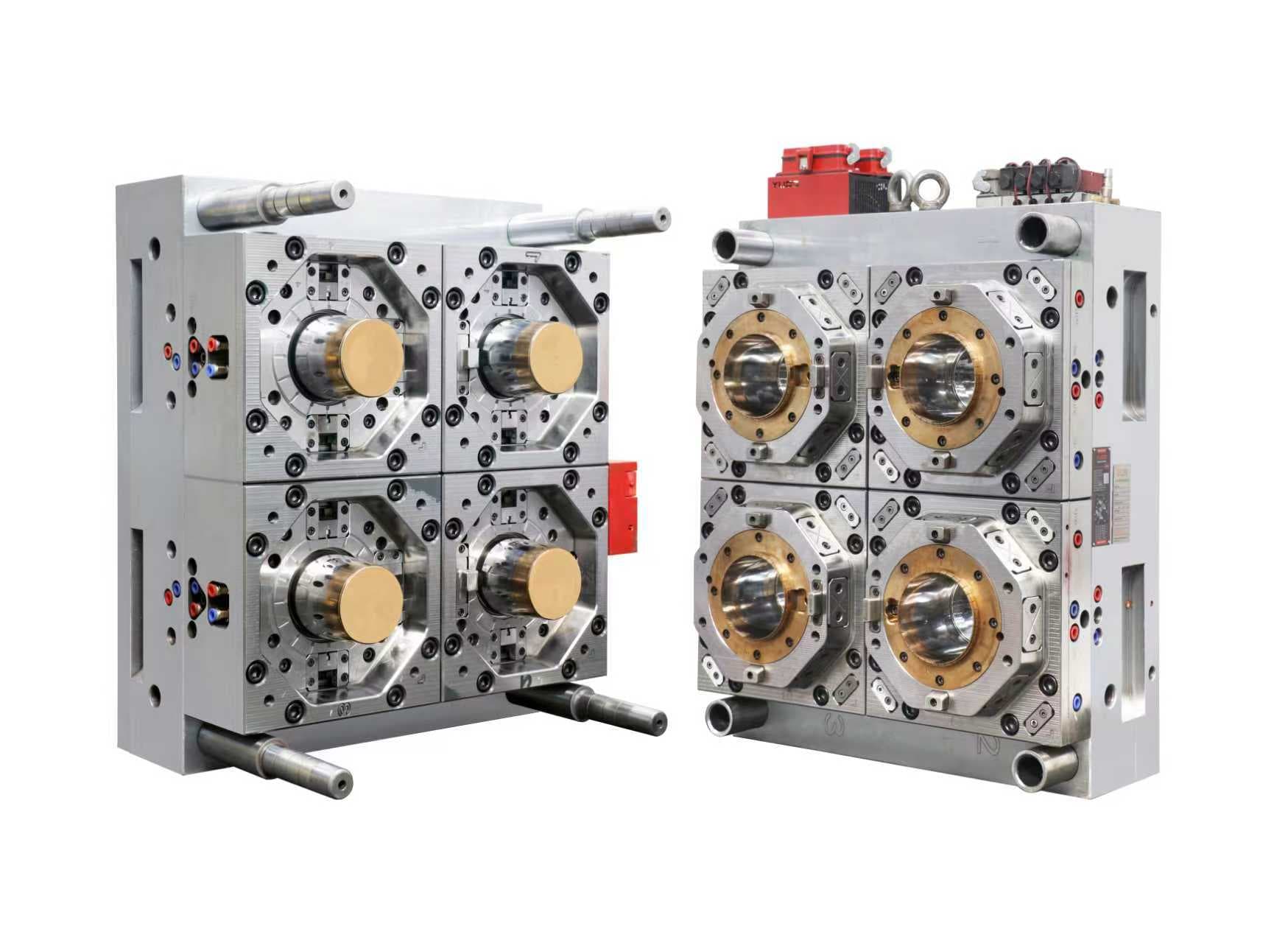
For water and other taste-sensitive beverages, acetaldehyde (AA) is a packaging-system concern rather than a single mould setting. The PET grade, drying history, melt residence time, hot-runner condition, preform design, machine process and blowing or filling programme can all influence the result. A buyer should define the product requirement and the evidence required at each project stage, rather than asking a mould supplier to guarantee a number without a documented test method.
Set the AA Validation Boundary
Begin with the approved preform, bottle and beverage application. Record the PET grade, colour or additive package, neck finish, preform mass, target output and whether the brand or receiving plant has a defined AA limit and test protocol. State which party owns each condition. The mould supplier can document tooling and trial conditions; the converter and brand owner remain responsible for final package qualification with their actual material, process and beverage.
| Validation item | Buyer decision | Evidence to retain |
|---|---|---|
| Product requirement | Application, sensory risk and approved limit or reference | Product specification and test method |
| Material condition | PET grade, lot, drying and handling boundary | Resin certificate and dryer record |
| Moulding condition | Machine, barrel and hot-runner settings, cycle and cooling | Stable-process trial sheet |
| Cavity coverage | Sampling plan and cavity identification | Cavity map and labelled samples |
| Release decision | Test owner, laboratory method and action for deviations | Test report and corrective-action log |
Define the Inputs Before Factory Trial
Keep AA claims tied to a documented method
An AA value is useful only when the sample preparation, conditioning, test method and reporting unit are agreed. Do not compare values from different laboratories, bottle ages or process conditions as if they prove the same result. If a brand has a sensory or analytical requirement, provide that requirement before tooling trial and identify whether the supplier, processor or an independent laboratory will test it.
Review the production interfaces
Ask for the intended PET grade and processing window, not a generic promise of “low AA.” Review preform weight and wall distribution, expected residence time, hot-runner configuration, start-up and shutdown practice, cooling, take-out and storage. The buyer does not need to prescribe machine settings, but should make sure the factory trial records the conditions used so the receiving plant can make a meaningful comparison.
Run a Traceable Trial and Sampling Plan
Stabilise the documented process before samples are collected. Record the mould revision, machine, resin lot, dryer condition, barrel and hot-runner settings, cycle time, cooling condition and handling method. Keep samples identified by cavity or by the agreed representative plan. Retain parts for visual, dimensional and weight checks alongside any AA testing, because an analytical result without traceability cannot reliably guide a correction.
Treat deviations as an investigation, not a quick setting change
If a result is outside the agreed boundary, preserve the process record and sample identity before changing conditions. Confirm the material, drying, residence time, temperature history, cavity pattern and test preparation. A controlled repeat trial is more useful than a single adjusted sample because it reveals whether the change is repeatable and who owns the next action.
Carry the Evidence Into Commissioning
Before shipment, request the cavity map, trial report, process record, sample labels, inspection results, AA test report where included in scope, and any open-action list. At the receiving plant, repeat the agreed checks with the production PET, dryer, injection machine, cooling water, take-out and storage conditions. If the local material, line configuration or beverage programme differs from the factory trial, plan a separate package qualification instead of assuming the mould FAT transfers unchanged.
Conclusion
AA control is most useful when it connects a clear product requirement with recorded material and processing conditions. A buyer who defines the testing boundary, requests cavity-level traceability and repeats critical checks at commissioning can accept the mould on practical evidence while keeping final beverage approval with the correct owner.
Frequently asked questions
Can a PET preform mould supplier guarantee the final AA level in every beverage bottle?
No. The mould supplier can document performance under agreed trial conditions, but final AA behaviour depends on PET, drying, machine process, blowing, filling, storage and the beverage programme. Final package approval belongs to the responsible converter and brand owner.
What should be agreed before comparing AA test results?
Agree the sample type, conditioning and age, analytical method, reporting unit, laboratory, acceptance boundary and responsibility for the result. Without those controls, two numbers may not be comparable.
Why should samples be identified by cavity?
Cavity identity helps the team investigate a local hot-runner, cooling, filling or handling condition. Mixed samples can hide a pattern that needs a targeted correction.
What should be repeated at the receiving plant?
Repeat the agreed material, process, visual, dimensional and analytical checks under the actual local dryer, injection machine, utilities, take-out and storage conditions, then document differences from the factory trial.
Talk to a mould engineer
Request an AA-control review: Send your preform and bottle drawings, beverage application, PET grade, target cavity count, injection-machine details and available test requirement for a practical validation discussion.
Get a Quote →