
Plastic Cap Moulds · 9 min read
Published: September 29, 2026
Best Hot Runner Systems for High-Cavity Cap Molds: A Buyer Comparison
Compare high-cavity cap-mould hot runner proposals by configuration, validation evidence, service and maintenance—not brand name alone.
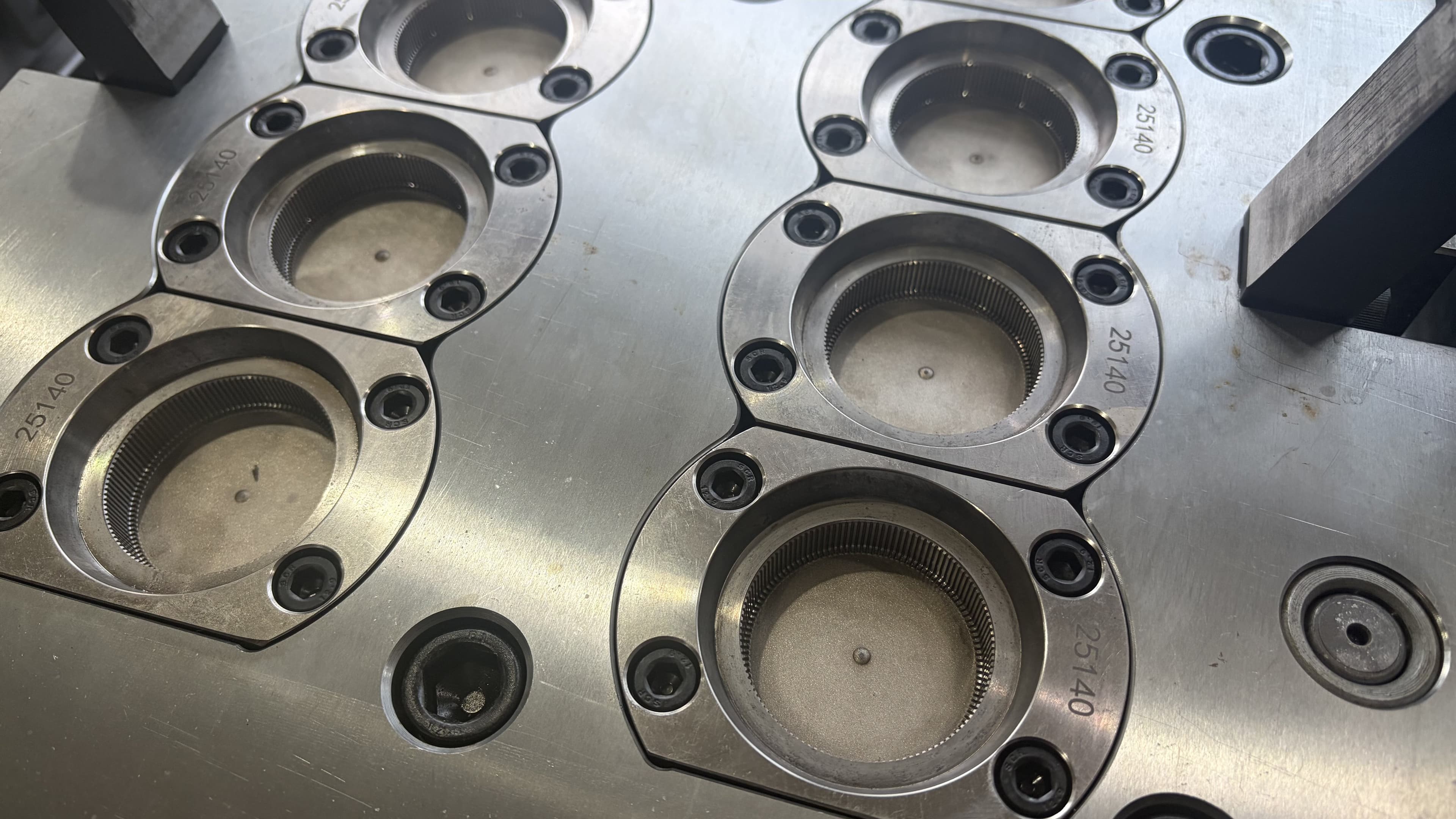
For a high-cavity cap mould, a hot runner is part of the production system rather than an interchangeable accessory. It affects melt balance, gate condition, start-up, colour change, maintenance, controller compatibility and downtime risk. The best choice depends on the cap, resin, cavity layout and local support—not simply the brand name.
This buyer guide discusses SURE, MODO, YUDO, Husky, Mold-Masters and Mastip as brands that buyers may include in an injection-moulding RFQ. It does not rank them universally or claim that every product family is suitable for every cap.
What High-Cavity Cap Moulds Need
High-cavity PP or HDPE closures typically place priority on balanced filling, stable gate temperature, repeatable cap weight, fast changeover, accessible maintenance and documented electrical interfaces. The review should also include nozzle pitch, manifold arrangement, gate style, temperature zones, controller, wiring, spare components and support route.
Mold-Masters and Husky offer closure-oriented system families; YUDO, Mastip, SURE and MODO can also be considered where their available nozzle, manifold, controller and support configuration fits the project. Brand information is only a starting point: the final specification must be supplied and validated for the actual cap mould, resin and production cell.
Brand Comparison Framework
| Brand | Buyer review focus |
|---|---|
| SURE | proposed nozzle/manifold scope, controller compatibility, spare-part identification and local service route |
| MODO | available cap-mould configuration, nozzle pitch, thermal-control proposal and maintenance documentation |
| YUDO | nozzle/manifold selection, controller package and local technical support |
| Husky | compatibility with the proposed closure production system, hot-runner scope and support model |
| Mold-Masters | cap-and-closure configuration, controller interface, local service and spares |
| Mastip | nozzle/manifold proposal, thermal-control package, service accessibility and spares |
The table is a sourcing framework, not a performance ranking. Product range and service availability vary by region and project.
Questions That Matter More Than the Nameplate
Gate style and cap geometry
The gate must work with the closure’s appearance, functional area and process window. Review gate vestige, cooling access, resin sensitivity and cap weight. A gate that appears acceptable in a short trial may require a different approach for sustained output.
Melt balance and cavity consistency
Ask how the proposed manifold and nozzles are balanced for the resin, shot weight and cavity layout. Factory testing should include samples from identified cavities and document any weight or visual checks agreed in the acceptance plan.
Controller, wiring and installation
Confirm voltage, plug type, zone count, thermocouple and heater arrangement, controller responsibility and diagnostic approach. These details should be in the mould documentation and checked before shipment.
Maintenance and spares
Ask for a recommended spare-parts list, part references, service procedures and lead-time route. High-cavity production is sensitive to a single unavailable heater, thermocouple, nozzle component or connector.
Avoid a Brand-Only RFQ
“Use Brand X” is not a complete technical scope. A useful RFQ states the cap drawing, resin, cavity count, target production plan, injection machine, controller requirements, preferred gate concept, local service constraints and acceptance evidence. The hot-runner supplier and mould maker can then coordinate a configuration that fits the full tooling stack.
Factory Test and Shipment Inspection
Agree the evidence before manufacture: documented heating and cooling operation, samples across cavities, gate and visual checks, controller communication where relevant, and a list of open points. At shipment, verify labels, electrical connections, supplied spares, manuals, preservation and packing photos.
Frequently asked questions
Which hot runner brand is best for a 96-cavity cap mould?
There is no universal answer. Compare the available configuration for your cap, resin, cavity pitch, machine, service region and maintenance plan.
Can a cap mould use any hot-runner controller?
Only if the heater, thermocouple, voltage, connectors and zone arrangement are compatible. Confirm the system as a package.
What should be tested at the factory?
Review stable heating, balanced samples, gate quality, operating records and the agreed functional checks under documented trial conditions.
Talk to a mould engineer
Request a hot-runner review: Send your cap drawing, resin, cavity count and injection-machine details for a configuration-focused proposal.
Get a Quote →