
Mould Procurement · 12 min read
Published: September 29, 2026
How to Compare Packaging Mould Quotations: A Buyer’s Scope Checklist
A mould quotation is a scope document, not only a price. Use this buyer checklist to compare technical content, testing, exclusions and delivery responsibilities before releasing a purchase order.
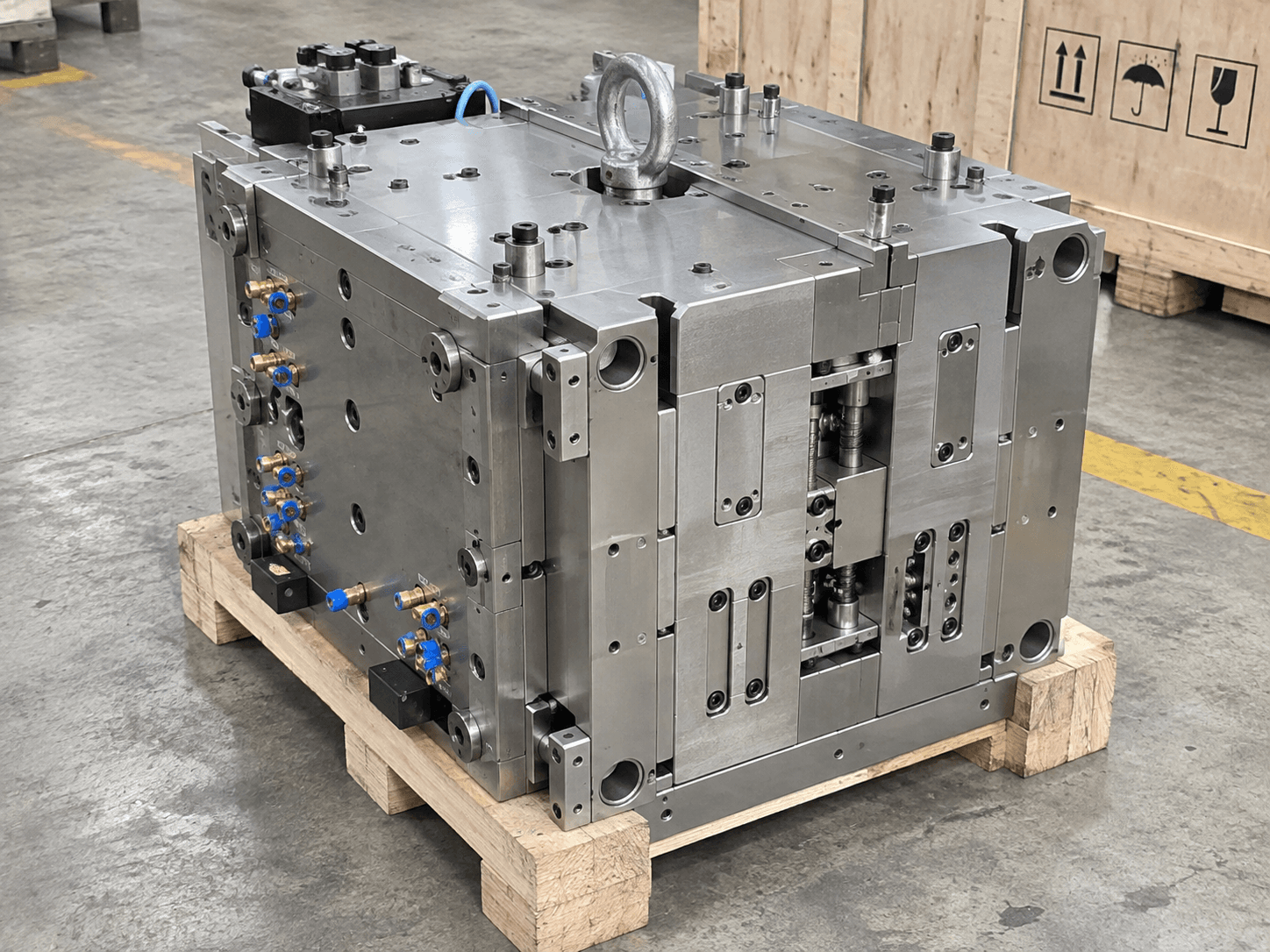
When two packaging mould quotations show very different prices, the difference is rarely explained by “one supplier is expensive” and another is cheap. A mould quotation is a scope document. It may include—or omit—engineering work, steel grade, cavity count, hot runner configuration, trial support, gauges, spare parts, export packing, installation preparation and after-sales documentation.
For a buyer sourcing a PET preform mould, plastic cap mould, bucket mould or related injection tooling, comparing only the final figure is risky. A lower number can be valid when the project is genuinely simpler. It can also be caused by a different material scope, a smaller spare-parts package, fewer trial requirements or an unspecified acceptance process.
The practical goal is not to force every supplier into an identical template. It is to convert each quotation into a comparable technical and commercial scope before a purchase order is released.
Start With One Controlled RFQ Package
Use a single revision of the product requirement
Send every supplier the same controlled package:
- Product drawing and revision number
- Resin type and any recycled-content requirement
- Expected annual output or daily production target
- Final application: water, beverage, edible oil, detergent, food container or other use
- Existing injection machine information
- Cap, bottle, label, handle or downstream assembly interfaces
- Required country of destination and shipment terms
- Required trial, sample, inspection and acceptance evidence
If the buyer sends different versions of a bottle drawing or cap sample to different suppliers, the resulting quotations cannot be compared fairly. A supplier may price an earlier neck finish, a different product weight or an assumed cavity arrangement.
Do not compare nominal dimensions alone
“28 mm cap mould” or “20 L bucket mould” is not a complete specification. For closures, the thread profile, sealing land, tamper-evident band, hinge and capper interface matter. For buckets and food containers, lid fit, handle interface, stack load, decoration requirements and resin all affect design decisions.
A useful RFQ line states both the part and the operating context. For example:
> 28 mm beverage cap for a specified neck finish, PP resin, target annual output, automatic take-out requirement, existing injection machine model and required factory trial evidence.
This prevents suppliers from pricing visually similar but functionally different products.
Compare the Quotations by Scope, Not by Page Count
1. Product and cavity definition
Check whether each quotation clearly states:
- Product name and drawing revision
- Cavity count
- Cavity layout
- Mould opening direction and ejection concept
- Product weight or target dimensional requirement
- Expected machine size or platen interface
A quotation that says only “48-cavity mould” leaves too much room for interpretation. The buyer should know whether it refers to 48 finished parts per cycle, 48 cavity inserts, or an assumed configuration that depends on a specific machine.
2. Cavity, core and mould-base materials
Steel names should be tied to the relevant component, not listed as marketing language. Ask which material applies to:
- Cavity inserts
- Core inserts
- Neck rings or thread components
- Slides, lifters and wear plates
- Mould base
- Critical cooling components
It is reasonable for suppliers to propose alternatives based on resin, corrosion risk, production volume and finish requirement. The key is that the quoted steel scope is visible and comparable. “High-quality steel” is not a technical specification.
3. Hot runner and temperature-control scope
For cap and preform moulds, ask whether the quote includes:
- Hot-runner brand and manifold configuration
- Number of zones or nozzles
- Controller inclusion or exclusion
- Wiring, connector and voltage requirements
- Valve-gate or open-gate arrangement
- Start-up support and spare heaters or thermocouples
The buyer does not need to prescribe a brand prematurely. However, a quotation should make clear whether the hot runner is included, what support interface is required and which components are expected to be supplied with the mould.
Compare Trial and Acceptance Commitments
Factory testing is not one photograph of one acceptable part
A useful factory trial should record the conditions under which samples were produced. Depending on the project, ask for:
- Injection machine model and relevant setup information
- Resin used for the trial
- Sample quantity and cavity identification
- Cycle-time observation where agreed
- Visual inspection notes
- Critical-dimensional inspection results
- Assembly or fit test with mating components
- Open points, corrections and repeat-trial status
Do not invent a universal cycle-time target or tolerance. Those values should come from the approved drawing, resin behaviour, machine capability and buyer’s product application.
Require an acceptance path before production begins
The purchase order should distinguish between:
- Design approval
- Factory trial approval
- Shipment inspection approval
- Site installation and production handover
This matters because some items can be confirmed at the toolmaker’s factory, while others depend on the buyer’s local machine, water system, controller, automation or capper.
For shipment inspection, request evidence of the mould condition, accessories, spare parts, markings, preservation treatment and crate closure. This creates a record before the tool leaves the factory.
Identify What Is Excluded
Many disputes come from exclusions that were technically important but commercially invisible. Ask suppliers to state exclusions for:
- Injection machine and auxiliaries
- Hot-runner controller
- Chiller, air compressor or robot
- Gauges and inspection fixtures
- Cap, bottle, handle or lid samples
- Site installation
- Freight, customs charges and insurance
- Spare parts beyond the listed package
- Additional trial resin or colour masterbatch
An exclusion is not automatically a problem. An undisclosed exclusion is.
Frequently asked questions
Why can two mould quotes differ even when cavity count is the same?
Cavity count is only one design input. Differences can come from steel allocation, cooling design, hot-runner scope, components, automation interface, trial requirements, documentation, spares and delivery responsibility.
Should a buyer always choose the highest-specification steel?
Not necessarily. Material selection should match the resin, corrosion exposure, product finish, anticipated production volume and maintenance plan. The buyer should request a component-level proposal and compare its operational logic.
Can factory approval replace site acceptance?
No. Factory testing validates the mould under agreed trial conditions. Site acceptance confirms the mould works with the buyer’s machine, utilities, resin handling and downstream production environment.
Talk to a mould engineer
Get a Quote: Planning a new packaging mould project? Send your drawing, resin, cavity target and machine information for a structured quotation review.
Get a Quote →