
Plastic Bucket Moulds · 12 min read
Published: October 3, 2026
Plastic Bucket Lid Fit and Stacking Validation: A Buyer Guide
Define bucket, lid and stacking performance as one measurable packaging programme before tooling approval.
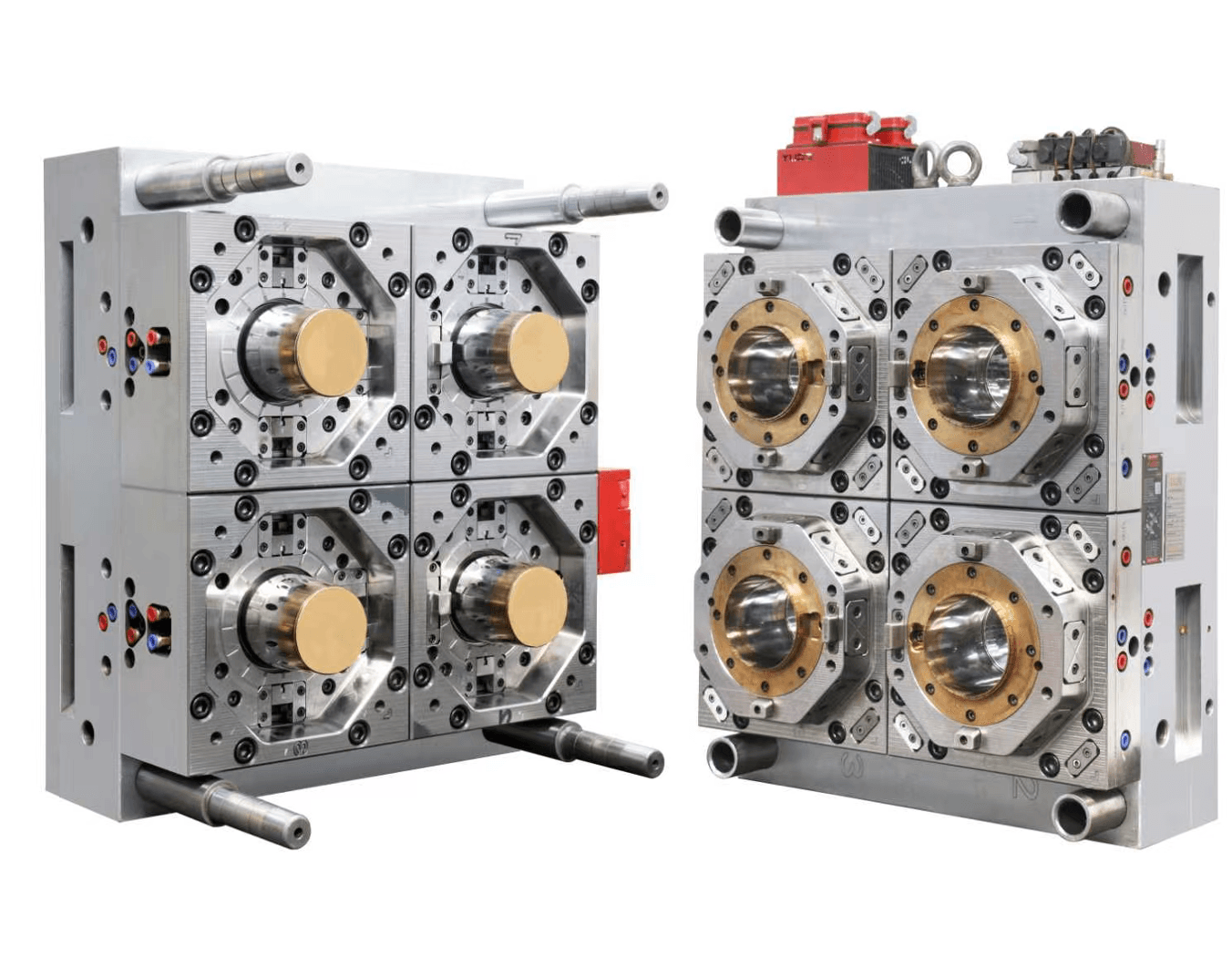
A bucket can look excellent beside the injection machine and still fail in the distribution chain. The lid may need excessive force to close, the rim may lose its seal after filling, or the stack may lean when filled pails are stored. These are packaging-system questions. The bucket mould, lid mould, chosen resin, filling process and handling conditions all contribute to the result.
This buyer guide turns lid fit and stacking into clear requirements for mould design review, factory acceptance and commissioning. It is relevant to food, paint, household and other nonhazardous packaging programmes. If a package will contain regulated or hazardous goods, obtain the applicable product-specific test and certification requirements before approving tooling; a generic mould trial cannot establish regulatory compliance.
Define the Finished Package Before Tooling
The first document should describe the filled package, not merely an empty bucket. Share approved revisions of bucket and lid drawings, mating samples if available, target resin grades, nominal fill and maximum shipping mass, filling temperature, closure method, pallet or shelf arrangement, intended storage duration and handling environment. Identify the people who own the packaging specification and test decision.
The drawing should mark the rim, lid engagement, sealing area, base ring and stacking features that require measured control. If a handle, gasket or tamper feature affects the package, include its drawing and assembly sequence. State whether stacking occurs with empty buckets, filled closed buckets, or both; those are different tests.
| Buyer input | Decision it supports | Evidence to request |
|---|---|---|
| Bucket and lid revisions with samples | Mating geometry and change control | Drawing approval and sample IDs |
| Resin, fill mass and filling condition | Test configuration and material response | Material and fill record |
| Closure method and equipment | Lid engagement under real handling | Application method and observations |
| Stack height, duration and environment | Relevant compression or storage trial | Written test plan and results |
| Injection machine and output target | Tool configuration and trial conditions | Machine interface and trial log |
Do not copy a closure force or stack load from a different pail size. The package owner should set the acceptance method and limits for the actual product. ASTM D4504 describes closure, drop and stacking performance for a defined class of molded polyethylene open-head pails used with nonhazardous goods; it is a useful reference only when its scope matches the project. ISTA's compression guidance likewise relates load to the intended stack configuration. Neither source supplies a universal pass value for every bucket design.
Make the Rim and Lid a Shared Design Review
Inspect the engagement geometry
The rim and lid form a mechanical interface. Their dimensions and flexibility influence snap engagement, retention, opening behaviour and sealing. Agree which drawing dimensions are critical, how they are measured, and which party owns any change to the mating design. A production lid from an old revision should not be silently used to approve a new bucket mould.
Ask the supplier to show how cavity, core, inserts, cooling and ejection will preserve the rim shape. Warpage or ovality can create a fit problem even when a few local dimensions appear correct. Record the orientation and measurement condition of samples; hot parts and conditioned parts are not directly comparable.
Examine sealing under application conditions
A dry snap check is useful but limited. If leakage matters, define fill medium or a safe surrogate, fill level, closing method, orientation, conditioning time and observation method. The package owner should approve the exact leak or seal test. A lid that seals on a hand-closed empty bucket may behave differently after a high-speed closing process or warm filling.
Differentiate a tooling observation from a whole-package result. If a leak appears, inspect the rim and lid revisions, local defects, closure application, material and conditioning before assigning cause. Keep defective and passing samples with their cavity or mould identification where feasible.
Specify a Stacking Test That Matches Distribution
Define what will actually be stacked
An empty nested bucket, a filled closed pail and a pallet of packaged goods create different load paths. Specify the intended number of layers, pallet pattern, support surface, package mass, storage duration and expected temperature range. The buyer's logistics and quality teams should decide whether a laboratory compression test, a real-stack observation or another procedure is appropriate.
Record the condition of the package before and after the trial: lid engagement, rim and base deformation, stack lean, visible cracking, leakage and ability to open or reclose if relevant. State the measurement points and acceptance limits in advance. Avoid describing one short demonstration as proof of long-term storage performance.
Separate mould FAT from package qualification
The supplier may be able to produce and sample parts at FAT, then perform an agreed fit or short stack demonstration. Full distribution qualification may require filled packages, production lids, conditioning and equipment at the buyer's plant or an independent laboratory. Put ownership, samples and timing in the purchase specification. Mark tests not performed at FAT as open items, not passes.
Design the Factory Acceptance Plan
Before trial, agree the machine, resin, part revision, cavity count, cycle observation, sample size and cavity identification method. Inspect both bucket and lid samples across the mould layout, not only the best-looking units. Where bucket and lid are made on different tools, record which tool and revision produced each mating sample.
Record dimensions and function together
A useful report links rim and lid measurements to actual assembly observations. Include closure effort or method, visual condition, sealing observations if specified, and any stacking trial actually completed. Photos and video can support the record but cannot replace identified samples or measurement sheets.
If the trial reveals a repeatable defect, log the affected cavities, conditions, suspected cause, corrective action and retest. The buyer should distinguish a measured improvement from a process adjustment that only hides the symptom under one trial condition.
Inspect the complete mould scope
Review cooling connections, ejection, moving components, water leaks, control interfaces and maintenance access. Check that the supplier's spare-part list covers the agreed wear items. Record any automation, label or take-out interface that affects rim handling after ejection. These checks matter because a damaged or distorted bucket after mould opening can compromise a sound cavity design.
Prepare Shipment and Site Commissioning
Before shipment, obtain final approved drawings, trial and inspection records, connection diagrams, spare-part references, operating instructions and packing photographs. Confirm protected sealing and moulding surfaces, marked lifting points and the agreed rust-prevention method. The receiving team needs the same revision and sample IDs that were used at FAT.
At the receiving factory, verify injection-machine fit, water quality and flow, resin preparation, take-out handling and the actual lid application equipment. Repeat critical rim and lid checks under a stable production condition. Then perform the package tests assigned to site qualification with the real fill and distribution configuration. Record differences from FAT rather than treating them as unexplained tool failure.
Conclusion
Reliable bucket packaging starts with a shared specification for bucket, lid, fill and distribution. Define the rim and closure measurements, choose a relevant stacking plan, identify every trial sample, and record which package tests remain for site qualification. That evidence gives buyers a fair basis for accepting the mould and diagnosing problems after installation.
Frequently asked questions
Can a factory fit check approve the whole package?
It provides evidence for the tested bucket and lid revisions under the documented condition. Filled-package leakage, storage and transport performance need the tests specified for the actual application.
Why can two parts within drawing tolerance fit poorly?
Fit depends on the combination of bucket and lid geometry, their variation, material stiffness, conditioning and application method. Review the measured mating pair and test condition, not isolated dimensions alone.
Does a higher cavity count make lid fit harder to control?
More cavities increase the importance of cavity identification, cooling consistency and sampling coverage. The practical question is whether the supplier can demonstrate stable parts across the proposed layout.
Should stacking be tested with empty or filled buckets?
Use the state that represents the distribution risk. Empty nesting and filled closed stacking are different conditions; a programme may require both if both occur in its supply chain.
Talk to a mould engineer
Request a bucket and lid validation review: Send the approved bucket and lid drawings, resin, filling weight, stacking conditions and injection-machine details for a practical test and tooling plan.
Get a Quote →