
PET Preform Moulds · 11 min read
Published: September 29, 2026
PET Neck Finish and Cap Compatibility: What to Confirm Before Tooling Starts
The bottle neck connects preform tooling, cap tooling and the filling line. This guide identifies the interface details buyers should confirm before mould manufacture starts.
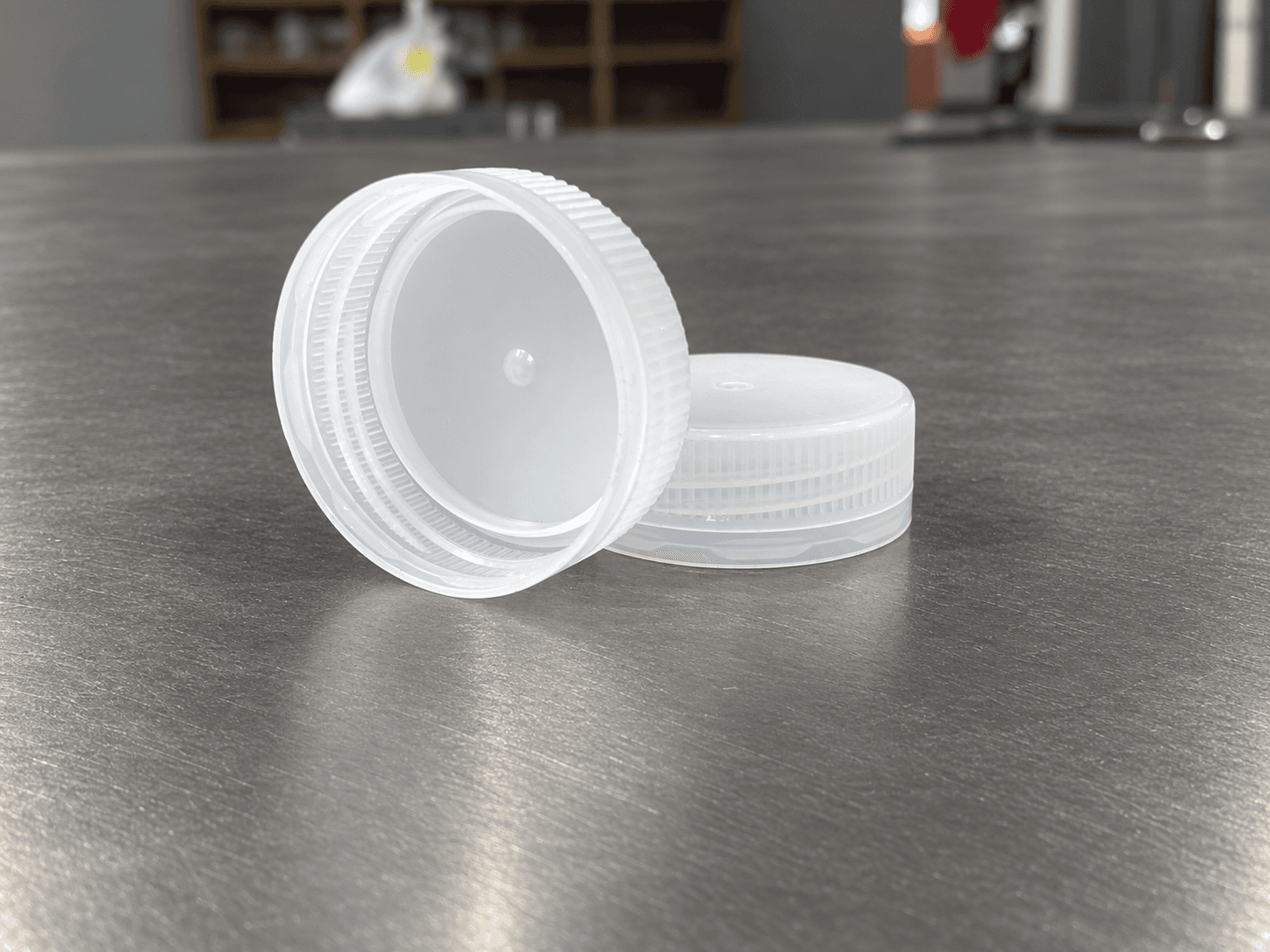
A bottle neck is a small part of a package, but it connects several production systems: the PET preform mould, blow mould, cap mould, capping machine, filler, inspection equipment and consumer opening experience.
Problems at this interface can appear late. A preform may blow correctly but not work reliably with the intended closure. A cap may fit one drawing revision but show leakage, poor tamper-band performance or unstable application torque on the real line. Once hardened mould components have been machined, changing a neck finish or thread profile is no longer a simple drawing update.
The right approach is to confirm the full closure system before tooling design is released.
Define the Interface as a System
Confirm the latest bottle and cap drawings
A controlled interface package should include:
- PET preform neck-finish drawing
- Cap drawing and section view
- Thread profile and start position where applicable
- Sealing surface and plug or liner detail
- Tamper-evident band arrangement
- Bottle support-ring information
- Cap application direction and target production environment
- Physical reference samples where available
Nominal diameter alone is not enough. Two finishes described as “28 mm” can differ in thread form, height, sealing geometry, support-ring position and capper requirements.
Establish which document controls the design
Choose one approved revision as the controlling engineering record. If the cap supplier, bottle designer and mould supplier use different revisions, a successful trial becomes difficult to interpret.
When changes are necessary, log them explicitly. A revised cap skirt, altered band bridge or new sealing plug may require review across the preform mould, cap mould and filling line.
Review the Closure Function Before Choosing Tooling Details
Sealing performance
The cap and neck must create the intended seal under the actual product application. The relevant questions depend on the package:
- Is the product carbonated, hot-filled, oily, acidic or dry?
- Does the closure use a plug seal, liner, compression ring or other feature?
- Which surfaces create the seal?
- What leak test or pressure test is relevant to the buyer’s line?
- Are there storage, transport or temperature conditions that affect the package?
A supplier should not promise leakage performance without an agreed test method. The buyer and packaging engineer should define what is being evaluated: dimensional fit, application torque, removal torque, pressure retention, inversion test, product compatibility or another documented method.
Tamper evidence and opening performance
For beverage and edible-oil closures, tamper evidence is part of the product function, not decoration. Confirm:
- Band bridge arrangement
- Break force or opening expectation if specified
- Neck-transfer bead compatibility
- Hinge and tether operation where applicable
- Consumer opening and resealing requirements
- Inspection criteria for broken bridges, band separation or deformation
For tethered caps, the geometry must satisfy the intended retention function while remaining compatible with moulding, ejection, cap application and downstream handling.
Match the Interface to the Production Equipment
Injection moulding
The preform mould and cap mould require different technical inputs, but both must follow the approved interface. Confirm:
- Injection machine model, platen dimensions and nozzle interface
- Cavity target and expected output
- Resin grade and colour requirement
- Hot-runner and controller arrangement
- Cooling-water availability and quality
- Automation, take-out and cavity-identification requirements
A high-cavity mould magnifies small variation. If one cavity produces a small difference in thread or sealing geometry, that difference is repeated across the production cycle. Factory testing should therefore include cavity-aware sampling where the project requires it.
Blow moulding, filling and capping
The preform neck must also work beyond injection moulding. Ask the buyer to provide:
- Blow-moulding machine information
- Neck-holder and transfer details
- Filler and capper manufacturer/model if available
- Capper head or chuck format
- Existing line samples
- Target line speed and inspection arrangement
Installation preparation becomes more reliable when this information is collected before the mould is designed, rather than after shipment.
Validate the Right Things at Factory Trial
Factory testing can provide useful evidence, but it must be matched to the available equipment. A cap-mould trial may demonstrate cap geometry, cavity consistency and assembly with supplied bottle or neck samples. A preform-mould trial may demonstrate neck dimensions, appearance, weight consistency and compatibility with the approved closure sample.
A practical trial record can include:
- Tool and drawing revision
- Trial resin and colour
- Machine and controller information
- Sample identification by cavity when necessary
- Measured critical dimensions
- Fit or assembly observations
- Photographs of relevant inspection points
- Open issues and agreed corrective action
This is more useful than a generic statement that “samples are good.”
Shipment Inspection and Site Readiness
Before shipment, the buyer should receive the agreed mould documentation, trial records, packing list and spare-parts list. Site readiness should be discussed separately:
- Correct electrical supply and connector type
- Cooling-water connections
- Controller and communication interface
- Lifting and installation access
- Trial resin and colour masterbatch
- Downstream capper or blow-moulding equipment availability
- Operators and maintenance personnel for handover
A mould can be ready for shipment while the receiving line is not yet ready for production. Keeping these stages separate avoids unrealistic expectations.
Frequently asked questions
Can a PET neck finish be changed after the preform mould is built?
Sometimes inserts or selected components can be modified, but the feasibility depends on the amount of geometry change and the existing design. Buyers should assume that late changes create cost, timing and validation risk.
Is a cap sample enough to start tooling?
A physical sample is useful, but it should be paired with the latest controlled drawing and information about the product application and line equipment.
Do cap and preform moulds need to come from the same supplier?
Not always. They do need a controlled interface package, agreed reference samples and a defined validation process. Good documentation is especially important when multiple suppliers are involved.
Talk to a mould engineer
Send Your Requirements: Share your bottle, closure and neck-finish information for a pre-tooling compatibility review.
Get a Quote →