
PET Preform Moulds · 11 min read
Published: October 13, 2026
PET Preform Mould Regrind and Material Traceability: A Buyer Validation Guide
Turn PET regrind from an informal production adjustment into a documented material-control and acceptance plan for every preform cavity.
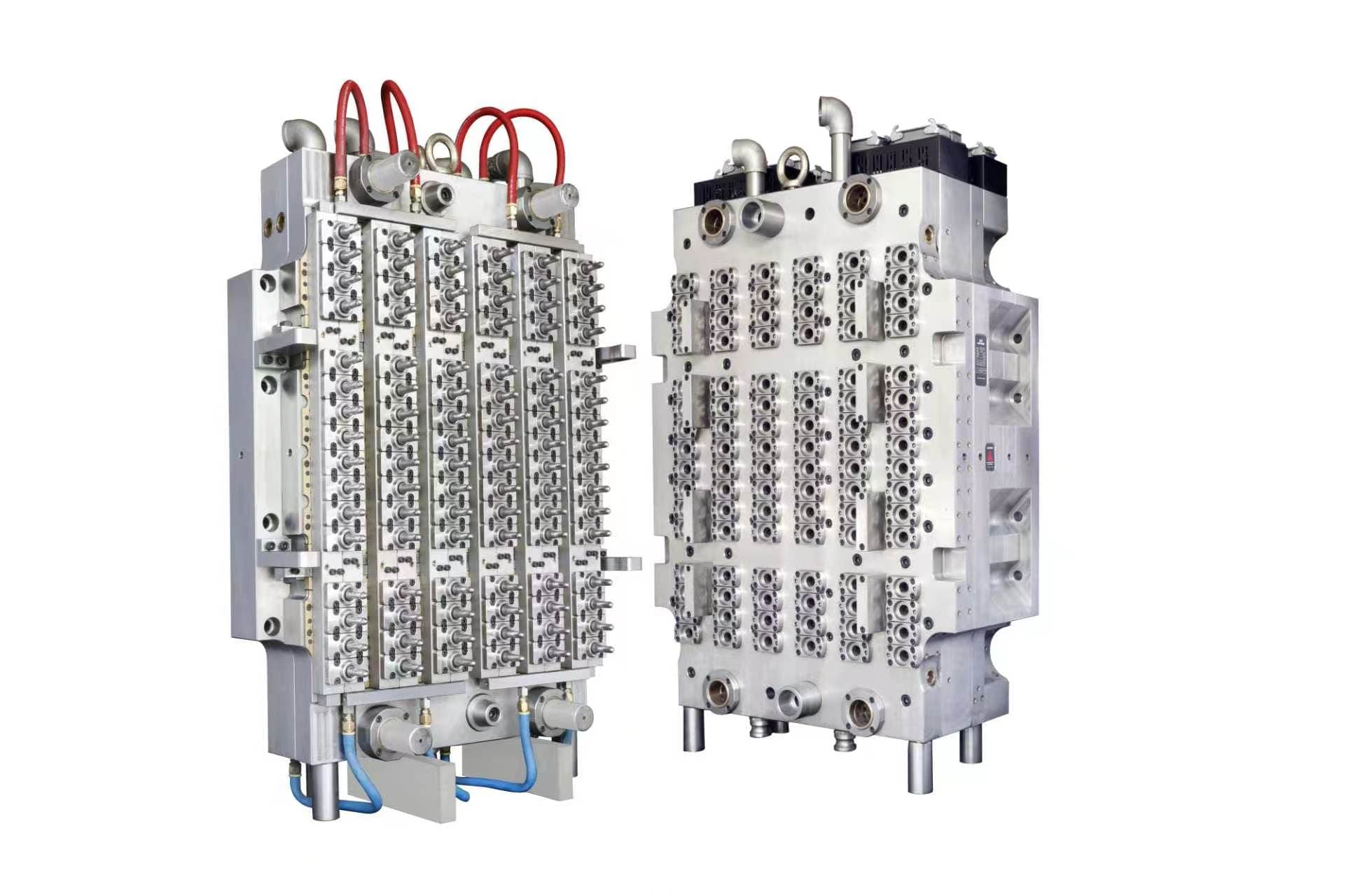
PET regrind can affect a preform programme long before a bottle reaches the filling line. The buyer should not treat it as a blanket percentage or a supplier promise. Define the approved resin, source and condition of any regrind, where it may be introduced, which quality checks apply, and how samples remain traceable to a cavity and trial condition. This keeps material policy, mould acceptance and site commissioning connected.
Define the Material-Control Boundary
Start with the approved PET grade, food-contact or regulatory obligations where applicable, colour specification, additives and the intended use of the bottle. State whether regrind is prohibited, allowed only from identified internal sprues or runners, or subject to a separately approved operating window. A preform mould supplier can demonstrate tool performance under a documented trial condition; the processor and brand owner must own the material policy and final package approval.
| Control point | Buyer decision | Evidence to retain |
|---|---|---|
| Virgin PET | Approved grade, supplier and lot identification | Resin certificate and trial log |
| Regrind source | Permitted internal source and segregation rule | Material-flow diagram and batch record |
| Conditioning | Drying, handling and contamination controls | Dryer and process record |
| Cavity traceability | Method to identify samples from every cavity | Cavity map and labelled samples |
| Release decision | Tests, owner and disposition of nonconforming parts | Inspection report and action log |
Specify Regrind Before the Trial
Separate material policy from mould capability
Do not use a mould FAT to imply that every PET stream or recycled-content target is approved. The same tool can perform differently when resin grade, intrinsic viscosity, colour, moisture history, contamination risk, drying or machine condition changes. Ask the supplier to disclose the material and process used for the trial, then compare that condition with the receiving factory's intended material plan.
Make the material flow auditable
Document where rejected parts, start-up pieces, sprues or runners go after grinding. Prevent mixed resin, unknown colour transitions and uncontrolled returns from entering the production hopper. Define who releases a regrind batch, how it is labelled, and when it must be held. Traceability must still work when multiple shifts, storage bins or mould cavities are involved.
Run a Cavity-Level Acceptance Trial
Stabilise the documented process before collecting samples. Record the mould revision, machine, resin lot, drying condition, regrind condition, hot-runner and barrel settings, cycle time, cooling condition and take-out method. Retain labelled samples from every active cavity at start-up and after stable production. Inspect the agreed characteristics such as weight, gate condition, neck dimensions, wall distribution, appearance and contamination signs.
Use a comparison plan, not a single sample
If the programme permits regrind, agree whether the FAT compares virgin PET and the proposed controlled condition. Keep the comparison purpose explicit: it is evidence for a defined material condition, not a universal guarantee. Any difference must be assigned to a documented cause and closed with a controlled retest rather than hidden by mixing samples.
Transfer the Controls to the Receiving Plant
Before shipment, request the cavity map, trial material log, process record, sample identification, inspection results and open-action list. At installation, repeat the critical checks with the planned PET, dryer, injection machine, cooling water and handling system. If the receiving site uses a different resin source, recycled-content programme or production condition, treat that as a planned qualification step rather than assuming factory results transfer unchanged.
Conclusion
PET regrind is a material-control question as well as a moulding question. A clear boundary, cavity-level sampling and traceable trial records allow buyers to accept the mould on honest evidence while preserving the brand owner's responsibility for the final packaging programme.
Frequently asked questions
Can a PET preform mould FAT approve any regrind percentage?
No. A FAT can document performance under one agreed material condition. The permitted regrind content and final package approval belong to the buyer's product, regulatory and processing requirements.
Why identify samples by cavity?
One cavity can show a local gate, cooling, venting or handling condition that is hidden when parts are mixed. Cavity identification makes investigation and retesting possible.
Is internal runner regrind the same as purchased recycled PET?
No. Their source, history, contamination control and qualification requirements can differ. Define each material stream separately instead of treating both as one category.
What should be repeated during commissioning?
Repeat the agreed visual and dimensional checks under the receiving plant's resin, drying, machine, water and handling conditions, then record any differences from the factory trial.
Talk to a mould engineer
Request a PET material-control review: Send your preform drawing, PET grade, permitted regrind policy, cavity target and injection-machine details for a practical material-control review.
Get a Quote →