
PET Preform Moulds · 9 min read
Published: October 15, 2026
PET Preform Mould Drying and Resin Moisture: A Buyer Validation Guide
Use documented PET drying conditions, stable trial evidence and site commissioning checks to make preform-mould acceptance practical.
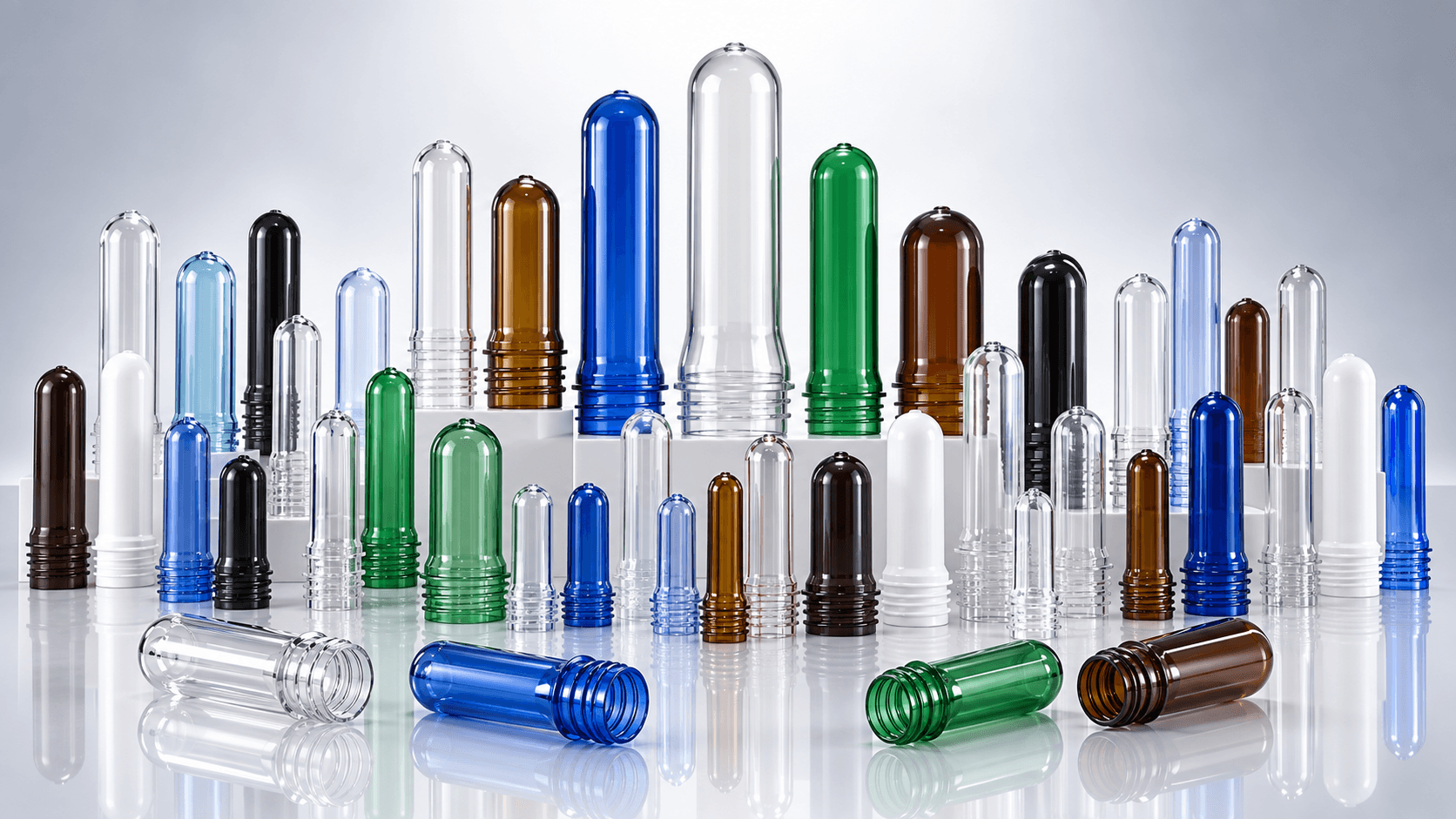
PET drying is a production-system condition, not a promise that belongs to the mould alone. Resin grade, storage, conveying, dryer performance, residence time and the injection process all affect the material presented to a PET preform mould. Before acceptance, a buyer should define what is recorded, who owns the measurement, and which conditions must be repeated at the receiving plant.
Set a Practical Drying Boundary
Start with the approved PET grade and supplier guidance. Record the resin lot, storage condition, dryer type, target dew point, drying temperature, residence time and transfer path to the machine. The buyer should not prescribe an unsupported moisture number; instead, the project team should agree the applicable material requirement, measuring method and responsibility for the record.
| Control point | What to agree | Evidence for handover |
|---|---|---|
| Resin | Grade, supplier, lot and additives | Material certificate and lot record |
| Dryer | Temperature, dew point and residence time | Dryer trend or signed process sheet |
| Transfer | Sealed conveying and hopper condition | Process layout and start-up check |
| Trial | Machine, hot runner, cycle and cavity sampling | Stable-trial record and labelled samples |
| Site start-up | Local dryer and material comparison | Commissioning checklist and deviations |
Confirm the Trial Inputs
Keep material and mould responsibilities separate
The mould supplier can demonstrate the tool under agreed, documented conditions. The converter owns the actual resin preparation and machine operation; the resin supplier owns its material specification. This separation prevents a trial result from being treated as a permanent guarantee when the receiving plant uses another resin lot, dryer or production window.
Sample only after the process is stable
Before collecting samples, record the material lot, dryer conditions, barrel and hot-runner settings, cycle time, cooling, mould revision and cavity plan. Retain samples for weight, visual and dimensional checks. If moisture or material degradation is investigated, preserve the process record before changing settings.
Carry the Evidence Into Commissioning
At shipment, request the stable-trial sheet, resin identification, dryer record where included in scope, cavity map, sample labels and open-action list. At site, compare local utilities, dryer performance, handling and machine settings with the agreed trial boundary. A changed material or drying system requires a controlled revalidation rather than an assumption that the factory trial transfers unchanged.
Frequently asked questions
Can a mould supplier guarantee PET moisture at the receiving plant?
No. Moisture control depends on the resin, dryer, storage, conveying and operating discipline at the receiving plant. The supplier can document the conditions used during an agreed trial.
What should a buyer request before PET preform FAT?
Request the resin grade and lot, dryer and transfer conditions, machine and hot-runner settings, cycle time, cavity sampling plan and a clear process record.
Why is a cavity map useful for a drying investigation?
It separates a material or process-wide issue from a local cavity, hot-runner or cooling pattern, allowing the team to investigate on evidence.
What should be repeated during commissioning?
Repeat the agreed material, dryer, process, visual, weight and dimensional checks using the actual local equipment, then record any difference from the factory trial.
Talk to a mould engineer
Request a PET drying review: Send your preform drawing, PET grade, dryer information, target cavity count and injection-machine details for a practical trial and handover plan.
Get a Quote →