
Plastic Cap Moulds · 10 min read
Published: October 10, 2026
Plastic Cap Mould Venting and Gas Burns: A Buyer FAT Guide
Turn gas burns and incomplete filling from vague trial observations into a cavity-level acceptance plan.
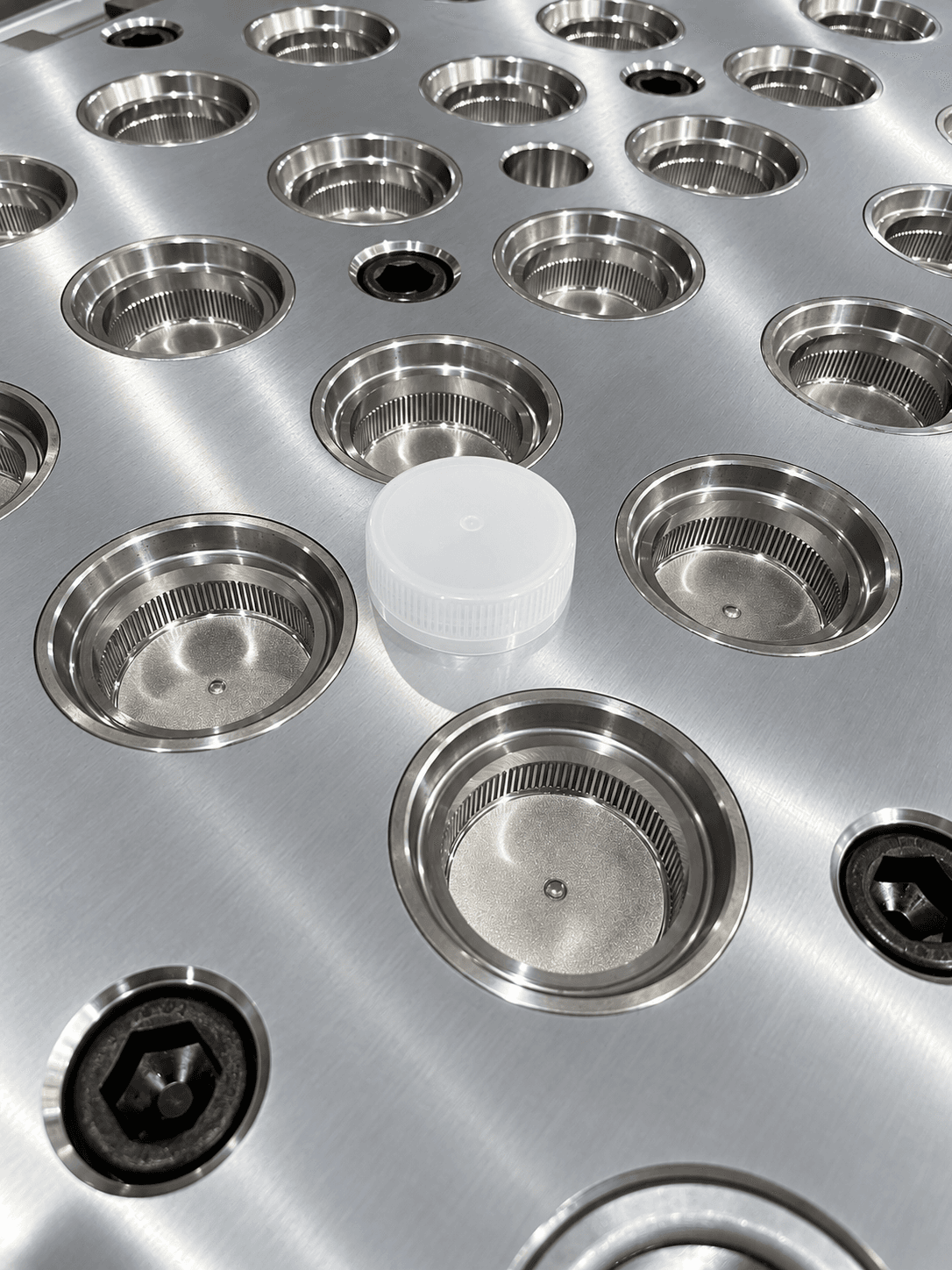
Gas burns, short shots and dull marks near the end of fill are easy to dismiss as trial-setting issues. In a multi-cavity cap mould, however, they can also reveal a cavity-specific restriction, contaminated vent, changing resin condition or an unstable process window. A good buyer acceptance plan does not prescribe universal vent dimensions. It defines the cap revision, material, observations and evidence needed to show that every active cavity runs consistently under recorded conditions.
Set the Requirement Before the Trial
Use the approved cap drawing and matching bottle-neck specification. Identify visible zones, sealing land, threads, tamper bridges, gate area and any location where a mark is unacceptable. Record resin grade, masterbatch, recycled-content rule, cavity count, machine, hot-runner settings and intended cycle window. Agree the lighting, sample conditioning and inspection responsibility before judging appearance.
| Control point | Buyer decision | FAT evidence |
|---|---|---|
| Cap revision | Functional and cosmetic zones | Approved drawing and sample ID |
| Material | Resin, colour and permitted regrind | Lot and process record |
| Cavity coverage | Every active cavity and sampling interval | Cavity map and labelled samples |
| Acceptance | What counts as a burn, short shot or surface defect | Inspection photos and log |
Review the Venting Concept as a Serviceable System
Ask where air leaves the cavity
The supplier should explain the expected flow-end locations and how air is released at the parting line, inserts or other relevant features. Ask how the design protects sealing and cosmetic surfaces, how vents are accessed for cleaning, and which inspection signs indicate that attention is needed. A statement that the mould has “sufficient venting” is not a review record.
Keep process and tooling causes separate
A dark or burnt mark can be linked to trapped air, but also to resin degradation, moisture, excessive shear, temperature, contamination or pressure history. Record the condition before changing steel. Include cavity number, cycle sequence, resin lot, barrel and hot-runner settings, injection profile, cooling condition and any machine alarm. This prevents an unverified tooling change from hiding a processing problem.
Run a Cavity-Level FAT
Stabilize the documented process first. Then retain samples from every cavity at agreed intervals, including start-up and stable production. Inspect flow-end appearance, short filling, flash, gate condition, threads, sealing surfaces, tamper features and cap mass where relevant. A mixed pile of attractive caps cannot show whether one cavity is repeatedly different.
Close corrective actions with a retest
For a repeatable issue, preserve the sample and record the cavity, observed condition, suspected source, intervention and retest result. State whether the correction changed cleaning, machine settings, material handling, vent service or tool geometry. If a condition only disappears in a narrow process window, keep that limitation visible in the FAT record rather than presenting a universal capability claim.
Carry the Evidence Into Handover
Before shipment, request the cavity map, approved trial settings, sample and inspection records, vent-cleaning guidance, maintenance access notes, hot-runner documentation and a list of open actions. At commissioning, repeat the key checks with the receiving machine, actual resin and planned take-out equipment. The factory trial provides a baseline; it does not replace final package qualification with the customer’s bottle, capping and filling conditions.
Conclusion
Cap-mould venting is a production-control topic, not just a machining detail. Drawing-led acceptance, cavity-level samples and traceable retests give buyers a better way to resolve gas burns and incomplete filling without assuming a single cause.
Frequently asked questions
Are gas burns always caused by poor venting?
No. Trapped air is one possible cause. Resin condition, temperatures, shear, contamination and injection settings must be reviewed with the cavity evidence.
Should every cavity be inspected during FAT?
Yes. Multi-cavity acceptance needs cavity identification; selected display samples cannot reveal a repeating local condition.
Can a vent be cleaned during a trial?
Only using the supplier's documented safe method and the site's safety procedure. Record the service and the retest result.
Does a successful FAT guarantee no future gas burns?
No. It documents performance for the recorded mould, material, machine and process condition. Production changes require controlled review.
Talk to a mould engineer
Request a cap venting and FAT review: Send your cap drawing, resin, cavity target, observed defect photos and injection-machine details for a practical review.
Get a Quote →