
PET Preform Moulds · 9 min read
Published: September 29, 2026
PET Preform Neck Finish Size Guide: 28mm PCO 1881, PCO 1810 and More
Use approved bottle and closure drawings to specify PET neck finishes, validate cap compatibility and avoid late tooling changes.
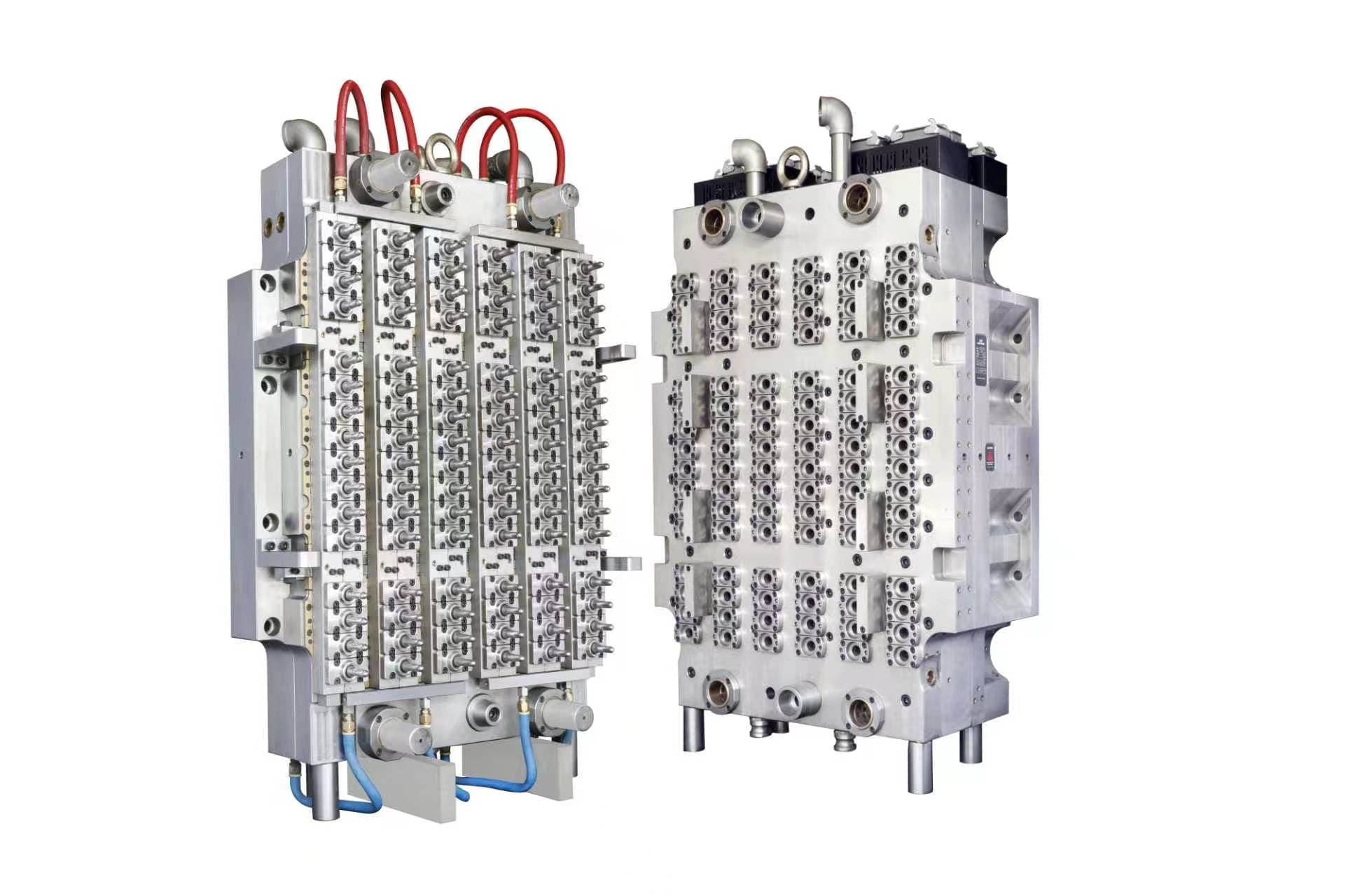
Choosing a PET preform neck finish is not a cosmetic decision. The finish connects the preform mould, bottle design, closure mould, capper, leak test and filling process. A mismatch can remain hidden until mould manufacture or line commissioning, when correction is slow and expensive.
This guide explains how packaging buyers should evaluate PET preform neck finishes, with particular attention to common 28mm PCO 1881 and PCO 1810 applications. It is a practical reference, not a substitute for the approved neck-and-closure drawings used for tooling.
What a PET Neck Finish Defines
A neck finish is the defined geometry at the top of a preform or bottle. It normally includes the thread profile, support ring, sealing land, tamper-evident interface, height, outside diameters and tolerances. It must be considered together with the matching closure rather than as an isolated bottle feature.
For a tooling RFQ, request the approved two-dimensional drawing and state the intended cap, resin, filling application and capping equipment. A verbal request for a “28mm preform” is not sufficiently precise: multiple 28mm finishes can have different thread, support-ring and cap-interface details.
28mm PCO 1881 and PCO 1810: The Practical Difference
PCO 1881 and PCO 1810 are both widely recognised 28mm beverage neck-finish families. They should never be treated as interchangeable merely because their nominal diameter is the same.
PCO 1881 is commonly associated with a shorter, lighter finish design than PCO 1810. In an established bottle-and-closure programme, this can support material reduction across a large production volume. PCO 1810 remains common in many installed systems and may be selected where existing closure, capper and filling-line compatibility govern the choice.
The correct comparison is therefore operational, not promotional:
- Does the buyer already have an approved bottle and cap design?
- Which neck finish does the capper tooling support?
- Is the neck finish validated for the intended pressure, product and filling process?
- Are the closure supplier, bottle blow-moulder and filler working to the same revision?
- Is a transition to a new finish planned, and who owns the line-validation work?
Do not use an older cap design on a new neck finish without dimensional and functional confirmation. Thread engagement, sealing compression and tamper-band performance depend on the complete interface.
Neck-Finish Dimensions That Matter Before Tooling
The design team should control the approved drawing revision. The mould maker then uses it to define neck rings, core inserts, cooling, venting and inspection references. Typical points to review are:
- nominal thread diameter and profile;
- thread start, pitch and lead;
- sealing surface geometry;
- support-ring dimensions and datum scheme;
- tamper-band retention feature;
- neck height and transfer-ring interface;
- finish weight and allowable material distribution;
- critical dimensional tolerances and measurement method.
The word “standard” does not remove the need for this review. Published families may have variants, customer-specific amendments or different drawing revisions.
Match the Finish to the Product Application
Still water, carbonated soft drinks, juices, edible oil and household products impose different demands. Carbonated beverages require a validated pressure-capable package system; hot-fill products may need different finish and material considerations; oil closures can involve pourer, tamper-band and torque requirements. The preform mould should be designed against the approved application, not a generic image of a bottle.
For every project, record the resin grade, preform weight, bottle volume, blow-moulding route, closure type, filling condition and annual output. This gives the mould maker a defensible basis for cavity proposal, hot-runner configuration and cooling layout.
Preform Mould Implications
The neck finish is formed by high-precision components. Neck rings and core details must reproduce the required geometry consistently across every cavity. In a multi-cavity tool, buyers should ask how cavity-to-cavity neck dimensions will be checked at factory testing.
Factory testing should include samples from multiple identified cavities, not only a single good sample. Review thread condition, sealing-area appearance, neck dimensions, preform weight and gate quality under documented trial conditions. If matching closures are available, a functional cap-and-neck check provides more useful evidence than visual inspection alone.
Before shipment, confirm the part numbering for neck components, the spare-parts package, water and electrical markings, preservation treatment and installation documentation. These records help the receiving team distinguish a tooling issue from a line or process issue during commissioning.
Common Errors to Avoid
Selecting by nominal diameter alone
“28mm” is a broad descriptor, not a manufacturing specification. Use the approved neck-finish drawing and closure drawing.
Reusing legacy line assumptions
An existing capper setup may be compatible with one finish but not another. Verify change parts, torque settings, inspection and leak-test assumptions before release.
Separating preform and closure decisions
Preform mould, closure mould, bottle blowing and capping are linked. The programme owner should keep one controlled revision set.
Frequently asked questions
Are PCO 1881 and PCO 1810 interchangeable?
No. Their nominal diameter does not prove identical thread, seal or equipment compatibility. Confirm the approved bottle and closure drawings and validate the complete package system.
Can a preform mould be changed from one 28mm finish to another?
It depends on the existing mould design and the required neck components. A mould maker should review the current drawings, inserts, cooling and interface details before promising a conversion.
What should be sent for a PET preform mould quotation?
Send the approved preform or bottle drawing, neck-finish revision, closure drawing, resin, preform weight, target output, cavity preference and injection-machine information.
Talk to a mould engineer
Request a neck-finish review: Send your preform, bottle and closure drawings with resin and machine details for a practical tooling-compatibility review.
Get a Quote →